REVIEW · SCUBA DIVING EXPERIENCES
Advanced Open Water Diver – Bávaro
Book on Viator →Operated by SeaKlub · Bookable on Viator
Few things teach confidence faster than water skills. This Advanced Open Water course in Bávaro builds on your open-water basics, then pushes you into tighter control tasks like navigation and buoyancy, with a max depth of 30 m / 100 ft. It’s also designed as an active 2-day training block with 5 guided open-water sessions, capped at a small group size.
What I like most is the clear progression: you’re not just going lower; you’re learning to stay safe and calm while you manage tasks underwater. I also like that the program mixes required skills with optional experiences like wreck work, peak performance buoyancy practice, and fish identification, so you get both technique and marine-life payoff. One consideration: you’ll need solid comfort at depth and in open water conditions, and the schedule can shift if weather doesn’t cooperate.
In This Review
- Quick hits
- Why Bávaro’s Advanced Open Water course makes sense
- What the 2-day schedule trains: 5 guided open-water sessions
- The mandatory deep and navigation sessions (30 m / 100 ft limit)
- Your three flexible choices: peak buoyancy, wreck work, fish ID
- Peak performance buoyancy
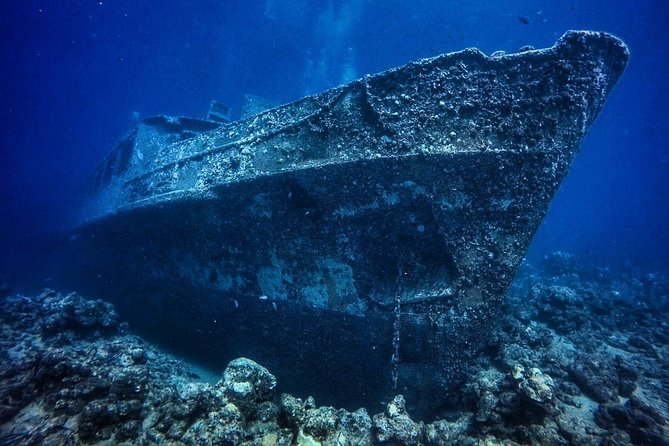
- Wreck work
- Fish identification
- Getting to the water: Bahia Principe Luxury Ambar and the Punta Cana base
- Instructor focus: small-team guidance and recognizable names
- Price and value: what $380 buys you (and what it doesn’t)
- Weather and timing: why schedules can shift
- Who this course suits best (and who should think twice)
- Should you book Advanced Open Water in Bávaro?
- FAQ
- Where does this Advanced Open Water course start?
- What time does the course begin?
- How long is the course?
- How deep can you go in this course?
- How many underwater sessions are included?
- Which sessions are mandatory?
- How many people are in the group?
- What is the price?
- What if weather is poor?
Quick hits
- Max depth of 30 m / 100 ft gives you real range without going beyond the course limit
- Small group (up to 8) means more attention and less waiting around
- 5 adventure open-water sessions, with 2 required: deep and navigation
- Optional site mix often includes peak buoyancy, wreck work, and fish identification
- Instructors you’ll likely hear names like Pedro, Lola, and Italo are known for hands-on guidance
Why Bávaro’s Advanced Open Water course makes sense
Bávaro is set up for straightforward diving training: easy access to boats, a steady flow of divers, and water conditions that often let instructors focus on skills instead of logistics chaos. This 2-day Advanced Open Water course takes you forward from your open-water foundation, with a strong emphasis on “doing things right” when conditions get busier—navigation, buoyancy control, and safe decision-making.
The big value here is that the course isn’t only about depth. It’s about what you do while you’re at that depth. In real terms, that means you learn how to manage your body position and breathing so you waste less effort, and you learn how to move through the water with a plan instead of drifting.
And because it’s based around 5 adventure open-water sessions, you’re likely to feel the training in your muscles and habits. That’s what you want at this stage: better control, better awareness, and less panic when something changes.
You can also read our reviews of more tours and experiences in Dominican Republic.



What the 2-day schedule trains: 5 guided open-water sessions
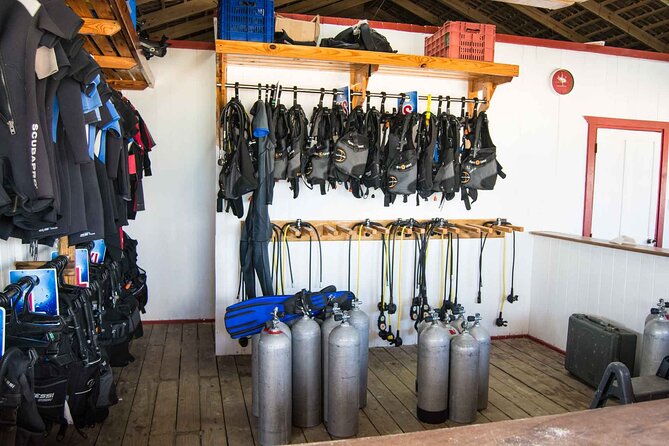
You should expect a compressed but structured format. The day starts with a 9:00 am meeting at Bahia Principe Luxury Ambar in the Punta Cana area (Carr Higüey – El Macao, Punta Cana 23000). The activity ends back at the same meeting point, so you’re not guessing about where to go next.
Over the ~2 days, the course includes 5 adventure open-water sessions. Two of them are mandatory: a deep session and a navigation session. The other three are chosen based on your convenience and where you are operating from.
Here’s how that usually plays out for your learning:
- One segment reinforces the idea that you can go deeper while staying controlled and safe.
- Another segment makes you practice finding direction and maintaining awareness instead of following landmarks only.
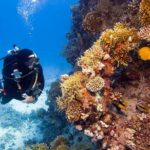
- The remaining sessions give you skill-building plus fun—buoyancy performance, wreck exploration, and marine-life identification are common picks.
The course is also capped at 30 m / 100 ft, which matters because it keeps the training focused. You’re not thrown into a random “go as deep as possible” mindset. You’re being taught within a defined ceiling, which is ideal for learning.
The mandatory deep and navigation sessions (30 m / 100 ft limit)
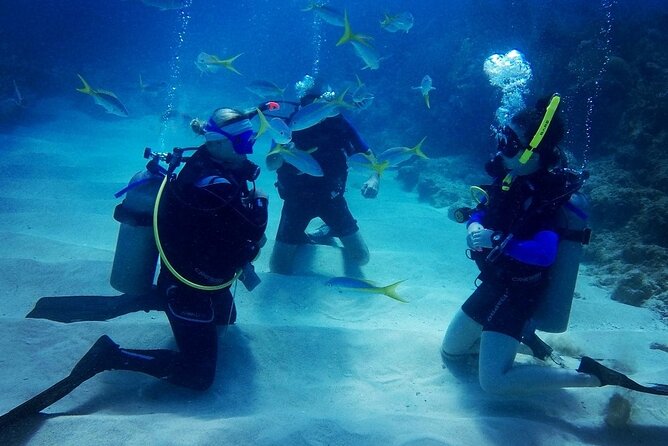
At the advanced level, depth changes everything: your task-loading rises, your buoyancy can feel less forgiving, and time starts to feel short. That’s why the deep session is required. You’re learning how to plan the descent, manage your effort, and stay on top of buoyancy so you don’t accidentally shoot up or drop down.
What you should take away is not just the depth number. It’s the habit of staying calm while you’re doing more at once. In open-water training, that’s the moment many people learn the difference between exploring and controlling.
Then comes the navigation session, also required. Navigation is a practical skill. It teaches you to keep track of your direction, maintain a steady reference, and not rely on surface cues that vanish quickly once you’re underwater. If you’ve ever felt turned around on a long swim, this is the fix. The goal is to build confidence that you can return, even when the scene looks different than the first minute you entered.
If you want a simple way to prepare mentally: plan to think like a cartographer. Watch your cues. Maintain control. Don’t rush the process.
Your three flexible choices: peak buoyancy, wreck work, fish ID
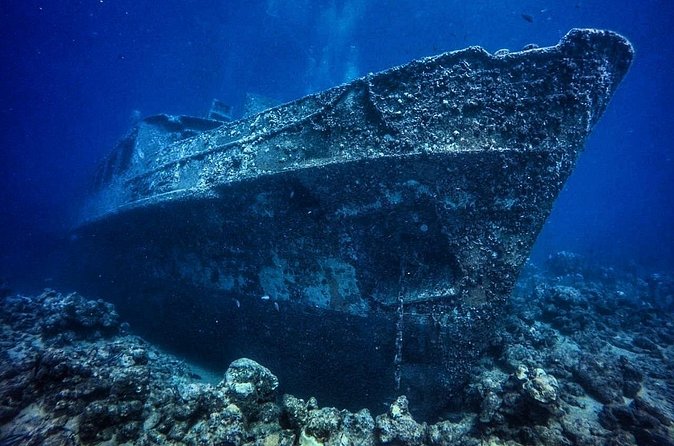
Those three extra sessions are where you can shape the course to your interests. The most common options mentioned include:
- Peak performance buoyancy (often the one people love most)
- Wreck work
- Fish identification
Peak performance buoyancy
This is the technique work that makes everything else feel easier. When buoyancy improves, you move more slowly, you contact fewer things you shouldn’t, and you can look longer without burning energy. It’s also one of the fastest ways to reduce stress. If you’re still working to hover without a constant fight, this is the session that can upgrade your whole experience.


Wreck work
Wreck sites are great because they give you structure—lines of reference, swim paths, and plenty to observe. The learning value is in controlling your position around objects without turning it into a head-first grab-and-go moment. If you like photography, wreck sessions also tend to support better framing because you can stabilize and take time.
One review highlighted a Princess Atlantic wreck session as something the diver will not forget. That’s a strong sign you’ll likely get at least one major highlight worth the trip.
Fish identification
This is the session that turns a pretty swim into an educational moment. Fish identification doesn’t have to be complicated to be satisfying; even basic naming and behavior cues can change how you see the water. Expect your instructor to point out what’s around you and help you recognize patterns.
A review also mentioned an Aquarium-type site as a favorite. That fits the fish-ID idea: lots of visibility into marine life and behavior.
Getting to the water: Bahia Principe Luxury Ambar and the Punta Cana base
Meeting at Bahia Principe Luxury Ambar (in the Punta Cana / Bávaro region) is a practical choice. You’re in a well-known resort zone, which often means things run on schedule and people can find the meeting area without too much hassle.
The start is 9:00 am, so plan for an early start and the reality that you may be waiting a bit before heading out. With a course format and small-group cap (maximum 8 travelers), that waiting doesn’t usually drag too long, but it’s still better to arrive with a calm brain than to be rushing.
Also note that the format uses a mobile ticket. If you’re the type who likes having everything offline, save the confirmation on your phone before you leave your room.
Instructor focus: small-team guidance and recognizable names
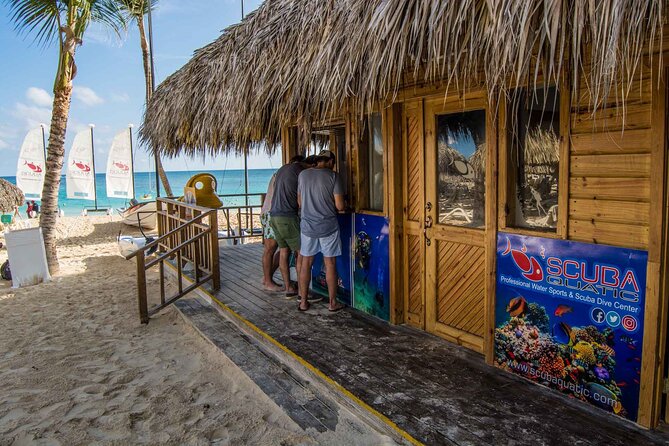
The instructor quality is one of the standout reasons this course gets strong feedback. Names that showed up repeatedly include Pedro, Pedro Marin, Lola, and Italo. More importantly than the names is the way the team is described: attentive, generous with instruction, and focused on safety and detail.
With a small group size (up to 8), that attention matters. You’re more likely to get quick corrections when you’re doing something slightly off—like drifting, kicking inefficiently, or not managing buoyancy the way you should. At the advanced level, those small fixes are the difference between a smooth session and one that feels tiring.
If you care about learning, don’t be shy about asking for feedback during surface breaks. The course’s goal is to help you gain control and make safer choices at depth, not to just watch you complete the motions.
Price and value: what $380 buys you (and what it doesn’t)
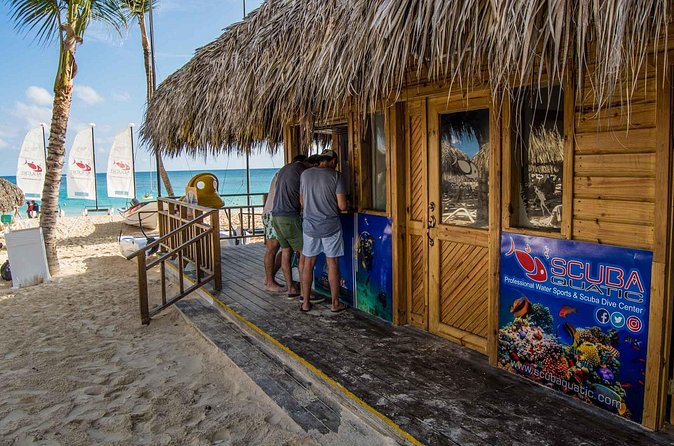
$380 per person for a 2-day advanced course may look like a lot until you break down what’s included: an advanced qualification step plus 5 guided adventure open-water sessions with two required specialty components (deep and navigation). That’s a lot of instructor time spread across two full days.
Where you get value:
- You’re paying for structured skill development, not random water time.
- You get multiple underwater sessions, not just one or two.
- The group size stays small (max 8), which typically improves the teacher-to-student ratio.
Where you might not get value:
- If you only want casual sightseeing and don’t care about buoyancy, navigation, and controlled depth work, this course is more structured than you’ll need.
- If weather shuts things down, you may have to shift dates, and that can affect your vacation rhythm.
For most people moving from open-water into the next step, this price can be a reasonable “progress upgrade” because you’re buying coaching plus focused practice.
Weather and timing: why schedules can shift
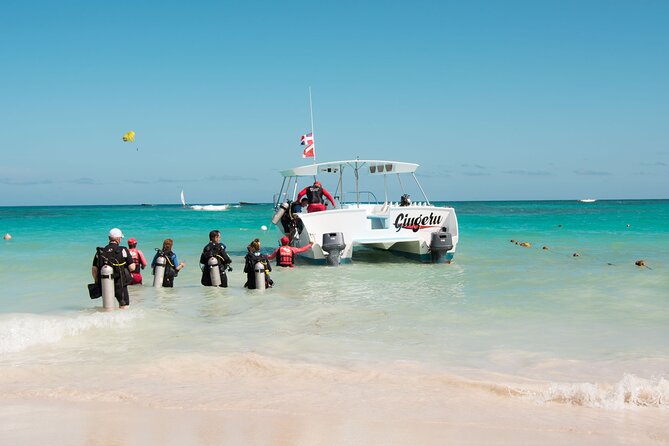
This experience requires good weather. If conditions are poor, you should expect the provider to offer a different date or a full refund. Since your course depends on multiple sessions across two days, weather isn’t a minor inconvenience—it can change how the plan fits your calendar.
Practical tip: keep at least a little flexibility in your Punta Cana days. If your schedule is locked with other tours every hour, you’ll feel the impact more if a weather change forces a move.
Who this course suits best (and who should think twice)
This is best for you if:
- You’ve already completed your open-water qualification and want the next step.
- You want to improve navigation and buoyancy, not just see more marine life.
- You’re comfortable with the idea of a 30 m / 100 ft maximum depth within a course structure.
- You enjoy wreck exploration and marine-life observation, especially if you’re curious about fish identification.
Think twice if:
- You feel uneasy with depth and need a slower, more gradual progression.
- You hate structured learning and prefer purely recreational, free-form experiences.
- Your trip is so tight that a weather-driven reschedule would seriously disrupt plans.
Should you book Advanced Open Water in Bávaro?
I’d book it if you want measurable growth: better buoyancy control, stronger navigation habits, and safer depth confidence—plus the chance to see highlights like a Princess Atlantic wreck and marine-life-rich sites. The small-group limit and the instructor names that keep showing up (Pedro, Lola, Italo, Pedro Marin) point to a teaching style that’s practical, attentive, and focused on details.
If you’re on the fence, here’s your quick decision rule: book it if you want the structured advanced skills. Skip it if your goal is mostly relaxation with no interest in practicing technique.
FAQ
Where does this Advanced Open Water course start?
It starts at Bahia Principe Luxury Ambar Carr Higüey – El Macao, Punta Cana 23000, Dominican Republic.
What time does the course begin?
The start time is 9:00 am.
How long is the course?
It runs for 2 days (approx.).
How deep can you go in this course?
The course teaches safe diving up to a maximum depth of 30 m / 100 ft.
How many underwater sessions are included?
There are 5 adventure open-water sessions total.
Which sessions are mandatory?
The deep session and the navigation session are mandatory.
How many people are in the group?
The experience has a maximum of 8 travelers.
What is the price?
The price is $380.00 per person.
What if weather is poor?
The activity requires good weather. If it’s canceled due to poor weather, you’ll be offered a different date or a full refund.