REVIEW · PUNTA CANA
Discover Dominican life
Book on Viator →Operated by Concept Tours Punta Cana - Private Day Tours · Bookable on Viator
Forget the resort bubble for coconut oil. I love the hands-on cigar rolling and tastings at Anamuya, where coconut oil, coffee, and cocoa production are part of everyday Dominican life. You also get a little genuine town energy mixed in with the stop at the factory world.
You’ll also enjoy the small group pace (up to 15 people) and the included typical Dominican lunch with drinks plus coffee or tea. The trade-off: this is a warm, active day with plenty of walking and time outdoors, so sunscreen and water matter.
In This Review
- Key highlights you should care about
- A small-group day that mixes craft factories with real town life
- Anamuya: coconut oil, coffee, cocoa, and cigar rolling
- What if you’re not into factories?
- Coffee and cocoa tastings: what to watch for during the visit
- The school visit and the donation moment: respectful expectations
- Lunch, drinks, and the Dominican meal rhythm
- Meeting time, pickup, and staying comfortable in Punta Cana heat
- Guides and language support: Jeremy, Freddy, and the team approach
- Price and value: what $115 really buys you
- Who this Dominican local life day tour is best for
- Should you book this Dominican Local Life day tour?
- FAQ
- How long is the Dominican Local Life tour in Punta Cana?
- What time does the tour start?
- Is pickup included?
- What’s included in the price?
- What happens at Anamuya?
- How big is the group?
- Is the lunch and beverages included or do I pay extra?
- What is the cancellation policy?
Key highlights you should care about
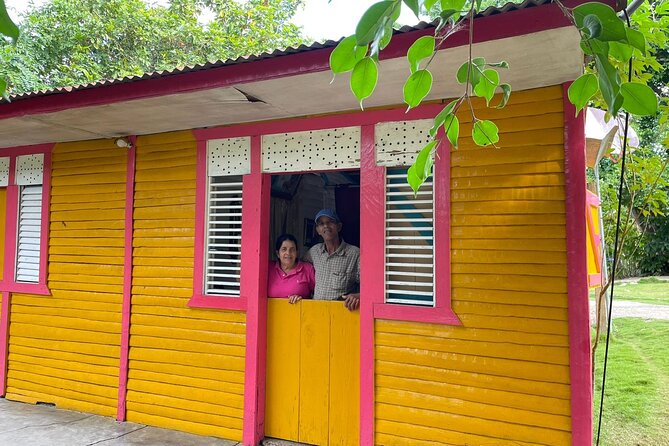
- Anamuya hands-on production: coconut oil, coffee, and cocoa made the artisanal way
- Roll-your-own cigar moment: you’re not just watching, you’re doing
- A real local meal included: typical Dominican lunch plus drinks, plus coffee/tea
- An atypical school visit with donations: you see how the community supports kids
- Small-group format: a cap of 15 travelers makes it easier to ask questions
- Guides who tell stories, not just facts: Jeremy and Freddy come up again and again in the team’s feedback
A small-group day that mixes craft factories with real town life
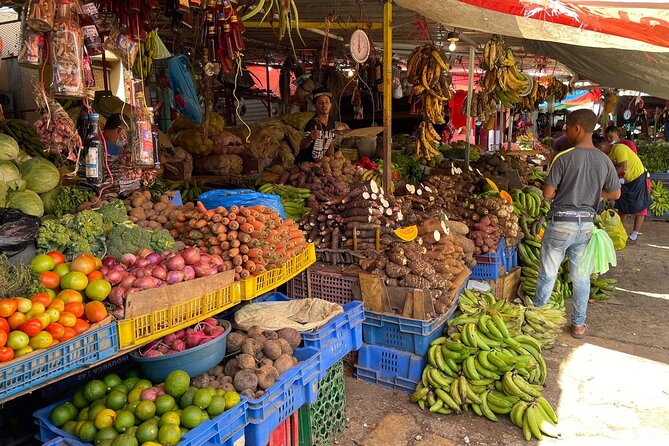
This tour is built around a simple idea: instead of only seeing Dominican culture through staged performances, you get the behind-the-scenes stuff. In Punta Cana, that matters. Resorts can be comfy, but they don’t show you how people actually make a living.
The day starts early (8:00am on the plan), and in practice you’ll likely be moving closer to 9:00am once pickup and loading are done. Expect a full 9-hour block with breaks that feel natural, not rushed. You’re traveling in an air-conditioned vehicle between stops, then stepping out for the hands-on parts.
One thing I really like here is the way the route is described: sightseeing outside the usual “tour bus loop,” plus tastings and production of local products. So even if you’re staying near the beach, you still get a taste of the inland routines that make the island feel like a living place, not a set.
You can also read our reviews of more tours and experiences in Punta Cana.

Anamuya: coconut oil, coffee, cocoa, and cigar rolling
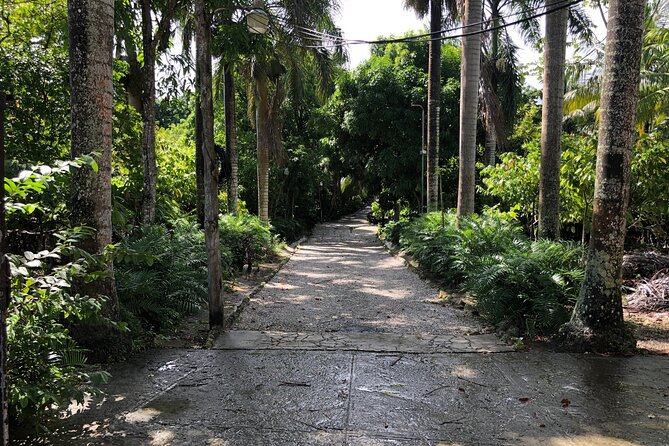
Anamuya is the centerpiece of the day, and it’s where the tour earns its keep. You’re not just visiting a shop. You’re seeing the practical process behind coconut oil, coffee, and cocoa—three products that connect directly to how many Dominican families earn money.
Here’s what you can expect at the factory/artisanal area:
- You’ll learn about coconut oil production (how it’s made and why it matters locally)
- You’ll see the coffee and cocoa side of the operation
- You’ll taste along the way
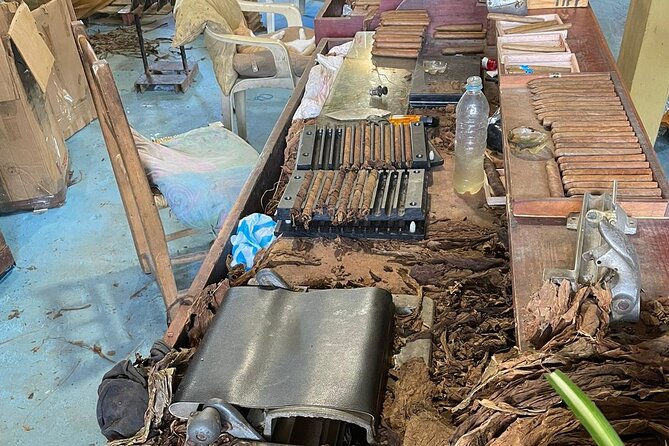
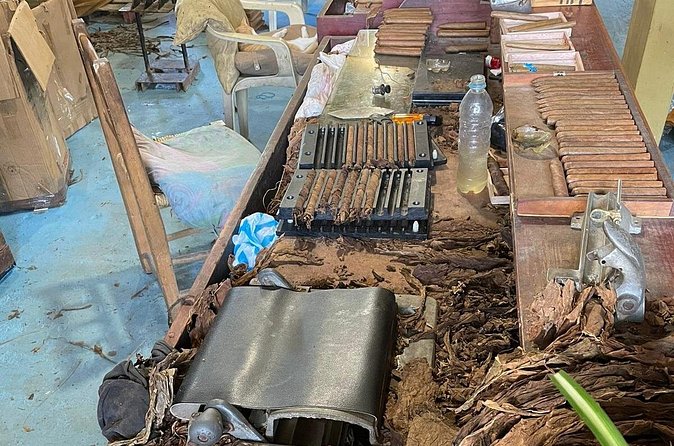
- You can roll your own cigar during the visit
That last part is a big deal. Watching someone else handle tobacco is one thing. Rolling it yourself turns the experience into a small skill you carry home, even if your first cigar looks more “creative” than perfect.
Production tours like this are also a good reality check. They help you see why those same ingredients show up in so many island products—so when you later buy souvenirs, you’re not guessing. You know what you’re tasting and what the craft is supposed to feel like.
What if you’re not into factories?
You still might have a great time, as long as you’re open to hands-on learning and tasting. The tour’s strength is that it’s practical and human-scale. Even if you skip every “photo moment,” you’ll still come away with a clearer picture of how the island turns raw ingredients into everyday goods.
Coffee and cocoa tastings: what to watch for during the visit
The tastings are part of the education here. You’ll have the chance to sample coffee and cocoa tied to the production you’re seeing, and that makes the whole stop feel less like a showroom.
When you’re tasting, I’d focus on three simple things:
- Aromas: coffee and cocoa on the island often taste different than what you buy back home
- Intensity: artisanal processing can change how bold the flavor lands
- Texture: cocoa especially can surprise you, depending on how it’s processed
Also, listen while you’re there. Guides in this program are known for weaving product facts into everyday Dominican life stories. That turns the tastings into something personal. You’ll understand not just what’s made, but why people care about it.
If you’re the type who likes to buy with confidence, this is one of the best uses of time in Punta Cana. You can ask questions, compare what you’re tasting to what you might buy later, and avoid the “buy first, wonder later” trap.
The school visit and the donation moment: respectful expectations
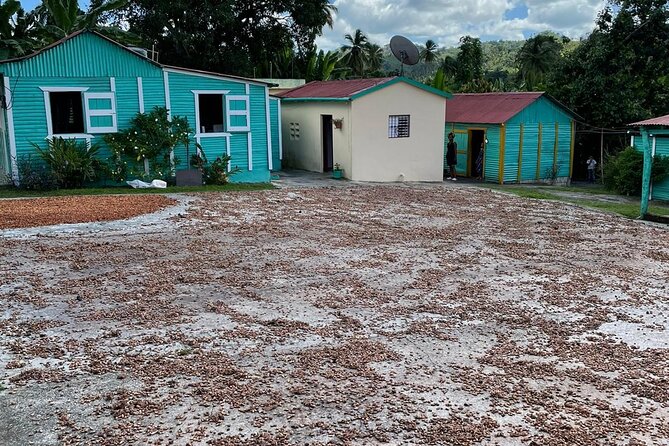
After the production stop, you’ll visit an atypical school connected to the community. The tour includes distribution of donations. That’s meaningful, but it’s also the part of the day that needs a little emotional adjustment.
I’d treat this as a “show up and be respectful” moment, not a quick photo stop. You’re there to witness a community effort. Many tours in the Caribbean can feel like they show you hardship through a tourist lens. This one is presented as part of local life and support, which is a better framing.
That said, keep your expectations balanced:
- You might see kids interacting with visitors
- The donation activity may be brief
- The visit might feel busy, since tour groups can bring extra attention
If you’re sensitive to how tourism affects children day-to-day, you’ll want to approach this calmly. The value is in recognizing the purpose, not trying to “fix” the situation in an hour.



Lunch, drinks, and the Dominican meal rhythm
Food is included here, and that’s a real quality-of-life win. You’ll get a lunch described as a typical Dominican meal, plus drinks. The tour also includes coffee and/or tea.
This matters because many Punta Cana excursions sell themselves on activities, then underdeliver on meals. Here, lunch isn’t an afterthought. It’s treated as part of the day’s pacing.
A couple practical notes:
- Plan to eat a real lunch, not a snack. You’ll likely walk enough to earn it.
- If you’re sensitive to heat, drink water early. It’s easier than playing catch-up later.
- If you’re offered traditional breakfast-type snacks, take them. One of the consistent themes in feedback is that you’ll get food to keep you going before the main meal.
Also, the day’s structure tends to favor conversation time. Shared meals and drinks usually mean your guide can explain what you’re seeing without the hard pressure of a strict clock.
Meeting time, pickup, and staying comfortable in Punta Cana heat
This is a 9-hour day that starts at 8:00am. In real-world terms, that usually means you want to be ready a little early at your pickup location. Pickup is offered, and you’ll use a mobile ticket.
Here’s the comfort math:
- You’re in an air-conditioned vehicle between stops
- Then you’re outside for production learning and local-life moments
- The day is long enough that fatigue can sneak in
One review-style theme that shows up clearly in the feedback: you’ll likely sweat. So don’t treat it like a casual stroll.
My practical checklist:
- Sunscreen (water-resistant if you have it)
- Hat or cap
- Lightweight long shirt or breathable fabric if you burn easily
- Sunglasses
- A small bottle of water or plan to drink what’s offered
If you’re arriving from a night of beach lounging, this tour can feel like a reset. You’ll get your body moving, and that’s part of why it feels like real life instead of a passive bus ride.
Guides and language support: Jeremy, Freddy, and the team approach
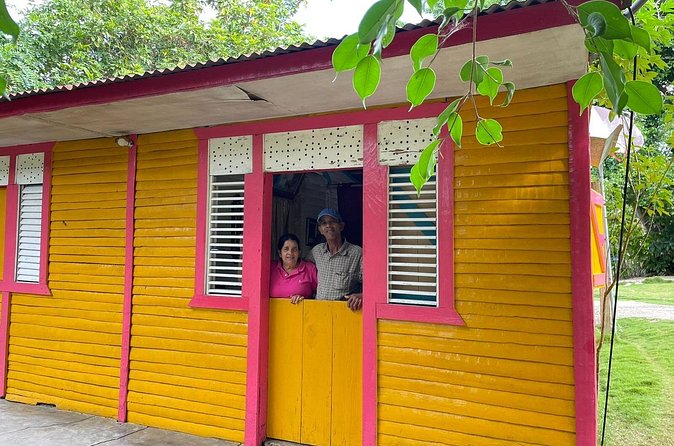
Guides are a huge part of why this tour gets glowing feedback. Names that come up again and again include Jeremy and Freddy, and the team’s style is described as friendly, organized, and story-driven.
A fun detail from the way it’s described: English support can be arranged even when the host is French-settled. In one case, an English interpreter joined so the group could understand the day clearly. So you’re not stuck with hand gestures and guesswork.
If you care about learning beyond “here it is,” you’ll like this format. The best guides explain the “why”:
- why people make these products this way
- how the community connects craft production to daily life
- what to notice during tastings and demos
Also, the small-group cap (maximum 15 travelers) helps. You’re more likely to get your questions answered without waiting your turn for the whole bus load.
Price and value: what $115 really buys you
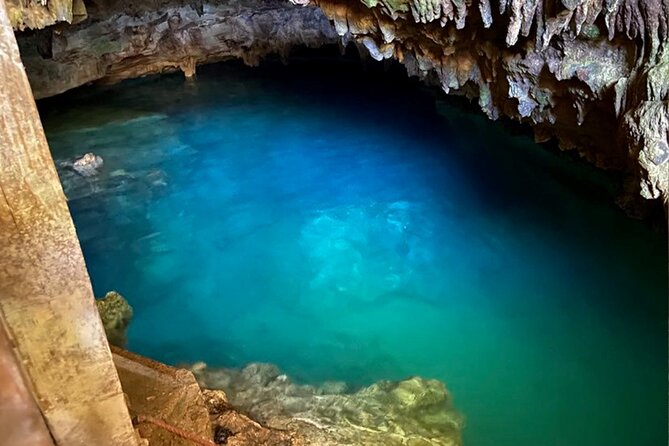
The price is listed at $115 per person, and that sounds reasonable once you look at what’s included. You’re paying for:
- Air-conditioned transport
- Pickup (so you don’t have to manage your own logistics)
- An included lunch with drinks
- Coffee and/or tea
- Production experiences at the Anamuya stop, with an admission ticket noted as free
For a full-day outing, meals and transport are often where tours start to feel expensive. Here, the math works better because you’re not buying everything separately. The hands-on cigar rolling and tastings add value beyond sightseeing because you’re getting participation, not only viewing.
That said, you should only book if you actually want the product-and-culture focus. If you’re looking only for beaches or scenic overlooks, this won’t satisfy that itch. This is about Dominican daily life through craft and community.
Who this Dominican local life day tour is best for
This tour fits best when you want more than resort entertainment. It’s a strong choice for:
- First-time visitors who want something practical and local
- People who enjoy food and tasting experiences
- Travelers who like small-group pacing instead of big crowds
- Anyone interested in artisanal products and community projects
- Families who want a structured day with included meals (as long as everyone is okay with heat and walking)
If you’re traveling with limited mobility or you’re expecting an easy, minimal-walking outing, you might want to think twice. The tour is set up as active sightseeing plus factory/community visits, so bring appropriate expectations.
Should you book this Dominican Local Life day tour?
I think you should book it if you’re aiming for a Punta Cana day that feels like real life. The combination of Anamuya production, hands-on cigar rolling, tastings, and an included Dominican lunch is a clear winner. Add the community school donation visit and you get a day with purpose, not just souvenir shopping.
You might skip it if you hate warm-weather walking or you want purely scenic, laid-back sightseeing. This is a hands-on culture day, so it asks for a bit of energy.
If you like small groups, conversation, and learning through food and craft, this one is a solid value at $115. Just pack smart for the heat, go in with a respectful attitude for the school stop, and you’ll come away with stories that feel earned.
FAQ
How long is the Dominican Local Life tour in Punta Cana?
It’s listed at about 9 hours.
What time does the tour start?
The start time is 8:00am.
Is pickup included?
Yes, pickup is offered.
What’s included in the price?
You get a typical Dominican lunch with drinks, air-conditioned transportation, and coffee and/or tea. A mobile ticket is also part of the experience.
What happens at Anamuya?
You’ll discover artisanal production of coconut oil, coffee, and cocoa, and you can also roll your own cigar during the visit. You’ll also visit a school with distribution of donations.
How big is the group?
This experience is capped at a maximum of 15 travelers.
Is the lunch and beverages included or do I pay extra?
Lunch and drinks are included, and coffee and/or tea are also included.
What is the cancellation policy?
You can cancel up to 24 hours in advance for a full refund. If you cancel less than 24 hours before the experience starts, the amount you paid won’t be refunded.