REVIEW · PUNTA CANA
From Bavaro: Santo Domingo Colonial City Tour
Book on GetYourGuide →Operated by Tours Republica · Bookable on GetYourGuide
Colonial Santo Domingo is history you can walk on. This day trip mixes underground park time with UNESCO-class streets and first-in-America landmarks. You’ll get an air-conditioned ride, a pro guide, and museum access—good value for a long day.
I especially love how the tour spotlights firsts: early Spanish colonial power, early medical care, and the first cathedral themes wrapped into one compact route. The second highlight for me is the mix of places: cave lagoons at 3 Eyes, then the bright stone-and-spanish atmosphere of the Colonial Zone, with panoramic views and major monuments.
One possible drawback: it’s a 10-hour schedule with a moderate walk, plus there’s no lunch included. If you’re picky about pacing or hate time lost to stops that aren’t your top priority, you’ll want to go in with a plan (and snacks).
In This Review
- Key things to know before you go
- From Bávaro to Santo Domingo: what this 10-hour route really feels like
- 3 Eyes National Park: caves, lagoons, and the Taino thread
- Colonial Zone UNESCO: seeing the city’s early “power and faith” in one sweep
- Cathedral, Alcázar de Colón, and the Palacio Virreinal: buildings that explain the era
- Museums and art from the 1500s onward: why this stop adds real value
- Columbus Lighthouse and the National Palace views: putting the story in one frame
- Price and value: is $85 fair for what you get?
- Who this tour suits best (and who should choose something else)
- Tips to make it smoother: heat, walking, and smart expectations
- Should you book the Santo Domingo Colonial City Tour from Bávaro?
- FAQ
- How long is the Santo Domingo Colonial City Tour from Bávaro?
- What is the price per person?
- Do I get hotel pickup and drop-off?
- What’s included in the tour price?
- Is lunch included?
- What language options are available for the guide?
- What should I bring, and what’s not allowed?
Key things to know before you go
- A big “firsts” day: You’ll connect early Spanish settlement power, religious sites, and government landmarks in one flow.
- 3 Eyes Park is not just scenery: Underground caves and lagoons link the natural site to Taino history.
- UNESCO Colonial Zone focus: You get the core streets and monuments that make the area famous.
- Museums bring the art angle: Expect medieval and Renaissance-style works from the 1500s onward in city museums.
- Columbus Lighthouse is a centerpiece: The monument ties the story together with Christopher Columbus and his remains.
- Bring heat-proof comfort: Comfortable shoes, sun protection, and water-sensible timing matter more than you think.
From Bávaro to Santo Domingo: what this 10-hour route really feels like
This is a full-day ride built around one idea: Santo Domingo’s story is strongest when you see it in layers, not in bullet points. You start with hotel pickup in Bávaro, then roll toward Distrito Nacional and the Colonial Zone with a professional guide talking through the European colonization timeline. The bus is air-conditioned, which is a lifesaver when the outside heat is doing its thing.
You’re getting more than “pretty buildings.” The tour is structured to make the past feel logical: first settlement-era power and religion, then the art housed in city museums, then major monuments like the Columbus Lighthouse. That order matters because it helps you connect why people built what they built, and how the city’s role shifted across centuries.
The main thing to watch is energy management. The tour includes a moderate walking component, and it runs long enough that you’ll want comfy shoes and a clear expectation that you won’t be lounging for hours. If you keep moving, listen to your guide, and take short breaks when you can, it becomes a smooth day instead of a marathon.
You can also read our reviews of more city tours in Punta Cana

3 Eyes National Park: caves, lagoons, and the Taino thread
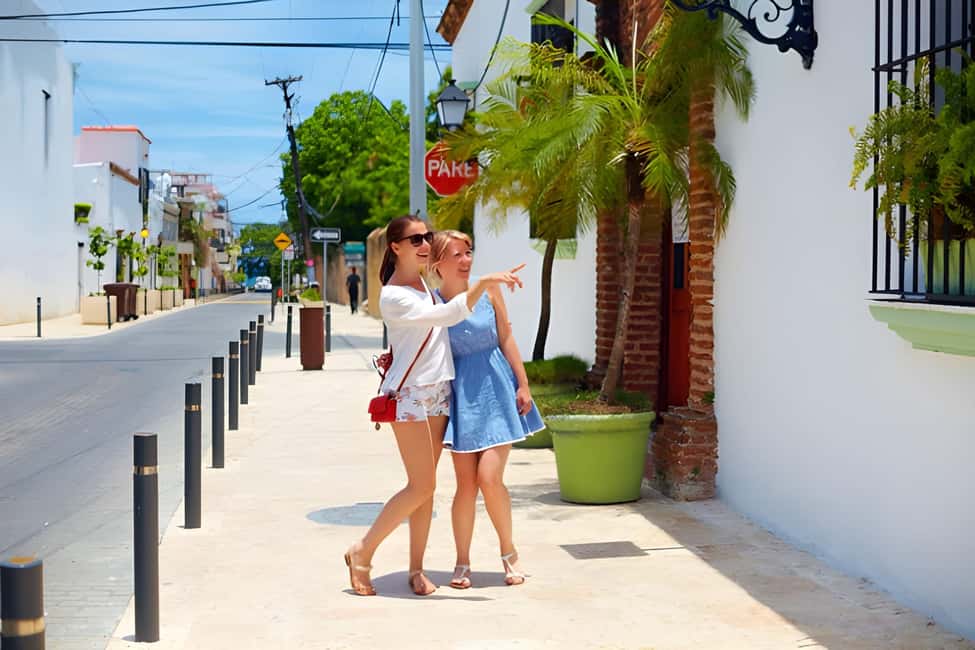
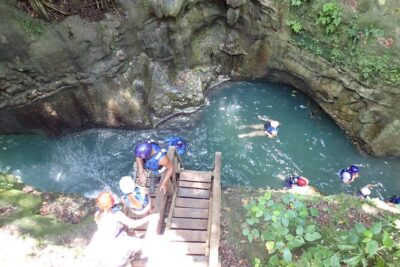
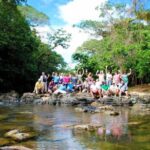
If you want one stop that breaks up the colonial-city vibe, it’s 3 Eyes National Park. The experience isn’t just a “look at rocks” moment. You’ll head to a complex of underground caves and lagoons that were initially inhabited by the Taino Indians. That detail gives the site more meaning than a standard nature visit.
From a practical standpoint, expect cooler air in the cave areas compared to the street, but still plan for walking on uneven ground. The tour format means you’ll have time to see the highlights without spending the whole day in transit to a remote site. It’s the right kind of “change of scenery” for a history-heavy day.
Historically, this park stop is a helpful reminder that the European story wasn’t the first chapter in the region. The guide’s recounting—built into the tour style—helps you keep that connection in mind as you move from caves back into the urban Spanish-era landmarks later.
Colonial Zone UNESCO: seeing the city’s early “power and faith” in one sweep
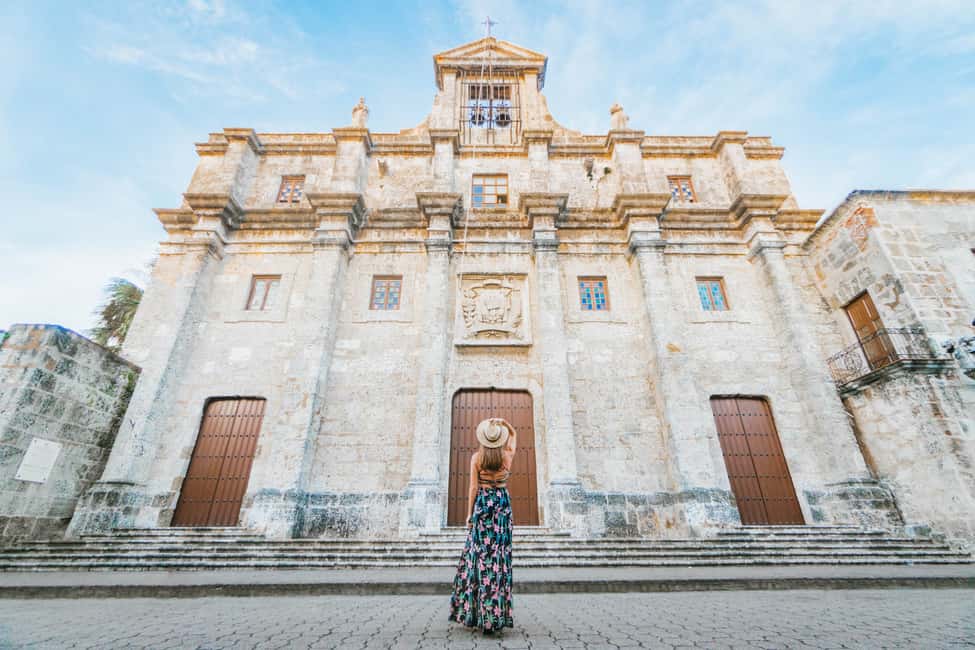
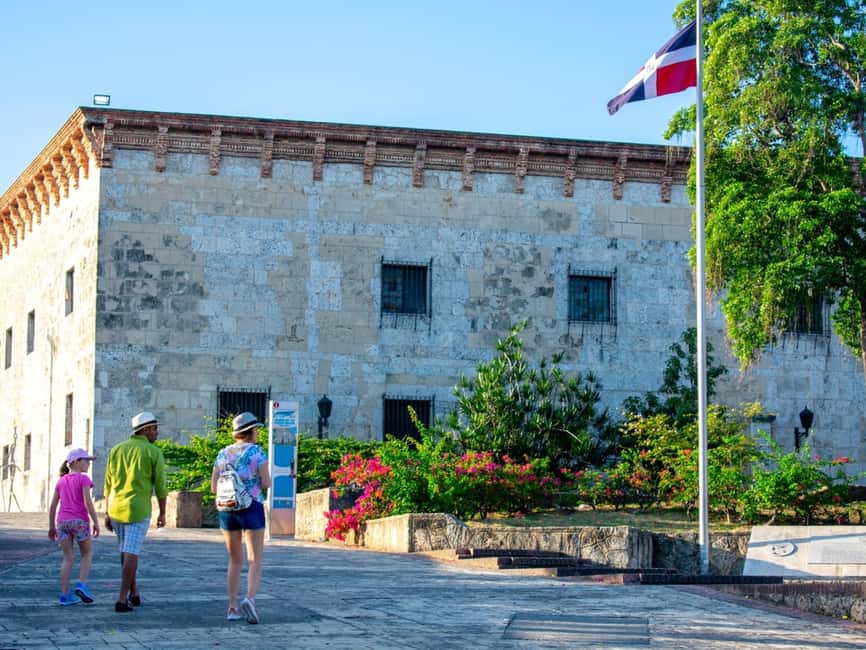
Once you enter the Colonial Zone, you’re in the oldest permanent European settlement in America. The area was declared a World Heritage Site by UNESCO, and the tour uses that UNESCO label in a practical way: it focuses on the places that help you understand how Santo Domingo became an administrative and religious center.
You’ll see several emblematic ideas of early colonial life, including the first headquarters of the Spanish colonial government in America. You’ll also see references to the first hospital and the first cathedral within the same overall storyline. Even when you’re standing in front of specific buildings, the guide’s job is to connect the dots: who had authority, where people went for worship, and how the city’s institutions took root.
A few stops are especially worth your attention:
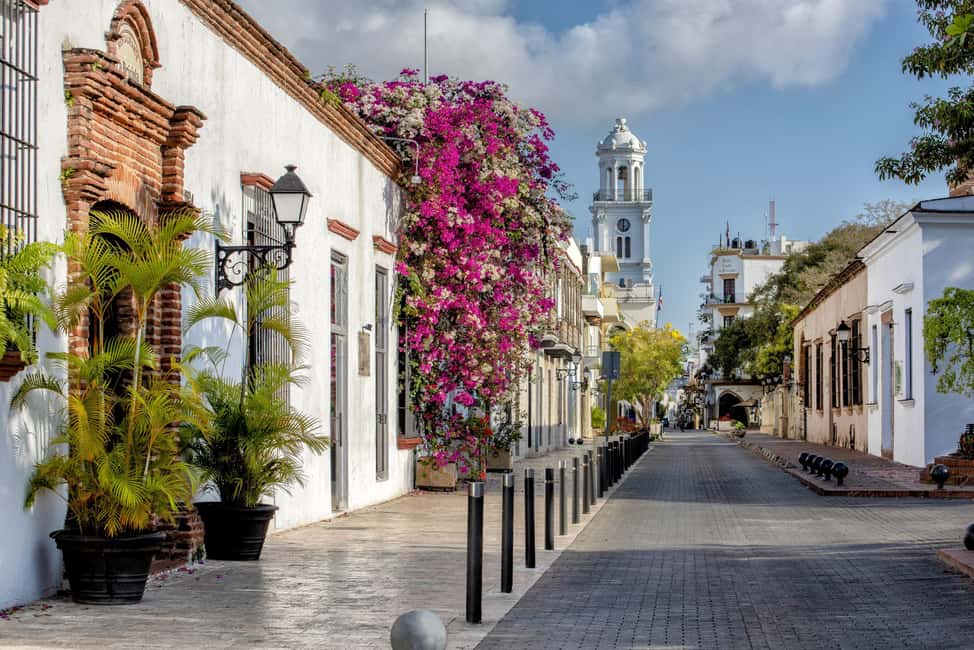
- La Calle Las Damas: often described as the first street on the island. It’s the kind of place where you don’t need big crowds to feel the age—you just need to stand still for a minute and look down the line of the street.
- Panoramic viewpoints: the tour includes scenic stops that help you understand how the city sits in relation to the rest of Santo Domingo.
- The “first cathedral” theme: even if details depend on what’s being emphasized at your moment on-site, the tour aims squarely at the religious center of gravity.
The Colonial Zone is also a walking world, so the moderate-walk warning isn’t fluff. You’ll enjoy it more if you think of this as a slow stroll punctuated by key moments, not a sprint through photos.
Cathedral, Alcázar de Colón, and the Palacio Virreinal: buildings that explain the era
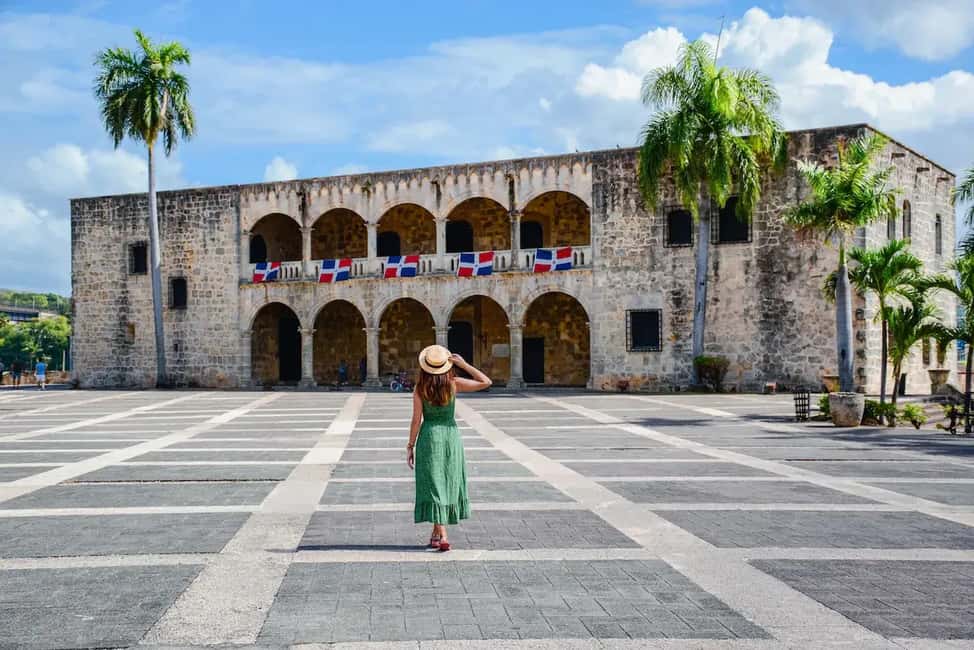
Three landmarks help you grasp why this area mattered: the first Cathedral of America, Alcázar de Colón, and the Palacio Virreinal de Don Diego (also called the Palacio Virreinal de Don Diego in the tour description). These are not random stops. They’re anchors for the colonial narrative the guide is building all day.
The cathedral stop is where the tour’s “faith and authority” theme gets visual. It’s also where you can slow down and see the architecture as an argument: stone designed to last, religious space designed to shape community life.
Then there’s Alcázar de Colón. The name alone signals something important, and the tour treats it as one of the must-see historic structures. This is where you shift from understanding institutions in theory to seeing how residences and political status were expressed in built form.
Finally, the Palacio Virreinal helps you understand how power continued to evolve after the first wave. If you like history that has continuity—how a place changes without disappearing—this pairing of cathedral, alcázar, and palace is a strong one-two punch.
Museums and art from the 1500s onward: why this stop adds real value
The tour doesn’t only do streets and monuments. It also includes museums where you can see medieval and Renaissance-style art from the 16th century and beyond. That matters because so many colonial tours teach you names and dates. This one gives you something you can look at with your eyes: art that carried meaning in its own time.
If you’re the type who likes to understand history through culture—how people expressed power, faith, and worldview through paintings or objects—this museum component is the best part of the “indoor break” in a day that’s otherwise outdoors.
A practical note: museum time is only as good as your attention span that day. If you come in already tired, you might miss what makes the art interesting. If you’re doing this tour as your main history activity in the city, you’ll likely appreciate the museum stops more because you’ll have the context from earlier sights.


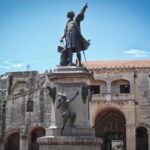



Columbus Lighthouse and the National Palace views: putting the story in one frame
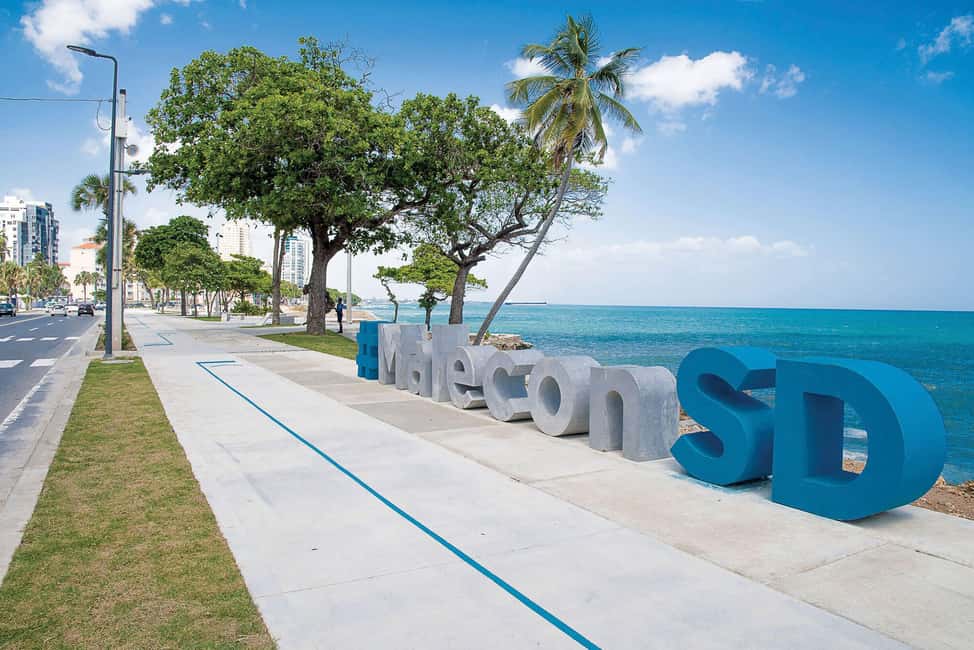
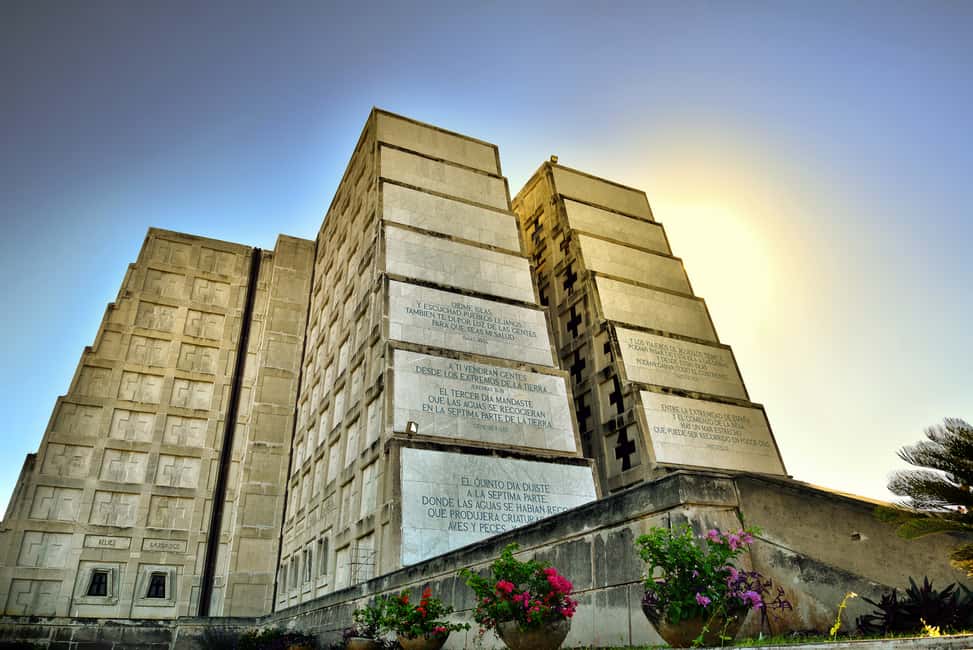
At some point, Santo Domingo’s colonial story becomes impossible to separate from Christopher Columbus. The tour includes Columbus Lighthouse, a monument built in memory of Columbus where his remains rest. This isn’t just a photo stop. It’s a symbolic endpoint in the day’s narrative, and the guide’s explanation helps you understand why this lighthouse matters to the city’s identity.
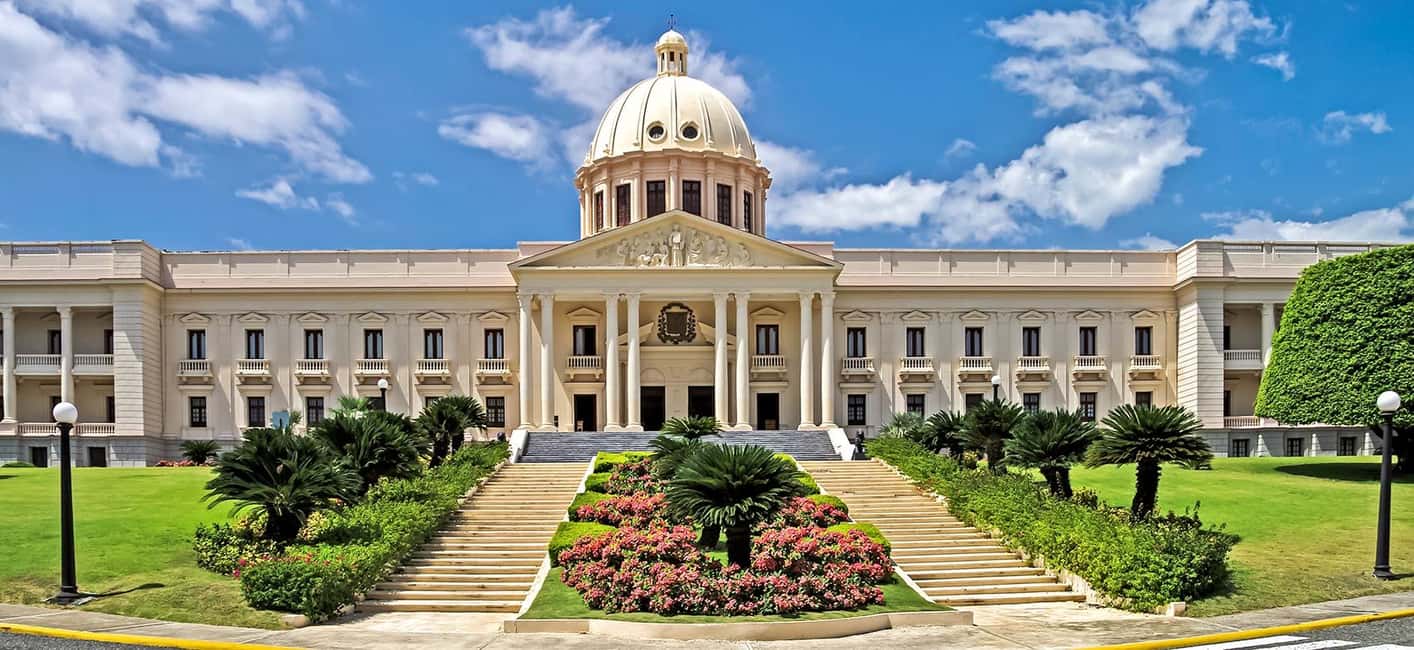
The tour also includes panoramic visits to the National Palace. Even if you don’t go inside, panoramic viewing time helps you get bearings: you see the scale of the city and how the old core relates to current power centers.
Together, Columbus Lighthouse and the National Palace viewpoint give you a satisfying “big frame” after hours of smaller, detailed stops. It turns the day from a checklist into a story you can picture at home.
Price and value: is $85 fair for what you get?
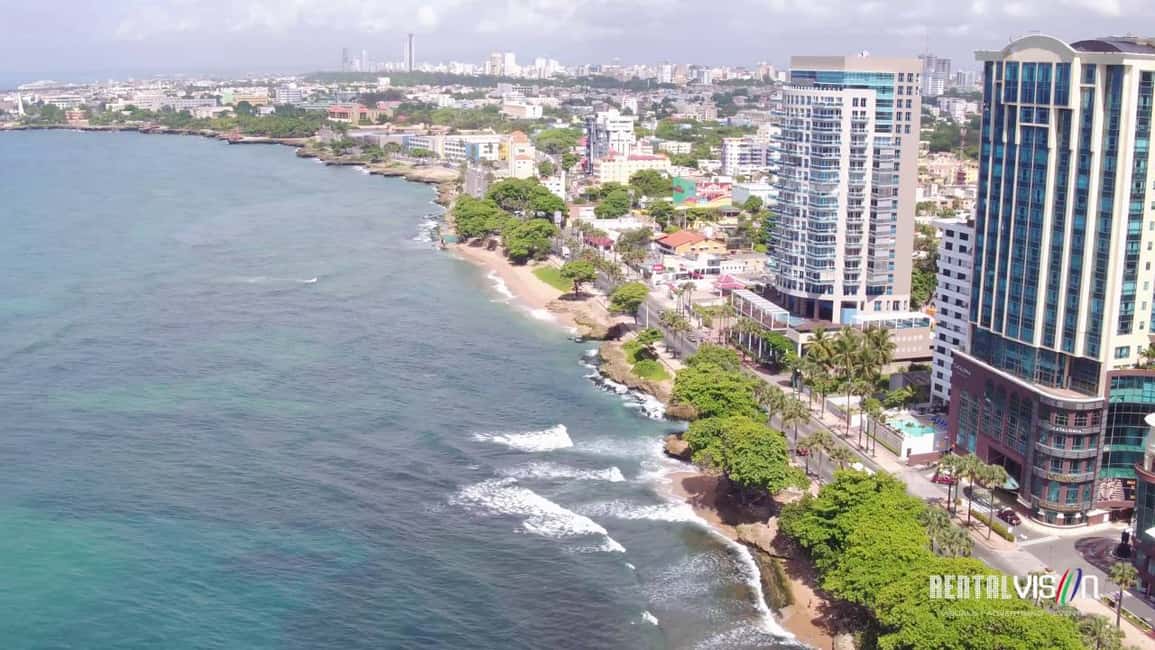
At $85 per person, this tour sits in a mid-range zone for a full-day guided experience. Here’s what you’re actually buying:
- Hotel pickup and drop-off in Bávaro
- Museum entrance fees
- A professional guide in your chosen language
- Air-conditioned bus transportation
- Access to key major sights, including 3 Eyes National Park and the Colonial Zone anchors
For value, the big question is whether entrance fees and guide time would cost you more if you did it alone. Museum entrance fees can add up fast, and on a day like this, logistics are half the battle. By bundling transport, guide interpretation, and entrance fees, the tour reduces the time you’d spend figuring out timing and routing.
Where value can dip is when your personal priorities don’t match the day’s flow. There’s also no lunch included, so you may need to budget for food you can eat quickly without derailing the schedule. If you do that planning, the $85 tends to feel fair for the amount of ground you cover.
Who this tour suits best (and who should choose something else)
This is a good fit for you if:
- You want a guided, history-focused day with context, not just monuments
- You like mixing architecture, museums, and major landmarks in one sweep
- You’re okay with a moderate walk and want a structured experience rather than DIY planning
You may want to consider another option if:
- You strongly dislike long days with tight scheduling
- You hate gift-shop-style stops that can eat into photo time
- You’re traveling with limited patience for waits (especially if you need very predictable pacing)
The tour can be excellent when the guide keeps the group moving and explains the story in a way that clicks. In one example of strong guide performance, a guide named Alberto was described as highly prepared, friendly, and able to keep the group engaged across languages, which is exactly the kind of guide you hope for on a day like this.
Tips to make it smoother: heat, walking, and smart expectations
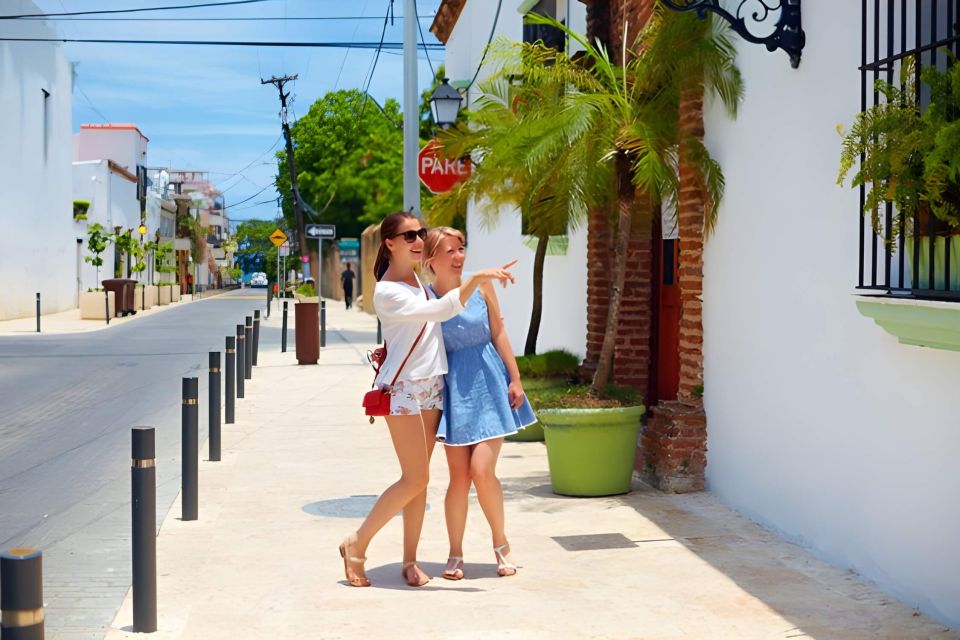
You’ll enjoy the day more if you pack for comfort, not for style. Bring comfortable shoes, sunglasses, a sun hat, and sunscreen. The tour description also flags moderate walking, which you can treat as a friendly warning: wear footwear that can handle uneven surfaces and stop-start strolling.
Also plan for the fact that lunch isn’t included. You don’t need a full feast—just don’t let hunger turn into crankiness. If you need a quick snack strategy, think in terms of small, easy-to-manage items you can handle during transitions.
Finally, keep luggage expectations simple. Pets aren’t allowed, and oversize luggage won’t fit the touring style. If you’re bringing a large bag, expect it to be more of a burden than a convenience.
Should you book the Santo Domingo Colonial City Tour from Bávaro?
Book it if you want a guided day that hits the must-see colonial core, includes museum time, and adds a memorable nature/history contrast with 3 Eyes National Park. The value case is strongest because it includes museum entry fees and a guide, and it saves you from piecing together transport and scheduling on your own.
Don’t book it if you need a slow, flexible day or you want lots of free time to wander without structure. Also, if you’re highly sensitive to time spent in optional stops, go in ready to prioritize your own photo and sightseeing moments early in the day.
If your goal is to understand Santo Domingo beyond postcards—how early colonial institutions, religion, art, and Columbus symbolism all connect—this tour is a solid choice.
FAQ
How long is the Santo Domingo Colonial City Tour from Bávaro?
The tour runs for 10 hours.
What is the price per person?
The price is $85 per person.
Do I get hotel pickup and drop-off?
Yes. Hotel pickup and drop-off are included, with pickup at your hotel lobby in Bávaro.
What’s included in the tour price?
Included are hotel pickup/drop-off, museum entrance fees, and a professional guide in your chosen language.
Is lunch included?
No. Lunch is not included.
What language options are available for the guide?
The tour offers live guidance in Spanish, English, French, German, Italian, Portuguese, and Russian.
What should I bring, and what’s not allowed?
Bring comfortable shoes, sunglasses, a sun hat, and sunscreen. Pets and oversize luggage aren’t allowed, and the day includes a moderate walk.