REVIEW · PUNTA CANA
Golf Cart Eco Tour Half Day Tour
Book on Viator →Operated by Wild On · Bookable on Viator
When you want nature without a full day, this works. This Punta Cana eco tour strings together electric golf carts with real wildlife time and lagoon swims. I especially like the stop at the Indigenous Eyes Ecological Reserve with its freshwater lagoons, and the chance to see rhinoceros iguanas up close. The main catch: expect some walking in the sun—about 10 minutes to reach the lagoon area—so you’ll want comfortable heat-friendly shoes.
You’re paying $90, but you’re not just buying a ride. You get hotel pickup and drop-off, snacks, soft drinks, admission for the reserve portion, and a licensed guide in English/Spanish/French. It’s a smart half-day option if you want more than beach time, but you should plan for no lunch included.
What I think makes the tour feel worth it is the mix: sanctuary visit, orchard tasting, beach-area scenery, and then that jungle-spring swim. It’s also capped at 18 people, which usually means a less frantic pace than bigger group tours.
In This Review
- Key highlights worth clocking before you go
- Electric golf cart eco tour: what a 3-hour day really means
- Indigenous Eyes Ecological Reserve: 1,500 acres and 12 freshwater eyes
- Iguanario stop: seeing rhinoceros iguanas in a real sanctuary setting
- Organic orchard and fruit garden: tastings that connect to the ecology
- Playa Escondida and old resort history: coast views with a different vibe
- Inrinri lagoon swim: that jungle-spring refresh
- Price and value: is $90 a smart buy in Punta Cana?
- Who this golf cart eco tour fits best (and who should adjust)
- Practical tips so you enjoy every stop
- Should you book this Punta Cana golf cart eco tour?
- FAQ
- How long is the Golf Cart Eco Tour (Half Day)?
- Do they pick you up from your hotel?
- What’s included in the price?
- Is lunch included?
- Are there any swimming stops?
- What if the weather is bad or I need to cancel?
Key highlights worth clocking before you go
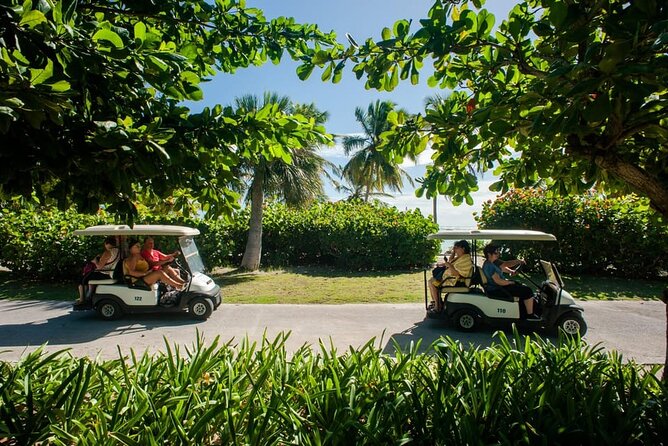
- Indigenous Eyes Reserve: protected area covering 1,500 acres with 12 freshwater lagoons called eyes
- Electric golf cart pacing: fun drives between stops, but not constant cart time
- Iguanario encounter: a sanctuary for rhinoceros iguanas native to the Dominican Republic
- Orchard and fruit garden tastings: fresh, local flavors as part of the eco message
- Inrinri lagoon swim: a refreshing stop at a spring inside the jungle
- Small-group feel: maximum 18 travelers with a licensed multilingual guide
Electric golf cart eco tour: what a 3-hour day really means
This is listed as about 3 hours, and that’s the right expectation: it’s enough time to see several ecosystems, but not enough for a relaxed all-day wander. Hotel pickup happens roughly 45 minutes before the tour start, so plan for an early start in your schedule.
The group size cap is 18 travelers, which matters more than people think. Smaller groups tend to mean less waiting at each stop and better chances to ask questions while you’re there.
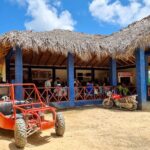
You’ll ride in electric golf carts between experiences, with breaks where you’ll get out and move around. Bring a swimsuit-ready attitude, but also expect that the time on foot is part of the deal.
What’s included is genuinely practical: hotel pickup and return, soft drinks, snacks, and a licensed guide in English, Spanish, and French. Admission is included for the reserve portion, which helps keep the final cost from creeping up.
You can also read our reviews of more tours and experiences in Punta Cana.



Indigenous Eyes Ecological Reserve: 1,500 acres and 12 freshwater eyes
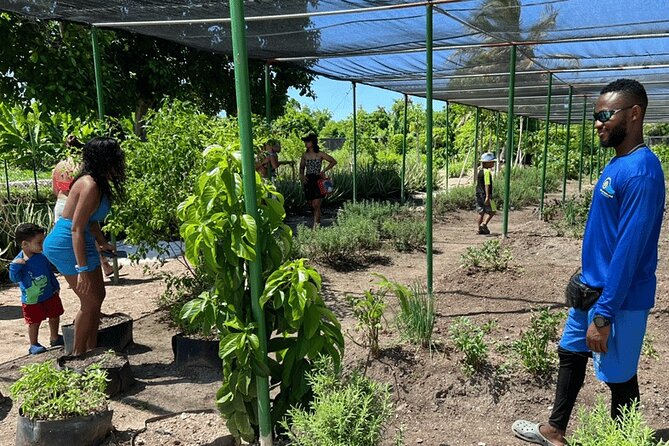
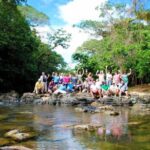
Your first real nature hit is the Indigenous Eyes Ecological Reserve with 12 crystal-clear freshwater lagoons (the local name is eyes). The reserve is protected and spread across 1,500 acres, so even with a short tour window you’re still getting a meaningful chunk of Punta Cana’s freshwater jungle system.
Expect trails and native flora and fauna around you, plus time to experience the lagoons. This is the sort of place where the water looks clean enough that it changes how you picture the area, especially if you’ve been thinking only about beaches.
Here’s the practical consideration: there is walking involved to reach the lagoon area—about 10 minutes comes up as a real-world factor, and the heat can make that feel longer. If mobility is limited, there is sometimes a smaller lagoon option described for guests who can’t comfortably do the walk. Don’t assume it will work for every person, though—talk to your guide when you arrive so you’re not stuck trying to push through.
Also, since lagoon time is part of the value, treat this stop as your swimsuit moment. You’ll be glad you brought sunscreen and something you can rinse off in after.
Iguanario stop: seeing rhinoceros iguanas in a real sanctuary setting
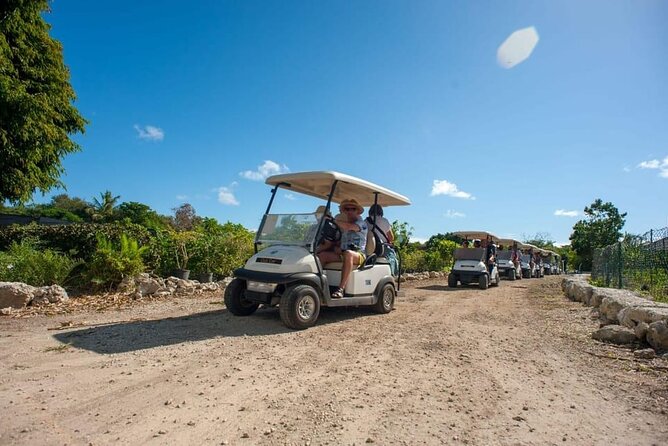
Next you’ll visit the Iguanario, described as a sanctuary for rhinoceros iguanas—a species native to the Dominican Republic. This isn’t just a quick photo stop. The whole point is to see the animals in a setting meant for protection and care.
I like sanctuary-style experiences because they usually come with clearer education than a random roadside animal encounter. You’re more likely to come away understanding why the place exists and what makes the species special.
The downside? Wildlife viewing typically has a slower rhythm than you might expect. Sometimes the best sightings happen when you’re patient rather than rushing for the next photo. If you tend to get antsy, give yourself permission to slow down for this part.
If you’re traveling with kids or anyone who’s into animals, this stop is one of the most memorable pieces of the tour. It also pairs well with the rest of the eco theme—freshwater lagoons, native environments, and the human role in conserving them.
Organic orchard and fruit garden: tastings that connect to the ecology
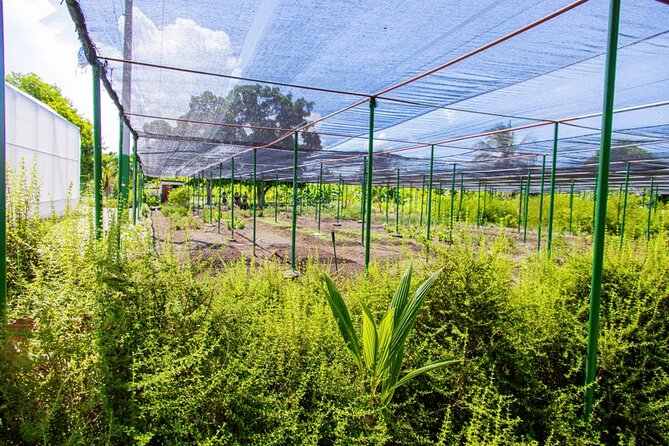
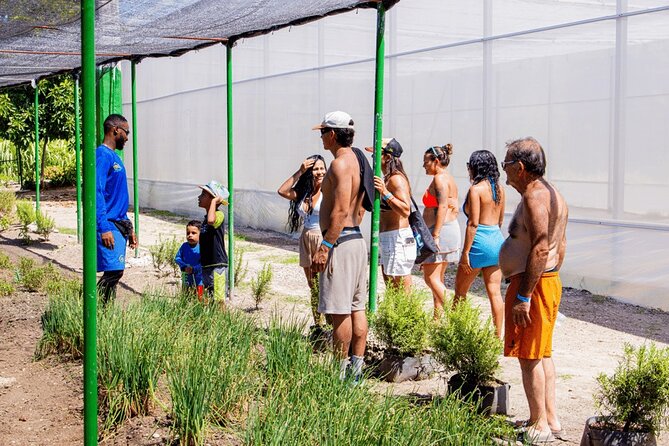
After the iguana sanctuary, the route takes you into an organic orchard and fruit garden experience. This is where the tour shifts from wildlife to food and ecosystems—how fruit grows, what “organic/ecological” looks like on the ground, and how taste can be part of conservation awareness.
You’ll have the chance to sample the freshness and flavor of local produce. I find these tastings work best when you treat them like a guided introduction, not a buffet. Ask questions about what you’re trying and when it’s harvested (even if only in general terms), because that turns the flavor into understanding.
One detail that stands out from on-the-ground experiences is learning about bees and a honey tasting. That fits the orchard theme perfectly—pollination is the quiet engine behind fruit gardens. It’s the kind of add-on that makes the eco message feel less like marketing and more like a real connection.
Potential drawback: if you’re expecting a huge variety of fruit, you may feel like this is a short tasting moment rather than a long market-style experience. Still, it’s a meaningful break from the sun and a way to take a local flavor memory home (even if you don’t buy anything).
Playa Escondida and old resort history: coast views with a different vibe

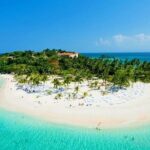
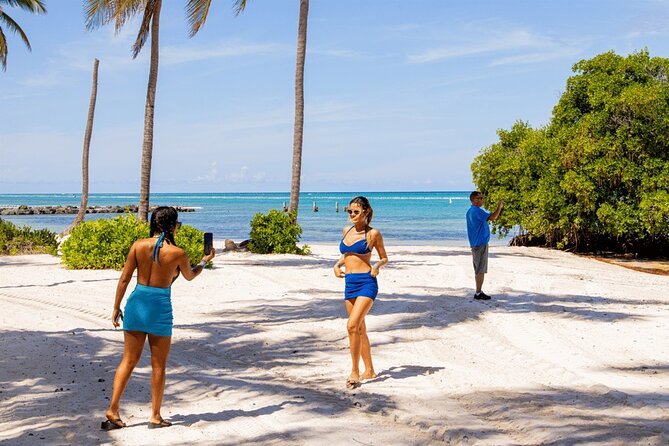
Then you head toward Playa Escondida, described as a paradisiacal environment where older facilities of the historic Hotel Beach Resort and Club Punta Cana are located. You’re not there for a lecture on architecture, but the setting gives you that classic Caribbean coast scenery with a sense of place.
What I like about this stop is the variety. After lagoons and garden tastings, you get open air, sea views, and a change in pace—without sacrificing the eco tour theme.
Also, because the old resort facilities are part of the scenery, this can be a good moment for casual photos. Just keep it respectful of the environment and people around you.
The practical catch: beach stops can be deceptively tiring under strong sun. Plan to take shade when it’s offered, or bring your own sun protection. If you’re the type who gets heat-wobbly, this is when you’ll want to pace yourself and sip water from your soft drinks.


Inrinri lagoon swim: that jungle-spring refresh
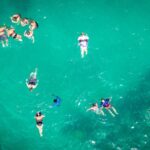
The final act is the Inrinri lagoon, described as a spring within the jungle of Punta Cana, located in the Los Ojos area. This is where the tour earns its keep: you get a refreshing swim experience that feels connected to the natural environment rather than a man-made pool.
Swim time is also why this tour makes sense for a half-day. It’s not a full-day trek, yet it still includes a true aquatic highlight. You’ll likely remember this stop long after the golf cart drives blend together.
Like the reserve lagoons earlier, swimming here depends on practical comfort: time, walking from the cart, and how you handle heat and slippery surfaces. I’d strongly suggest you wear shoes with grip if you’re prone to slips on wet paths. And yes—bring or wear something that dries quickly afterward.
If you’re sensitive to cold water, remember this is described as a spring in a lagoon system. Spring-fed water can feel cooler than the air, especially with a breeze through the trees.
Price and value: is $90 a smart buy in Punta Cana?
At $90 per person, this tour is priced like a curated eco outing rather than a casual neighborhood activity. The good news is that multiple cost items are built in, which protects your budget.
Here’s what you get for the price:
- Hotel pickup and return
- Soft drinks and snacks
- Licensed guide in English, Spanish, and French
- Admission included for the reserve portion
- Access to multiple nature experiences, including lagoon swim time
What you’ll pay extra for:
- Photos and videos via a package (listed at $40 USD)
- Lunch (not included)
- Tips for guides (not included)
- Personal expenses and souvenirs
For me, the value calculation comes down to this: if you’d otherwise pay separately for entry fees, guided time, and a swimming stop, the $90 starts to look reasonable. If you’re planning to only dip your toe into nature and you hate walking, it may feel steep for what turns out to be a short walking-and-swim loop plus scenic cart drives.
So the decision rule is simple: you’ll like it most if you’re comfortable with short walks in warm weather and you want an eco-focused day with guided context.
Who this golf cart eco tour fits best (and who should adjust)
This is designed so most travelers can participate, but it’s not a wheelchair-free itinerary based on the walking time you may face. The walking mentioned—around 10 minutes to reach the lagoon area—can be a deal-breaker for some guests, especially with heat.
If you can handle short, sun-exposed walks, you’ll get a lot in a compact time window. If mobility is limited, don’t just hope for the best—plan to talk to the guide at the start and confirm whether a smaller lagoon option can work for you.
This tour is ideal for:
- Nature lovers who want lagoons and native wildlife without a long, exhausting day
- Travelers who like guided explanations (the guide is multilingual)
- People looking for a different Punta Cana experience than another beach lounge session
- Couples and small groups who appreciate the maximum 18-person limit
This tour may be less ideal for:
- Anyone who needs minimal walking and can’t comfortably do short distances in heat
- People who dislike swims or aren’t prepared for water time
Practical tips so you enjoy every stop
A few details can make the day smoother:
- Arrive ready for pickup timing. You’ll be collected about 45 minutes before the start, so you don’t get rushed.
- Wear comfortable, grippy shoes. Even when you’re in a golf cart, you’ll walk short stretches to lagoon areas.
- Bring a bathing suit under your clothes if you want to waste less time changing.
- Sunscreen matters. You’ll be out in the sun between stops, especially around lagoon areas and orchard visits.
- If you’re considering photos and videos, decide early. The package is $40 USD, so you can plan if it fits your budget.
- Pack a small bag for wet items. You’ll finish with swimming, and you don’t want soggy clothes hanging around.
If you’re prone to heat fatigue, slow down when you feel yourself warming up. Take shade breaks whenever the group pauses.
Should you book this Punta Cana golf cart eco tour?
I’d book it if you want an eco experience that’s active but not all-day, with genuine nature stops: the Indigenous Eyes reserve lagoons, rhinoceros iguana sanctuary time, orchard tastings, and a final jungle-spring swim.
I’d think twice if you need low-walking logistics or you’re sensitive to heat. The carts help, but they don’t eliminate the walk to lagoon areas.
If you’re traveling with the right expectations—short walking, lagoon swimming, and guided nature learning—this is a strong value way to see the Punta Cana side that most people miss.
FAQ
How long is the Golf Cart Eco Tour (Half Day)?
The tour is about 3 hours.
Do they pick you up from your hotel?
Yes, pickup from your hotel is included, and you’re returned to your hotel at the end.
What’s included in the price?
The tour includes soft drinks, snacks, admission ticket for the reserve portion, and a licensed guide in English, Spanish, and French.
Is lunch included?
No, lunch isn’t included.
Are there any swimming stops?
Yes. You can enjoy swimming in the Indigenous Eyes reserve lagoons and also swim in the Inrinri lagoon.
What if the weather is bad or I need to cancel?
The activity requires good weather. If it’s canceled due to poor weather, you’ll be offered a different date or a full refund. You can cancel for a full refund up to 24 hours before the experience starts.