REVIEW · PUNTA CANA
Punta Cana: Coffee Plantation, Chocolate, and Sugar Cane …
Book on GetYourGuide →Operated by Travel Junky · Bookable on GetYourGuide
A short farm tour can tell you a lot. This one strings together coffee, cacao, and sugar cane in La Altagracia, so you see where everyday flavors come from and why rural traditions matter in the Dominican Republic.
I especially like the coffee experience: you walk the plantation, learn how beans are grown and processed, and then you get a proper coffee tasting. I also like that you get a real rural-home visit plus lunch, not just standing by a fence with a souvenir shop in the background.
The main drawback to keep in mind is timing. While the tour is listed as 3 hours, some departures can feel closer to a shorter visit, and guide language can vary—so it helps to confirm what language you want before you go.
In This Review
- Quick hits
- Three Stops, One Rural Rhythm in La Altagracia
- Coffee Plantation Walk: What You’ll Learn and Taste
- Chocolate Hut and Cacao Culture: More Than Just Sweet
- Sugar Cane Hut: The Farm-to-Table Side of Sweetness
- Typical Dominican House Visit and Lunch You’ll Actually Remember
- Price and Logistics: Matching the Tour to Your Expectations
- What to Bring for a Comfortable Farm Day
- Who Should Skip It (and Who Will Love It)
- Should You Book This Punta Cana Coffee and Chocolate Tour?
- FAQ
- How long is the Punta Cana coffee plantation and chocolate tour?
- How much does the tour cost?
- What’s included in the guided experience?
- Which languages is the live guide available in?
- Do you get coffee, chocolate, or sugar cane tasting?
- What should I bring with me?
- Is smoking allowed during the tour?
- Is littering allowed?
- Is this tour suitable for wheelchair users or people with mobility impairments?
Quick hits
- Coffee fields + tasting: you learn the grow/harvest/roast story and then taste the results
- Cacao hut with cultural context: you hear why cacao matters in the Dominican Republic
- Sugar cane hut: another hands-on stop that connects food to farm work
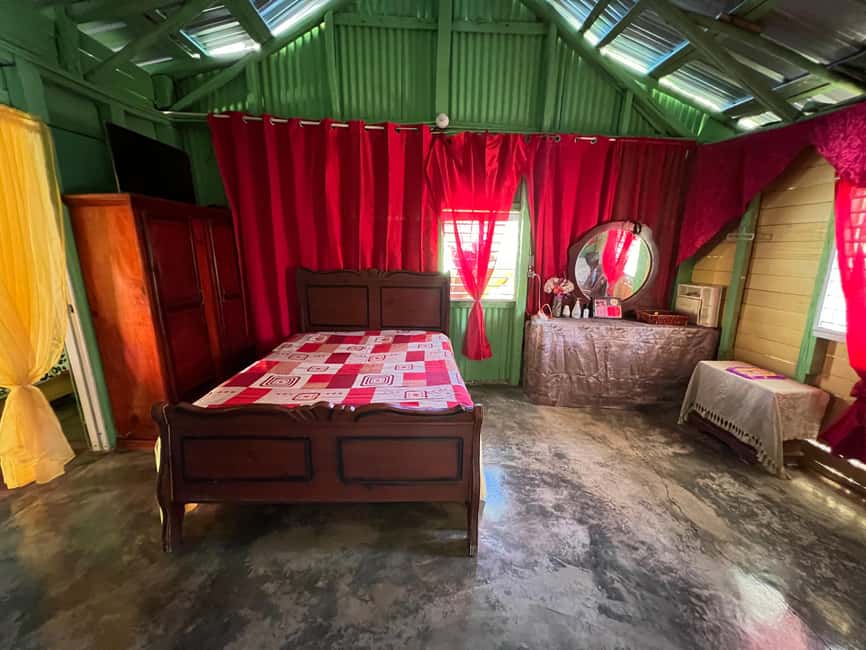
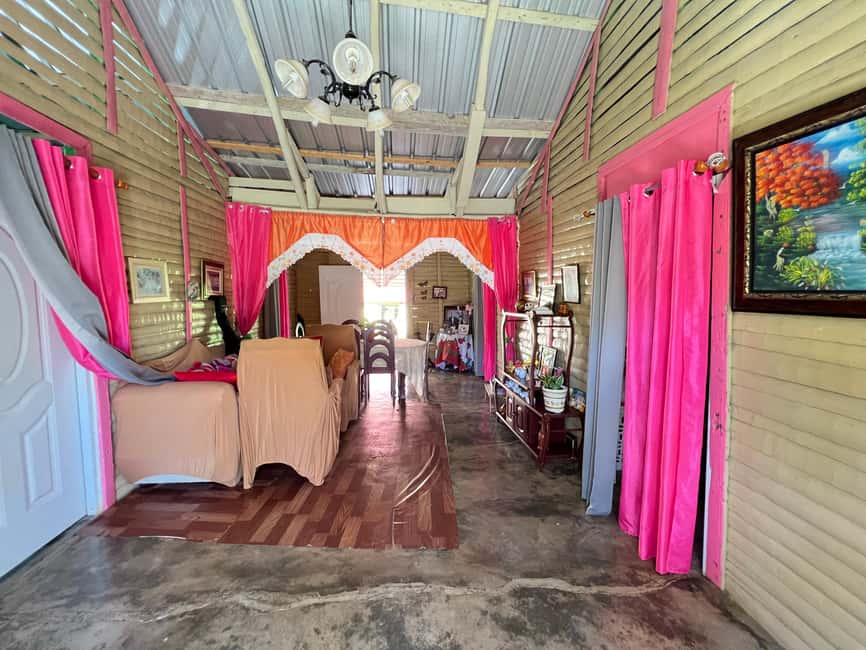
- Typical house visit: insight into rural Dominican life, not just agriculture
- Photo-friendly countryside: scenic views come with multiple stops
Three Stops, One Rural Rhythm in La Altagracia
This is a short, countryside-focused tour that aims to connect flavors to farm life. You’ll start with coffee, then shift to cacao (for chocolate), and finish with sugar cane—so you’re basically touring the Dominican Republic through three crops people actually use every day.
I like that it feels practical. This isn’t a museum-style explanation where everything stays behind glass. You’ll have a guided plantation visit, a hands-on experience, and tastings that make the lessons stick.
If you’re trying to build a deeper sense of where Punta Cana’s surroundings come from, this is a solid choice. Just go with flexible expectations on pacing, because a “3-hour tour” can still include more time in transit than you expect.
You can also read our reviews of more tours and experiences in Punta Cana

Coffee Plantation Walk: What You’ll Learn and Taste
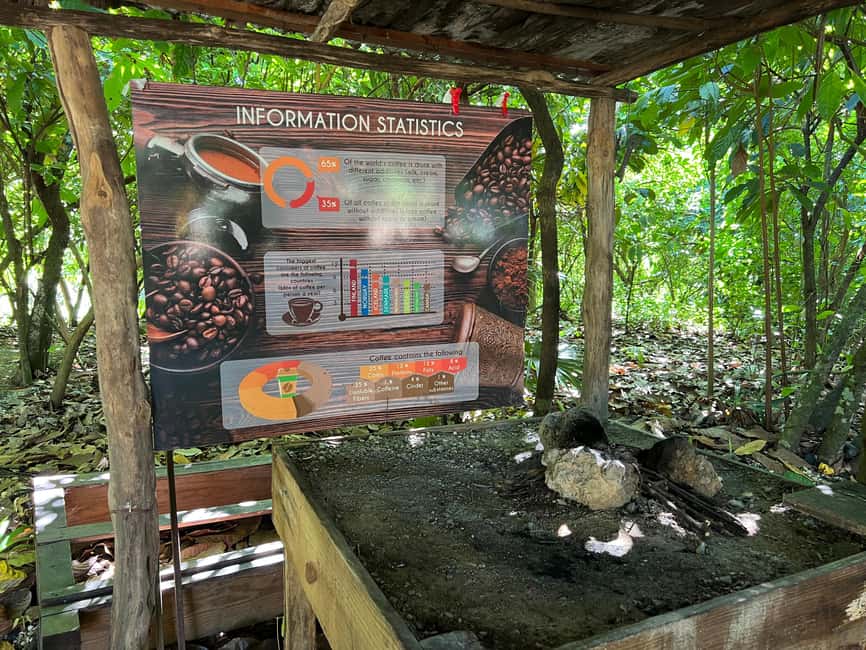
The coffee portion is the heart of the tour. You head out from your hotel to a scenic countryside location where you can actually see coffee growing in the fields (not just pictures of coffee). The walk matters because it turns the story into something you can visualize—rows of plants, the farm setting, and the work that supports what ends up in your cup.
Expect to cover the basics of the coffee journey: growing, harvesting, and roasting. Even if you already know coffee gets processed, hearing the sequence from a local guide makes it feel grounded and less abstract. You also get a coffee tasting, which is where the whole lesson becomes real.
A practical tip: if you’re sensitive to strong flavors, take a small sip first. Dominican coffee is described as robust, and that matches the general style of many island coffees—bold and not shy.
Why this stop is valuable: Coffee is one of the DR’s most recognizable agricultural exports, and understanding the process helps you taste differently later. Instead of just drinking coffee as a habit, you’ll recognize what you’re tasting as part of a chain of work.
Chocolate Hut and Cacao Culture: More Than Just Sweet
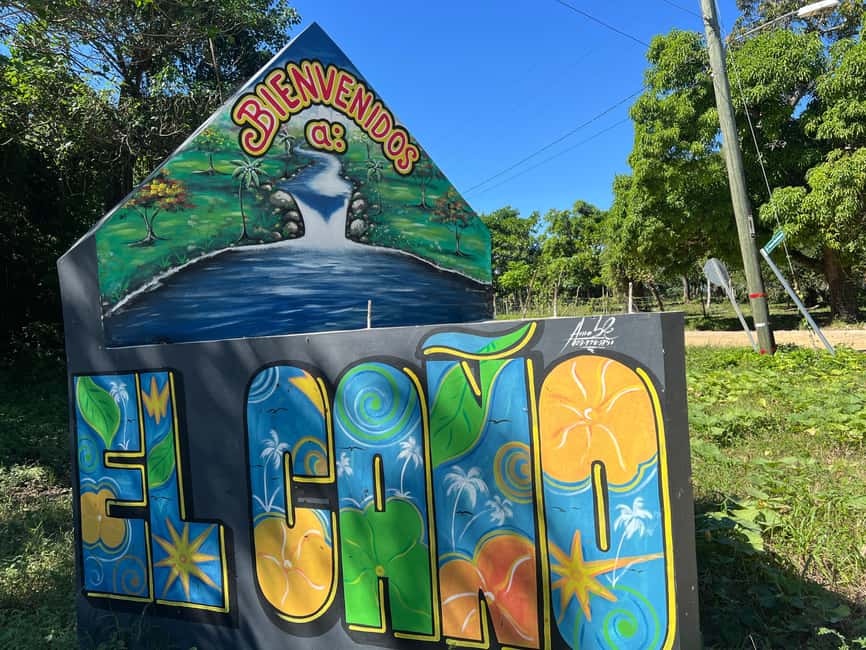
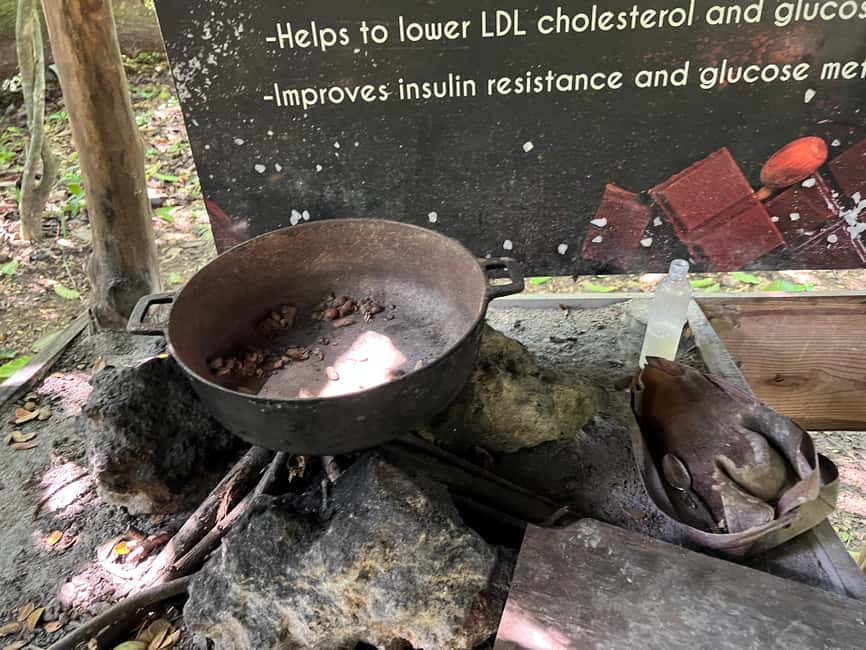
Next up is the chocolate stop, built around cacao. You’ll visit a chocolate hut and learn about the cultural and historical significance of cacao in the Dominican Republic. The DR is described as a top exporter of high-quality cacao beans, and that’s the context you’ll hear—why cacao isn’t just a dessert ingredient, but an important part of agriculture and identity.
This is where the tour broadens from farming technique to meaning. Coffee is about routine processing. Cacao is about a long-standing role in food culture and trade.
If you love learning how food traditions form, this section is a good fit. It helps you see why chocolate flavors you buy back home started as something very specific—beans grown on real farms, shaped by local methods, and tied to the island’s economy.
Keep your expectations clear: you’re not signing up for a full chocolate factory tour. This is more intimate—think guided explanations plus a tasting-centered experience.
Sugar Cane Hut: The Farm-to-Table Side of Sweetness
Then comes sugar cane, with a visit to a sugar cane hut. It’s a different kind of crop story. Coffee and cacao are about beans; sugar cane connects more directly to sweetness and to how rural households and farms earn their way.
The tour includes cultural insights here, so you’re not just learning what sugar cane looks like. You’re connecting the plant to rural life and local production traditions.
For me, this stop is useful because it rounds out the tour. Without it, you might leave thinking the Dominican Republic is all coffee and chocolate. With sugar cane, you get a more complete picture of what the countryside grows and why.
And yes, you’ll get more photo opportunities. These huts are usually part of a walk through farmland rather than a quick indoor stop, so you get the visual payoff along the way.
Typical Dominican House Visit and Lunch You’ll Actually Remember
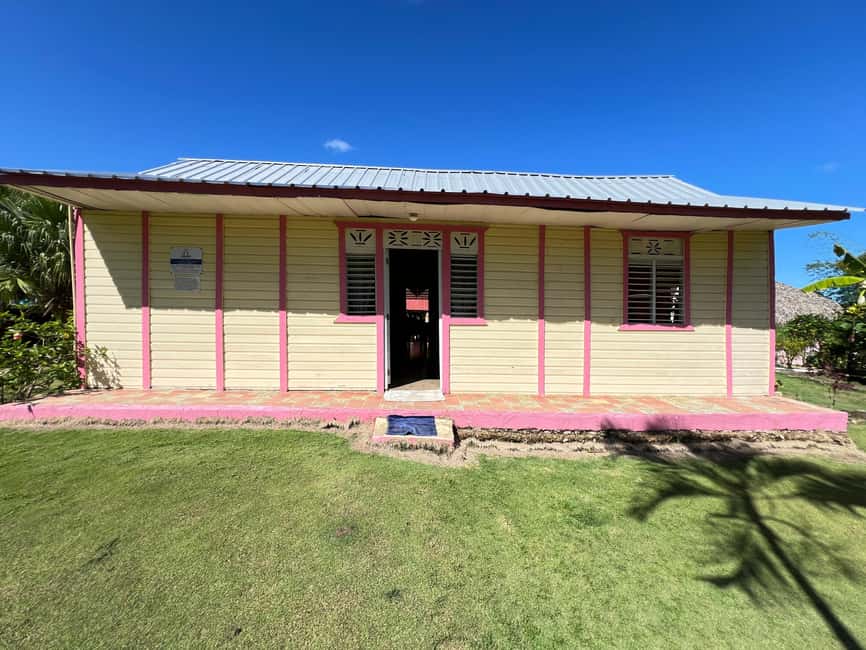
One of the best parts is the visit to a local home—sometimes described as a typical house. You’ll learn about rural Dominican life and see how people live close to the land. This isn’t just a photo stop. The idea is to connect what you’re learning on the farms to daily reality.
The Dominican lunch included here is also a big value add. A lot of tours skip real food or treat it like a filler meal. This one places lunch as part of the visit, which helps the whole experience feel coherent: farm, home life, then food you can taste while the lessons are still fresh.
Practical advice: eat like it’s a warm day. You’ll be out in the sun, and the tour guidance suggests water and sunscreen, so come ready to stay comfortable through the meal.
If you’re picky, you might still find it worth it because it’s presented as traditional Dominican dining as part of the rural setting—not a generic resort buffet style.
You can also read our reviews of more tours and experiences in Punta Cana


Price and Logistics: Matching the Tour to Your Expectations
The price is $55 per person, for a 3-hour tour that includes transportation from and to your hotel. On paper, that can feel like good value because you’re getting multiple stops plus lunch plus tastings.
But here’s what you should plan for: this kind of tour often includes travel time, and the actual time on-site can shift depending on the day. If you’re the type who needs a strict schedule, build in buffer time when you book—especially if you have another activity the same day.
Language also matters. The guide is listed as available in Spanish, English, and French. In practice, language delivery can vary, so if French or English is important to you, consider confirming that detail when you reserve.
A quick reality check that will save you stress: this isn’t a private, multi-hour deep-dive through three separate estates. It’s a structured visit designed to hit highlights within a short window.
That makes it best for:
- First-timers who want a taste of Dominican agriculture
- People who like short, guided outings with a clear food focus
- Travelers who want countryside views without committing an entire day
It may feel less ideal if:
- You want long time at each stop
- You need accessibility support (more on that below)
- You’re very schedule-tight
What to Bring for a Comfortable Farm Day
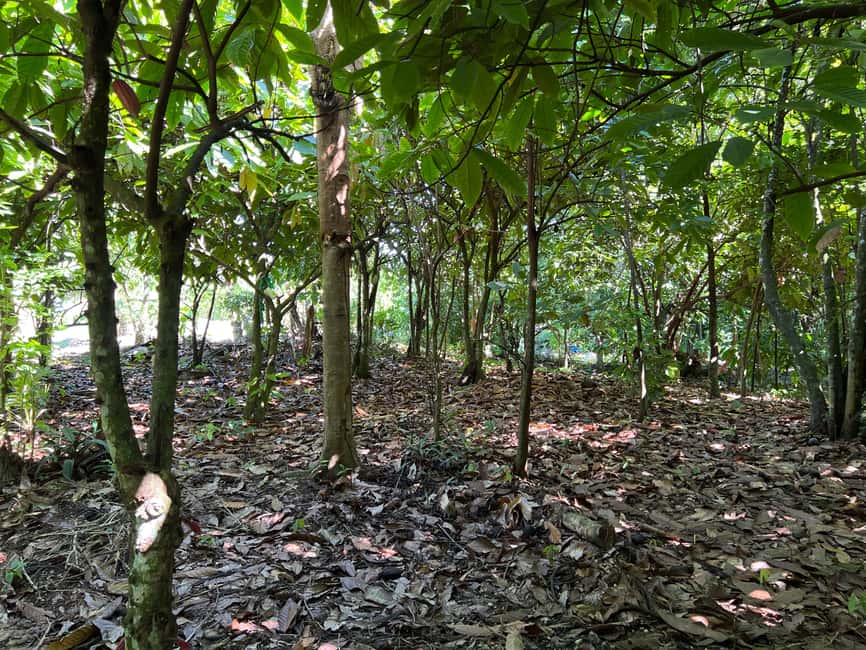
This tour is active enough that what you pack affects your comfort. The guidance is straightforward, and I agree with it.
Bring:
- Comfortable shoes (walkable, not slick soles)
- Sun hat and sunscreen
- Water (you’ll be out in the sun)
- Insect repellent
- Camera (you’ll want it for the countryside views)
- Cash (useful for locally made coffee and souvenirs)
Also, dress for warmth and outdoor time. Comfortable clothing matters because you’ll be walking around the plantation area and moving between huts.
One small but smart move: keep your camera accessible. The views are part of the experience, and you don’t want to miss the best light because you’re stuck fishing for your phone.
Who Should Skip It (and Who Will Love It)
This activity isn’t suitable for:
- pregnant women
- people with back problems
- people with mobility impairments
- wheelchair users
That’s important. The tour involves walking and outdoor movement across farm areas, so comfort and mobility restrictions aren’t a small detail here—they’re the main factor.
Who tends to enjoy it most:
- Travelers in decent physical shape who want a short farm-and-food outing
- Food-minded visitors who like learning how ingredients are grown and processed
- People who enjoy guided cultural explanations alongside tastings
If you’re traveling with kids, the tour data doesn’t specify a family policy. Still, the walking component and time outdoors mean you’ll want to judge based on your child’s comfort and attention span.
Should You Book This Punta Cana Coffee and Chocolate Tour?
I’d book it if you want a compact, food-centered look at Dominican farm culture: coffee fields, cacao context, sugar cane, and a typical home visit with lunch. The coffee tasting and the fact that you get multiple crop stops are the strongest reasons to choose it.
I wouldn’t book it if you:
- need strict timing down to the minute
- require a specific guide language with full certainty
- have mobility or back-related limitations
If you do book, go prepared for outdoor walking, bring the recommended items, and schedule the rest of your day with a little breathing room. Done that way, this is a worthwhile excursion that turns agricultural “stuff” into something you can taste and remember.
FAQ
How long is the Punta Cana coffee plantation and chocolate tour?
The duration is 3 hours.
How much does the tour cost?
The price is $55 per person.
What’s included in the guided experience?
It includes a guided plantation tour, a hands-on experience, coffee tasting, visits to a chocolate hut and a sugar cane hut, cultural insights, a typical Dominican house visit, lunch, and transportation from and to your hotel.
Which languages is the live guide available in?
The live tour guide is listed as available in Spanish, English, and French.
Do you get coffee, chocolate, or sugar cane tasting?
Coffee tasting is included. The tour also includes visits to a chocolate hut and a sugar cane hut, with a hands-on experience, but tasting details for cacao or sugar cane aren’t specified in the provided info.
What should I bring with me?
Bring comfortable shoes, a sun hat, camera, sunscreen, water, insect repellent, and cash.
Is smoking allowed during the tour?
Smoking is not allowed.
Is littering allowed?
No, littering is not allowed.
Is this tour suitable for wheelchair users or people with mobility impairments?
No. It is not suitable for wheelchair users or people with mobility impairments. It’s also not suitable for pregnant women and people with back problems.