REVIEW · PUNTA CANA
Punta Cana: Interactive Experience at Monkey House
Book on GetYourGuide →Operated by Somos Viaje Punta Cana · Bookable on GetYourGuide
Seeing monkeys up close changes everything. This Punta Cana outing at Monkey House gets you face-to-face with four monkey species in their natural habitat, plus a hands-on bottle-feeding moment. You’re also tucked into a small group (max 10), so the guide can manage the chaos and keep the experience fun and safe.
What I like most is the variety: you’ll meet the weeping capuchin, black-faced capuchin, African green monkey, and squirrel monkey, each with their own way of moving and reacting. I also like that the tour doesn’t stop at animals; you’ll visit a local store for handmade Dominican souvenirs. One watch-out: the photo situation can get pricey, and personal cameras may be restricted during parts of the monkey time.
In This Review
- Key points before you go
- Punta Cana to Monkey House: the 3-hour plan
- Four monkey species in one natural-habitat visit
- The bottle-feeding moment: watch closely, stay calm
- Photo rules and how to avoid sticker shock
- Small-group comfort: guide attention in a max-10 setup
- After the monkeys: local store and Dominican handmade souvenirs
- What to pack (and what rules to follow)
- Meals, timing, and energy management
- Price and value: is $99 per person worth it?
- Should you book Monkey House in Punta Cana?
- FAQ
- Where is the Punta Cana Monkey House experience located?
- How much does the tour cost?
- How long is the tour?
- Is the group kept small?
- What monkeys will you see during the tour?
- Can you bottle-feed a baby monkey?
- Are meals included?
- Is hotel pickup and drop-off included?
- Is the experience wheelchair accessible?
- Who should not book this experience?
Key points before you go
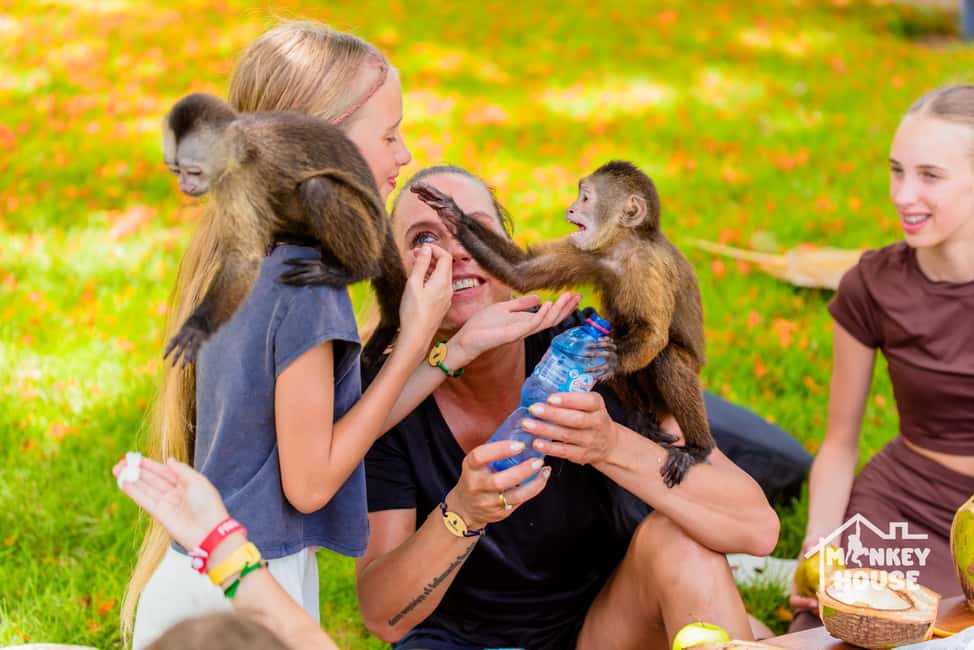
- Four species, not just one: weeping capuchin, black-faced capuchin, African green monkey, and squirrel monkey
- Bottle-feeding a baby monkey: one of the rare, truly interactive moments on the schedule
- Small group rhythm (10 people max): easier for the guide to position you and manage handoffs
- Photography rules you should plan for: personal cameras may be limited during the first monkey session, then easier during the picnic
- Souvenir stop with local focus: time to browse handmade items from the region
- Hotel pickup and drop-off included: you don’t have to figure out transport in Punta Cana
Punta Cana to Monkey House: the 3-hour plan
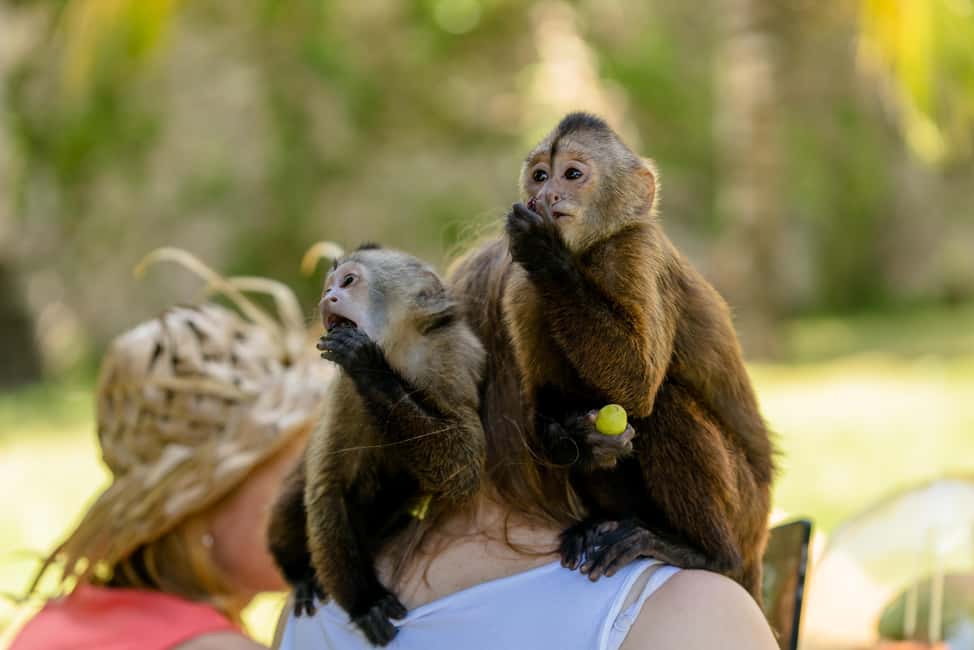
Monkey House is set up for an easy half-day feel. You start with round-trip transportation from your Punta Cana hotel, which matters because most people don’t want to spend vacation time negotiating taxis or waiting on transfers. The total time on the ground is about 3 hours, so it works even if you’re not trying to turn your day into a full expedition.
Once you arrive, you’ll be guided through animal time in a way that keeps things flowing. You’ll sit and watch as the monkeys approach, and then the guide helps you participate at the moments where interaction is encouraged, including the bottle-feeding. Then you’ll shift to a local store visit, where you can slow down, compare prices, and pick up items made by regional artisans.
The biggest practical takeaway: this isn’t a long zoo-style walk. It’s more like a series of close-contact encounters, paced by staff so you can watch what the monkeys do naturally.
You can also read our reviews of more tours and experiences in Punta Cana.
Four monkey species in one natural-habitat visit
The Monkey House experience centers on meeting four different monkey species in the same overall setting:
- Weeping capuchin (expressive, smart, and very active)
- Black-faced capuchin (dark face, friendly and playful)
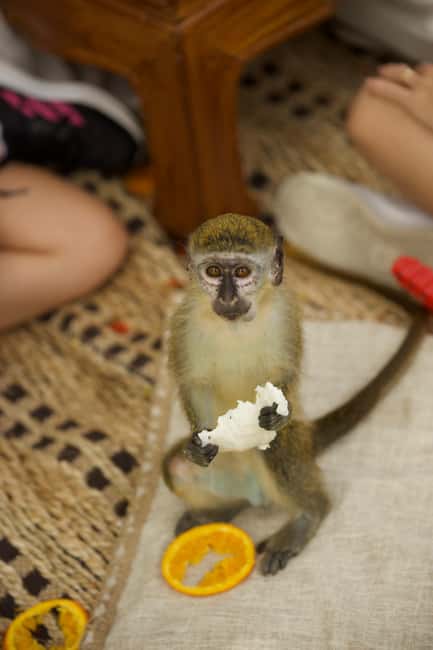
- African green monkey (greenish fur tone, warm demeanor)
- Squirrel monkey (small, quick, curious, and hard to ignore)
Because you’re seeing multiple species back-to-back, you get a better sense of how primates behave differently even when they’re all living close to people during the session. You’re not just spotting one animal and moving on; you’re watching different movement styles, social interactions, and confidence levels as the group settles in.
A bonus you might see, depending on timing: parrots were mentioned alongside the monkey talks and photo moments, so keep your eyes up while you’re waiting for the monkeys to come closer.
The bottle-feeding moment: watch closely, stay calm
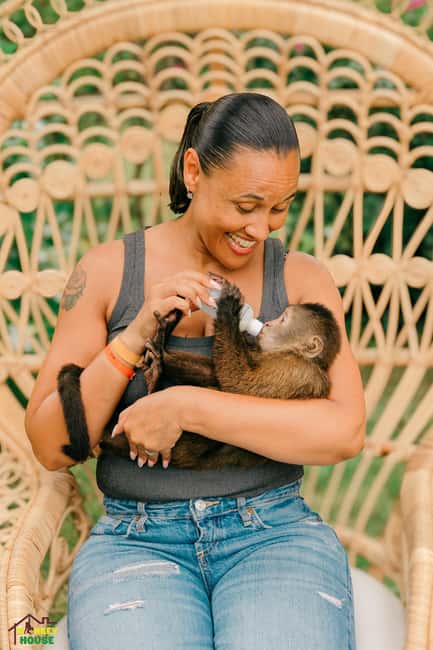
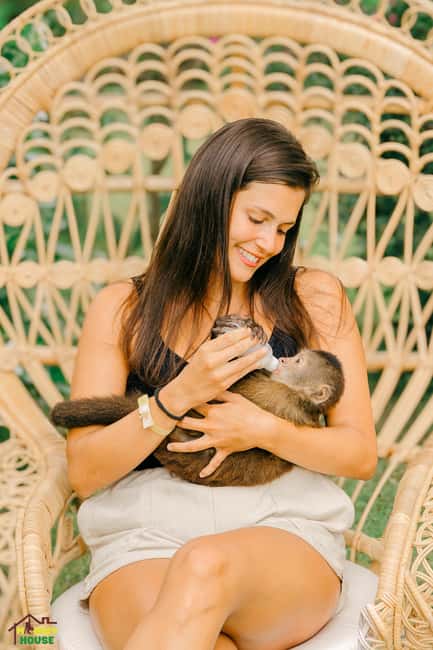
The headline interaction is the chance to bottle-feed a baby monkey. That’s the moment people remember because it’s not just observation; you’re right in the action while the staff manages proximity.
Here’s how to make it go smoothly for yourself and for the animals:
- Keep your hands steady and follow the guide’s cues.
- Don’t reach forward early. Let the guide position you and tell you when it’s your turn.
- Pay attention to body language. If monkeys get pushy or curious, staff will usually redirect the situation fast.
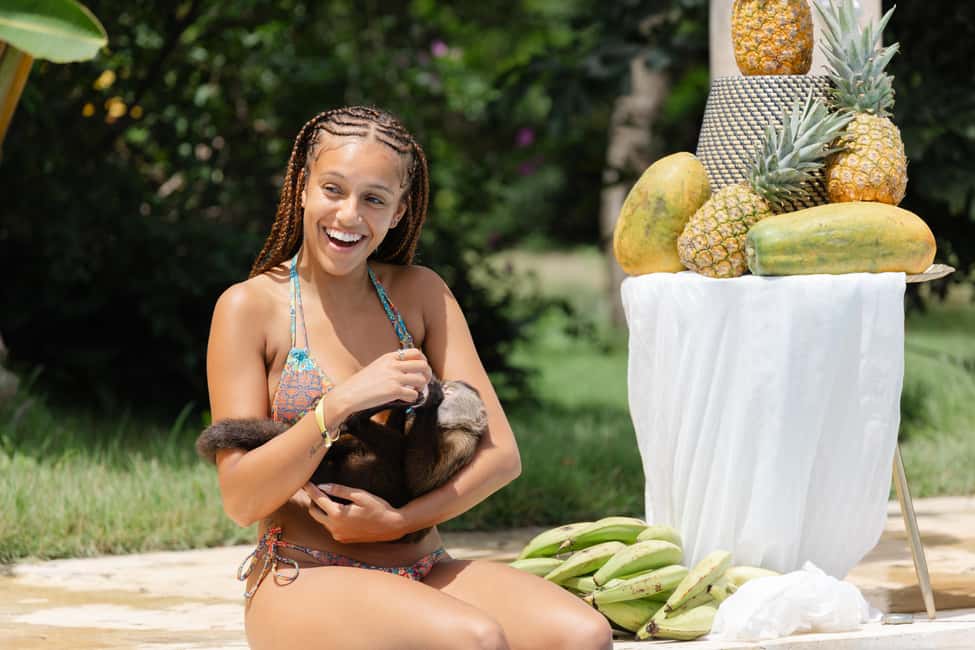
In the animal sessions, it’s normal to have monkeys climb near you or move around you. That’s part of the experience, but it’s also why calm behavior matters. Think of it like live theater: you’ll get better photos and a better memory if you’re not trying to outsmart what the animal decides to do.
Photo rules and how to avoid sticker shock
This tour is hands-on, but photos aren’t always as simple as bring a camera and shoot freely. During one monkey session, visitors were gathered under a large tree, and the monkeys approached and climbed around people—yet cameras were reportedly not allowed during that part. A photographer handled the shooting, then later offered photo packages for purchase.
Later, during the picnic segment in a cabana-like area, the photo situation improved. You were allowed to take your own pictures there, and it was darker than the first monkey time, so plan for indoor-style lighting challenges (or rely on the staff photographer if you want the cleanest results).
The big caution is cost. Purchased photos were described as expensive, with individual photos priced around $20 USD and bundles rising to much higher amounts. You can still have a great time without buying any photos, especially if you’re comfortable taking your own pictures during the picnic portion.
My practical advice: bring your camera, but be ready to follow staff instructions immediately. If cameras are restricted at first, don’t fight it. You’re there for the interaction, not to win a debate with the rules.
Small-group comfort: guide attention in a max-10 setup
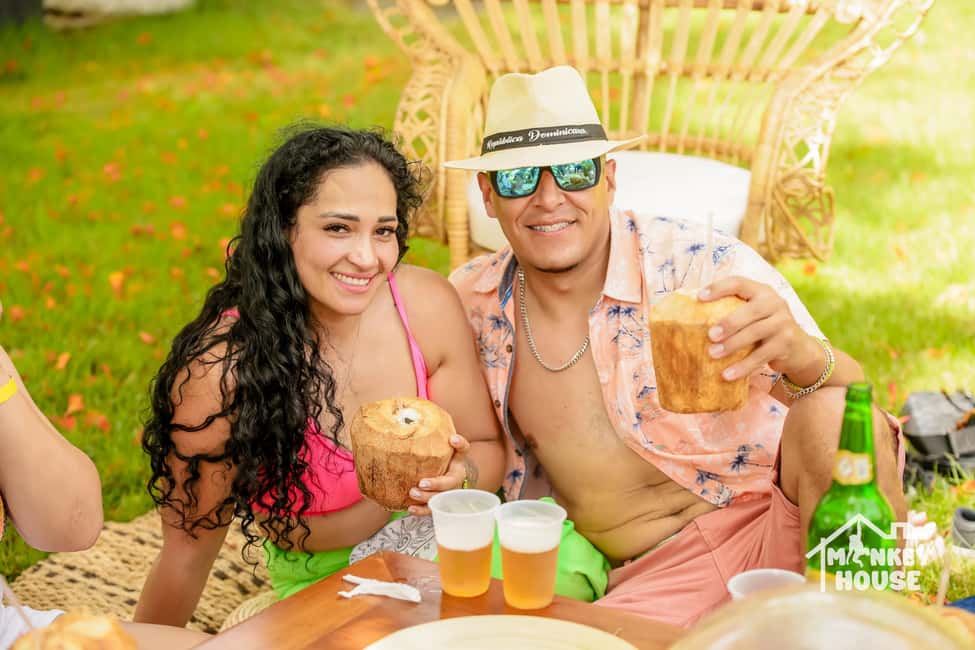
The tour keeps the group to 10 participants, which changes the whole feel. With fewer people, you’re more likely to get clear instructions, and the guide can manage timing when monkeys move quickly or when you need to shift position for safety.
This setup also tends to make staff communication better. One guide named Monica stood out for being friendly and attentive, and the overall staff tone is described as polite, informative, and genuinely focused on the monkeys. That matters on a tour like this, because closeness can go wrong if everyone is moving at once.
You’ll also likely get more personal guidance when it comes to the bottle-feeding and the right way to observe. That’s the difference between a “look but don’t touch” experience and one where you actually participate.
After the monkeys: local store and Dominican handmade souvenirs
After the monkey time, you’ll go to a local store. This is a chance to learn a bit about local artisanal products and pick up souvenirs that reflect Dominican culture instead of the usual grab-bag of mass-market trinkets.
The store stop is also a nice reset. The monkey sessions can be intense—animals approach, people shift, and it gets loud fast. A calmer shopping segment gives you time to slow down, ask questions, and browse without feeling like you’re missing the main event.
If you’re souvenir-focused, treat this as your main shopping window. The tour length is only about 3 hours total, and there isn’t time for a long detour elsewhere.
What to pack (and what rules to follow)
You’re outdoors, you’re near animals, and you’ll likely spend time in warm conditions. Bring what actually helps:
- Sunscreen
- Comfortable clothes
- Insect repellent
- Camera (but follow the photo rules on-site)
- Water if you personally like it, though the tour info here doesn’t specify meals or extra drinks
A few other notes that affect your day:
- No smoking is allowed.
- This experience may not be suitable if you have animal allergies.
- It’s not recommended for children under 3, and it’s listed as not suitable for pregnant women.
If you fall into any of those categories, check with your provider before booking, because the entire experience is built around close proximity and unpredictability.
Meals, timing, and energy management
Meals aren’t included. Since the duration is 3 hours, it’s easy to manage your schedule if you eat before you go. If you want a comfortable day, plan to have breakfast or a snack beforehand, then handle lunch on your own when you’re back at your resort.
Also think about your timing in Punta Cana. This is best if you want something memorable but not exhausting. If you already have a beach morning planned, this afternoon-style window can fit nicely and still leave you time to recover.
Price and value: is $99 per person worth it?
At $99 per person, you’re paying for a bundle: hotel pickup and drop-off, guided interpretation, the interactive monkey activity (including the bottle-feeding moment), and the store stop. That’s why the price doesn’t feel outrageous compared to many animal experiences that charge separately for everything.
What can change the true cost is what happens after the monkey sessions. Photo pricing can add up quickly if you decide to buy the photographer’s shots. If you’re the type who wants perfect photos and doesn’t mind paying for them, you might feel like the value lands. If you prefer to take your own pictures during allowed moments, you can keep spending under control.
So, the real way to judge value is this:
- If you want hands-on primate interaction plus a guide and transport, $99 is reasonable.
- If you’re trying to avoid extra costs, go into it knowing photos may be restricted and premium-priced.
Should you book Monkey House in Punta Cana?
I’d book this if you want a short, well-paced animal encounter with real interaction, not just a distant viewing setup. The small group max of 10, the chance to feed a baby monkey, and the structured monkey sessions plus souvenir shopping are a strong mix for a single half-day.
I’d think twice if you’re very photo-driven and expect to take unlimited pictures during every moment. The photo rules can limit your shooting during at least part of the session, and the offered photographer images can be costly. If you’re fine with that, you can still have an excellent day.
Also consider fit: if you travel with very young kids, are pregnant, or have animal allergies, this one isn’t a good match.
If you want, tell me your travel month and whether you care about buying photos. I can help you plan what to prioritize during your 3 hours so you get the best memory without surprise spending.
FAQ
Where is the Punta Cana Monkey House experience located?
It takes place in La Altagracia, Dominican Republic.
How much does the tour cost?
The price is $99 per person.
How long is the tour?
The experience lasts about 3 hours.
Is the group kept small?
Yes. It’s a small group limited to 10 participants.
What monkeys will you see during the tour?
You’ll interact with four species: weeping capuchin, black-faced capuchin, African green monkey, and squirrel monkey.
Can you bottle-feed a baby monkey?
Yes. Bottle-feeding a baby monkey is part of the interactive activity.
Are meals included?
No, meals are not included.
Is hotel pickup and drop-off included?
Yes. Round-trip transportation from your Punta Cana hotel is included.
Is the experience wheelchair accessible?
Yes, it is listed as wheelchair accessible.
Who should not book this experience?
It’s not suitable for children under 3 years, pregnant women, or people with animal allergies.