REVIEW · 3-DAY EXPERIENCES
Punta Cana: PADI Open Water Scuba Certification (2–3 Days)
Book on Viator →Operated by SeaPro Divers · Bookable on Viator
Learning scuba in Punta Cana is pure vacation logic. This PADI course with SeaPro Divers gives you a pool-and-classroom start, then you finish with real ocean skills, backed by tight scheduling and a max group size of 10. I also like the human touch: Kat handles coordination and communication, while instructors such as Daniel, Jennifer, Eugenio, Craig, and Petra are repeatedly named for clear teaching and calm feedback.
One consideration: local water conditions aren’t always postcard-clean. You may run into seaweed or algae, and the pace can feel intense if you’re nervous—so bring patience for a busy, hands-on 2-day track.
In This Review
- Key things to know before you go
- Punta Cana scuba class: what your $649 covers
- SeaPro Divers in Playa Blanca: start time and logistics that reduce stress
- Day 1: paperwork, gear setup, and pool practice that builds real confidence
- Day 2 (and beyond): ocean training, skills checkpoints, and real water conditions
- Two days vs three days: how to choose the right pacing
- Meet the team: Kat organizing and the instructors keeping you steady
- What to bring and how to prep so you don’t lose momentum
- Is the price worth it in Punta Cana?
- Should you book SeaPro Divers for your PADI Open Water certification?
- FAQ
- How long is the PADI Open Water certification course in Punta Cana?
- What certification do I get?
- Is hotel pickup included?
- Where is the meeting point and what time does it start?
- What’s included and what’s not included?
- Are there health and fitness requirements?
Key things to know before you go
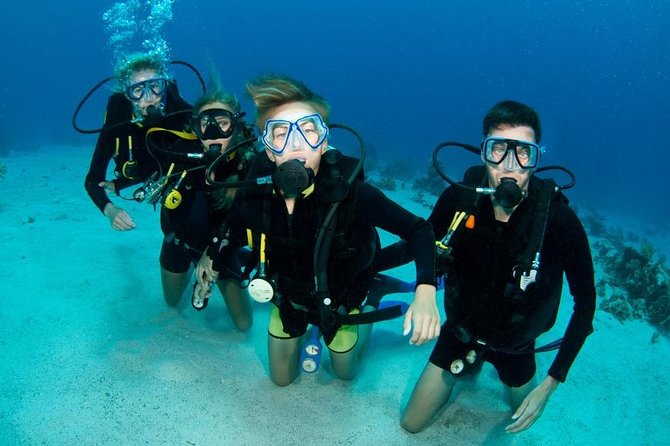
- Pool-first training so you can practice gear and breathing before ocean work
- Small groups (up to 10) which usually means more attention per student
- Instructors get named a lot—Kat for coordination, and Jen/Daniel/Eugenio/Craig/Petra for teaching
- 2 days or 3 days depending on how much time you want to spend and whether you add an outing
- Seaweed/algae can happen in the water, even with excellent staff
- Not all hotels qualify for pickup (Cap Cana and Punta Cana Resort Club are specifically noted)
Punta Cana scuba class: what your $649 covers
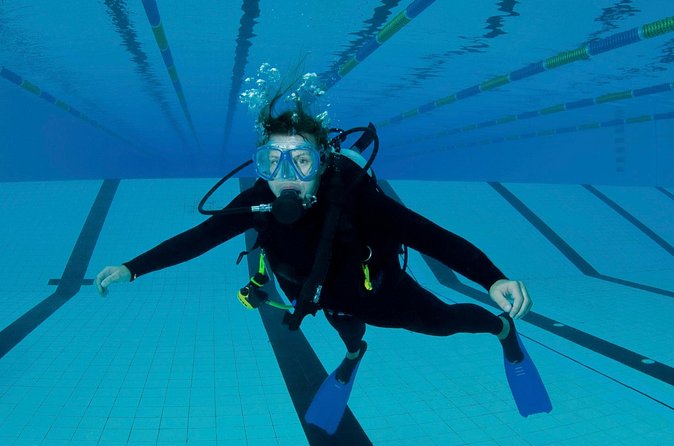
At $649 per person, this isn’t the cheapest way to get certified, but it’s priced like an all-in resort program rather than a bare-bones local class. The value angle is simple: the course includes the gear, instruction, pool work, ocean dives, and the PADI certification after you complete requirements.
Here’s what matters for budgeting. Food and drinks are not included, and you should plan on spending a bit day-to-day on snacks and water. The other big value limiter is transportation: pickup is included for selected hotels only, and the notes call out that Cap Cana and Punta Cana Resort Club hotels won’t get that hotel transport.
If you’re staying in the right area and want a structured, supervised certification process, $649 can feel fair. If you’re trying to cut costs hard, you might compare options elsewhere—but for Punta Cana convenience, this price comes with fewer moving parts.
You can also read our reviews of more scuba diving tours in Dominican Republic
SeaPro Divers in Playa Blanca: start time and logistics that reduce stress
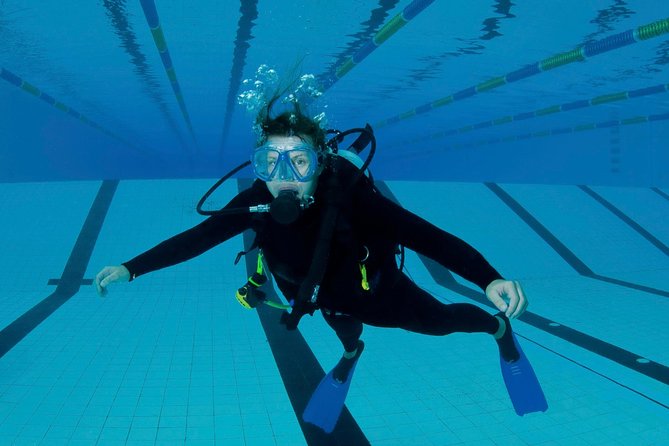
Your day starts at SeaPro Divers – Playa Blanca #2 in Punta Cana, with a 9:00 am start. The activity ends back at the same meeting point, which keeps things straightforward after your dives.
Hotel pickup is offered for some hotels, but not all. If you’re booked at a qualifying hotel, you’ll avoid the “how do I get there?” scramble. If not, you’ll need to make your own way to Playa Blanca #2—good news: the meeting point is noted as near public transportation.
Group size stays small (maximum 10). That matters more than you’d think. In scuba training, time gets tight, and smaller groups usually means you don’t spend long stretches waiting for others to finish skills.
Also note the schedule and physical demands. This is listed as requiring moderate physical fitness. If you’re healthy but not athletic, that’s still often fine, just don’t underestimate how much work your legs and core do when you’re getting in and out of the water and managing your gear.
Day 1: paperwork, gear setup, and pool practice that builds real confidence
The course structure is designed to make you comfortable before the ocean shows up. You’ll start with classroom and pool training, learning equipment use and practicing core skills in controlled conditions.
That pool-first approach is what I look for in a first-time certification. It’s where you learn how everything connects—mask, regulator, buoyancy setup, and breathing rhythm—without the extra pressure of waves and open-water depth. It’s also where you find out if you’re truly calm with your gear or if you need a bit more repetition.
Expect the class to feel “hands-on.” Even when you’re having fun, you’ll be doing skills repeatedly: set-up, checks, and guided practice. That’s normal. One review even flagged the course as fast-paced, so if you’re the type who likes to go slowly, you’ll want to communicate nerves early.
From the team names, the operation sounds heavy on coaching style, not just checklists. Instructors like Jennifer and Daniel are specifically credited for clear directions, patience, and staying upbeat when people get stuck on a skill.
Day 2 (and beyond): ocean training, skills checkpoints, and real water conditions
Open-water dives come after you’ve built some muscle memory in the pool. This is the part where your training stops being theory and starts being practical scuba—buoyancy while moving, breathing while task-focused, and staying calm when conditions change.
In Punta Cana, water conditions can vary. One clear data point from the provided info: there can be seaweed and algae at times. That doesn’t automatically mean your dive experience is bad—what matters more is how safely you complete the skill work and how well the instructor guides you through it.
In a certification course, instructors aren’t just “letting you swim.” They’re checking that you can manage your gear, handle basic scenarios, and follow directions efficiently. If you’re nervous, that’s where teaching style becomes everything.
Based on the staff feedback included here, you can reasonably expect supportive instruction. Several names repeat with similar themes: patient coaching, extra time for students who need it, and reassurance as skills click. If you’ve been anxious about getting your face in the water, this kind of coaching is the difference between dread and a good story.
Also plan for the environment to do its own thing. Ocean training involves motion, entry/exit work, and a bit of unpredictability. That’s not a flaw—it’s part of what makes certification meaningful.
Two days vs three days: how to choose the right pacing
The program offers 2-day and 3-day formats. The 2-day plan is the quickest path to certification, but it can feel like a sprint. Pool work plus open water requires focus, and you’ll be juggling gear, skills, and schedules tightly.
The 3-day option adds breathing room. In the extra time, you may get additional learning steps and (for some setups) an outing tied to Catalina Island. One provided note describes a “third day excursion option to Catalina Island,” and another mentions a Catalina upgrade being worth it because there’s plenty to see at the dive site.
If you want your vacation to feel less like school and more like a trip, the 3-day route usually makes more sense. It gives you extra time to absorb skills, recover between sessions, and enjoy the water beyond “just pass the course.”
If your schedule is strict and you’re motivated to get certified fast, the 2-day track can still work well. Just go in with the right mindset: you’re learning, not just sightseeing.



Meet the team: Kat organizing and the instructors keeping you steady
A standout detail here is how often the same names come up, and for good reasons that matter in training.
- Kat is repeatedly described as fast and effective with communication and coordination. That’s huge when you’re booking from abroad and need clarity on what happens next.
- Jennifer appears again and again as a calm, patient instructor who gives clear directions and uses positive reinforcement. If you’re a first-timer, this kind of coaching is gold.
- Daniel is highlighted for patience during open-water training.
- Eugenio is specifically singled out in one note for helping a course feel manageable.
- Craig and Kraig are also mentioned with praise for competence and teaching style.
- Petra is noted as part of the training team for someone doing the certification track too.
The pattern is consistent: people aren’t only celebrating the outcome. They’re praising how the course is taught when students are unsure, nervous, or slower to pick up a skill.
That matters more than almost anything else in scuba training. Skills can be practiced. Panic is harder to fix.
What to bring and how to prep so you don’t lose momentum
You can make this course easier on yourself with a little prep. The provided notes recommend bringing a snack and sunscreen. I’d treat that as non-negotiable. Training days run long, and sunscreen is a must in Punta Cana sun.
You also need to plan around health rules. Everyone will complete a health questionnaire, and some conditions—like asthma or heart problems—may prevent you from diving. Diving within 24 hours of flying is not recommended, so don’t book your certification immediately after a long travel day.
Minimum age is 10 years, and there’s a “moderate physical fitness” note. If you can comfortably walk, manage steps, and handle getting in and out of water repeatedly, you’re probably in range. If you’re dealing with medical concerns, talk to your doctor early so you’re not stuck on the day with paperwork outcomes.
One more practical thought: if you’re prone to anxiety, eat something before you start and tell the instructor. Instructors here are credited with calming nervous students, but your job is to communicate quickly rather than quietly hoping everything works out.
Is the price worth it in Punta Cana?
Here’s my take on value based on what’s included and what’s not.
What you get for the money:
- Equipment provided
- Pool and ocean instruction
- PADI certification after completion
- Hotel pickup and drop-off for selected hotels
- A small group cap of 10
What can add cost or complexity:
- Food and drinks are not included
- Some hotels do not get transport, including Cap Cana and Punta Cana Resort Club
- Water conditions can include seaweed/algae, depending on timing
So who gets the best deal? If you want convenience (pickup from your hotel, equipment handled, and a structured plan), and you’re staying in an eligible pickup zone, the price looks more reasonable.
If you’re staying at a hotel excluded from pickup, or you’re eating all your meals off-site anyway, then the total trip cost may creep up. In that case, the course can still be worth it—you’ll just want to budget time and transportation so the experience stays smooth.
And one caution from the provided info: some people felt the course is fast-paced. If you prefer slower learning, you might lean toward the 3-day format so you don’t feel rushed.
Should you book SeaPro Divers for your PADI Open Water certification?
Book it if:
- You want PADI certification handled end-to-end in Punta Cana
- You value organized coaching and supportive instruction, and you like the sound of instructors named for patience (Jennifer, Daniel, Eugenio, Craig/Kraig, Petra)
- Your hotel is eligible for pickup, or you’re comfortable getting to Playa Blanca #2 on your own
Consider a different approach if:
- You’re highly sensitive to fast schedules and prefer longer practice time—then the 2-day format may feel tight
- Your medical situation needs extra review, since a health questionnaire is required and some conditions can block diving
- You’re expecting crystal-clear water all the time; seaweed/algae can happen
If you want a practical path to certification without turning your vacation into a logistics puzzle, this setup has the right ingredients. The team structure and small group limit are the kind of details that matter when you’re learning a life-support skill like scuba.
FAQ
How long is the PADI Open Water certification course in Punta Cana?
The course is offered in a 2-day option (listed as approximately 2 days) and a 3-day option.
What certification do I get?
You’ll receive PADI certification upon completion, and you can choose between a PADI Open Water license or a scuba-diver license.
Is hotel pickup included?
Hotel pickup and drop-off is included for selected hotels only. Transportation is not included for Cap Cana and Punta Cana Resort Club hotels.
Where is the meeting point and what time does it start?
The meeting point is SeaPro Divers – Playa Blanca #2, Punta Cana 23000, Dominican Republic, and the start time is 9:00 am. The activity ends back at the meeting point.
What’s included and what’s not included?
Included: diving equipment, knowledgeable instruction, pool and ocean dives, and PADI certification upon completion. Not included: food and drinks.
Are there health and fitness requirements?
Minimum age is 10. A health questionnaire is required, and some medical conditions (including asthma and heart conditions) may prevent diving. Diving within 24 hours of flying is not recommended, and you should have a moderate physical fitness level.