REVIEW · BAYAHIBE
Samanà Whale Watching and Bacardi Island Tour From Bayahibe
Book on GetYourGuide →Operated by DOMINICAN EMOTION · Bookable on GetYourGuide
Humpback whales meet a white-sand island. This 11-hour tour from Bayahibe takes you by land to Las Cañitas and then out on a motomaran for humpback whales in the Jan–Mar season. I love how the day mixes big nature (watching whales surface, flipper, and tail beats) with real beach time on Cayo Levantado in Samaná. I also like that you get fed like a normal Dominican excursion: breakfast, a typical lunch on the island, and drinks on the beach.
One thing to keep in mind: whale watching is weather-dependent, and if the sea gets rough, the ride can feel less comfy (and some people may struggle more with seasickness). The tour is also not for everyone, including non-swimmers and anyone who can’t handle a small-boat situation.
In This Review
- Key Things to Know Before You Go
- Bayahibe to Cayo Levantado: The Mix That Makes This Tour Fun
- Season and Whale Reality: Jan–March, Weather, and Viewing Limits
- Getting From Bayahibe to Las Cañitas: Expect a Long Ride and a Simple Start
- Motomaran Whale Watching: How to Make the Most of Small-Boat Time
- Cayo Levantado and the Bacardi Island Name: Lunch, Sunbeds, and Beach Time
- Price and Value at $160: What You’re Paying For
- Guide and Languages: Who Runs the Day Matters
- Who Should Book (and Who Should Skip)
- What to Bring: Simple Gear That Saves Your Day
- Final Thoughts: Should You Book This One?
- FAQ
- How much does the Samaná Whale Watching and Bacardi Island tour cost?
- How long is the tour?
- Where does the tour operate?
- When is the tour available?
- Is whale watching guaranteed?
- What stops are included during the day?
- What meals and drinks are included?
- What is included in the price?
- What languages are the guides available in?
- What should I bring and what is not allowed?
- Is there free cancellation?
Key Things to Know Before You Go
- Jan–March is the whale window for humpbacks visiting warm Atlantic waters to reproduce.
- You’ll travel to Las Cañitas first, then head out on a motomaran with a guide and park entrance included.
- After a sighting, you’ll watch for about 30 minutes, often alongside other boats in the area.
- Cayo Levantado gives you a real beach break, with a typical lunch, drinks, and sunbeds.
- Bring swim-ready gear and plan for motion on the water; this is not a calm-lake kind of day.
Bayahibe to Cayo Levantado: The Mix That Makes This Tour Fun
This is a full-day classic: start in Bayahibe, chase whales in the Atlantic, then wind down on one of Samaná’s most famous beach islands. The appeal is simple. You get a chance to see whales up close during the right months, and you don’t end the day with just a quick photo stop. You actually get a beach meal and time to swim.
You should also appreciate the “done-for-you” structure. Land transport is included, park entry is handled, and the schedule keeps moving from port area to whale area to Cayo Levantado and back. For a lot of people, that matters more than the fine print.
That said, it’s not a short, low-effort outing. You’re signing up for a long day with sea time at the start and island time afterward. If you know you get motion sick, plan carefully.
You can also read our reviews of more whale watching tours in Bayahibe
Season and Whale Reality: Jan–March, Weather, and Viewing Limits
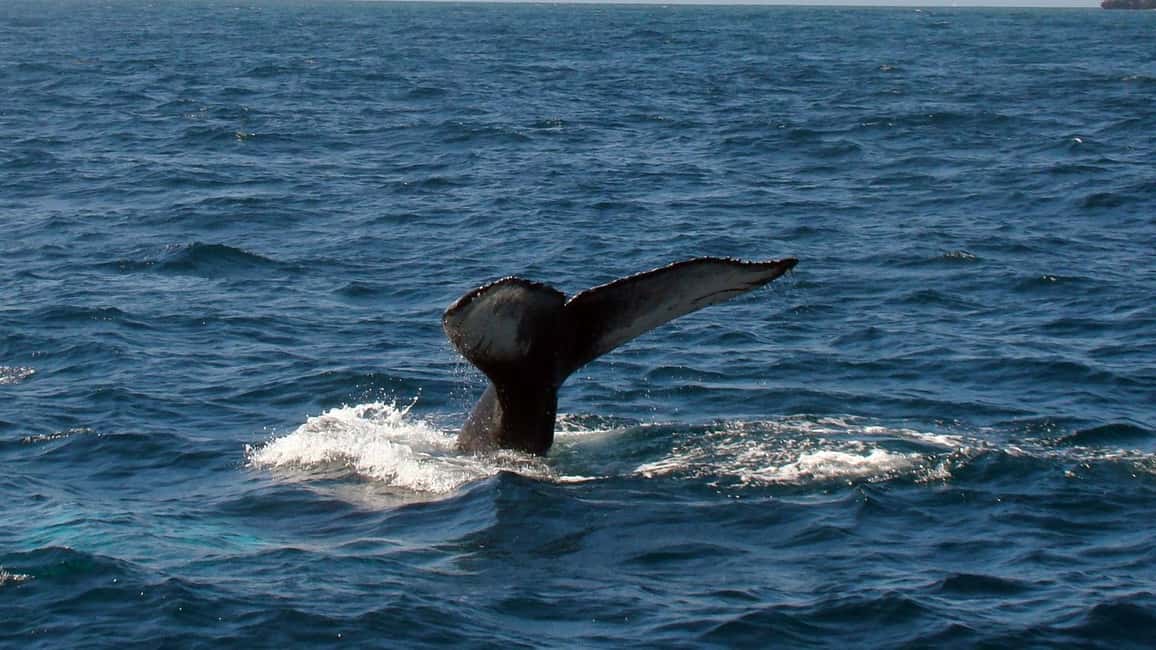
This tour runs January through March. That’s when humpback whales move into the warm Atlantic waters to mate and reproduce. It’s the reason this part of the Dominican Republic turns into whale territory for a few months each year.
Now for the practical part: whale sightings are not guaranteed. The operator specifically warns that weather conditions can affect what happens. That matters because whales are wild animals. If visibility is poor or the water is rough, you might get fewer moments that feel “wow” from the water.
Also, “seeing whales” doesn’t always mean seeing breaching from every angle. On rougher days, you may mostly see whales at the surface rather than big jumps. If you’re expecting a film-scene show every single time, temper that expectation. Your best odds are choosing a day with calmer conditions and arriving with realistic goals: spot whales, watch them as they surface and move, and enjoy the experience even when it’s not perfectly cinematic.
Getting From Bayahibe to Las Cañitas: Expect a Long Ride and a Simple Start
The schedule starts with a bus transfer from Bayahibe to the port city of Las Cañitas. You’ll stop for pickups along the way, so plan for travel time that feels longer than you might guess at the start of the day.
Before you head out on the water, the tour includes a small breakfast. That’s smart. You’ll want some fuel in your system before motomaran time, especially if you’re the type who feels queasy on an empty stomach.
If you’re prone to getting bored on long transfers, bring your own entertainment. The whale part is exciting, but the ride there is just the ride there. Still, the upside is that you’re not driving yourself, and the guide keeps the group organized.
Motomaran Whale Watching: How to Make the Most of Small-Boat Time
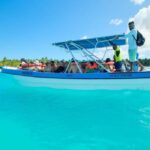
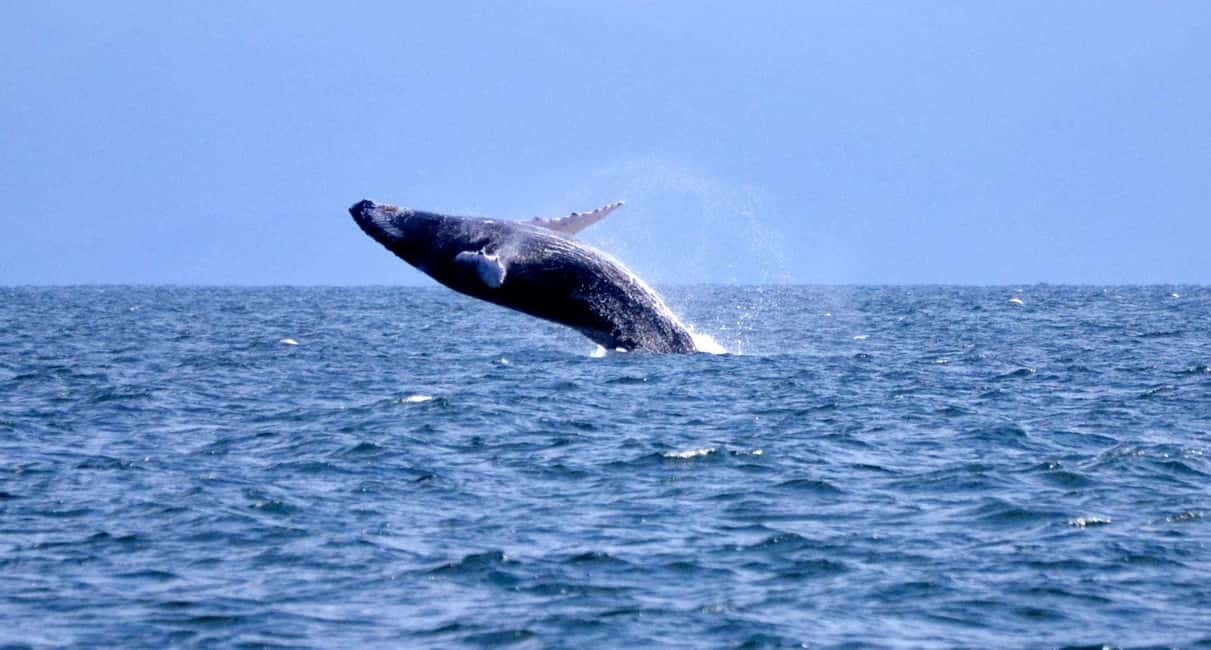
Here’s the heart of the day: you board a motomaran and head out to search for whales. When sightings happen, you’ll typically get around 30 minutes to watch the whales in action.
What makes it special is the way humpbacks behave at close range. You’re looking for those surface moments where you can actually see movement: flippering, tail beats, and occasional breaching. Even when the whale doesn’t jump dramatically, watching how the animal surfaces and changes direction can feel surprisingly intimate.
A few practical tips can make your view better:
- Stay alert for sudden changes. Whales don’t stick to a schedule.
- Position matters. Try to get a spot where you have a clear line over the bow area and not blocked by other passengers.
- Bring a waterproof camera plan. You’ll want photos that don’t turn into saltwater art.
Also, remember the tour is not for everyone. The operator lists non-swimmers and people prone to seasickness as unsuitable. If you fall into those categories, don’t force it. The whole point of whale watching is to feel wonder, not to white-knuckle your way through discomfort.
And while you’re out there, follow the rules: no smoking and no feeding animals. These tours rely on the whales being respected in their space.
Cayo Levantado and the Bacardi Island Name: Lunch, Sunbeds, and Beach Time
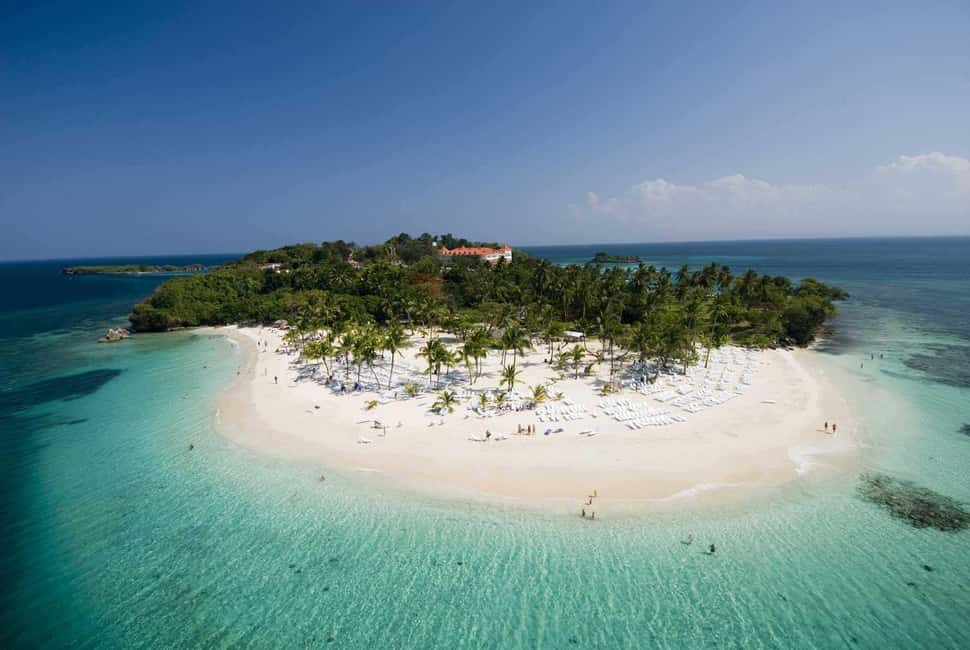
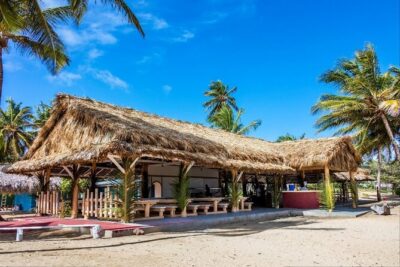
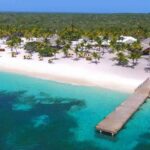
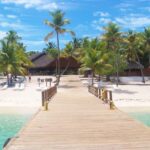
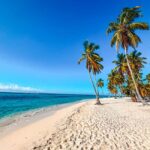
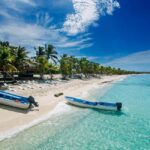
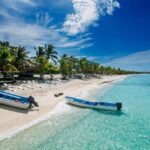
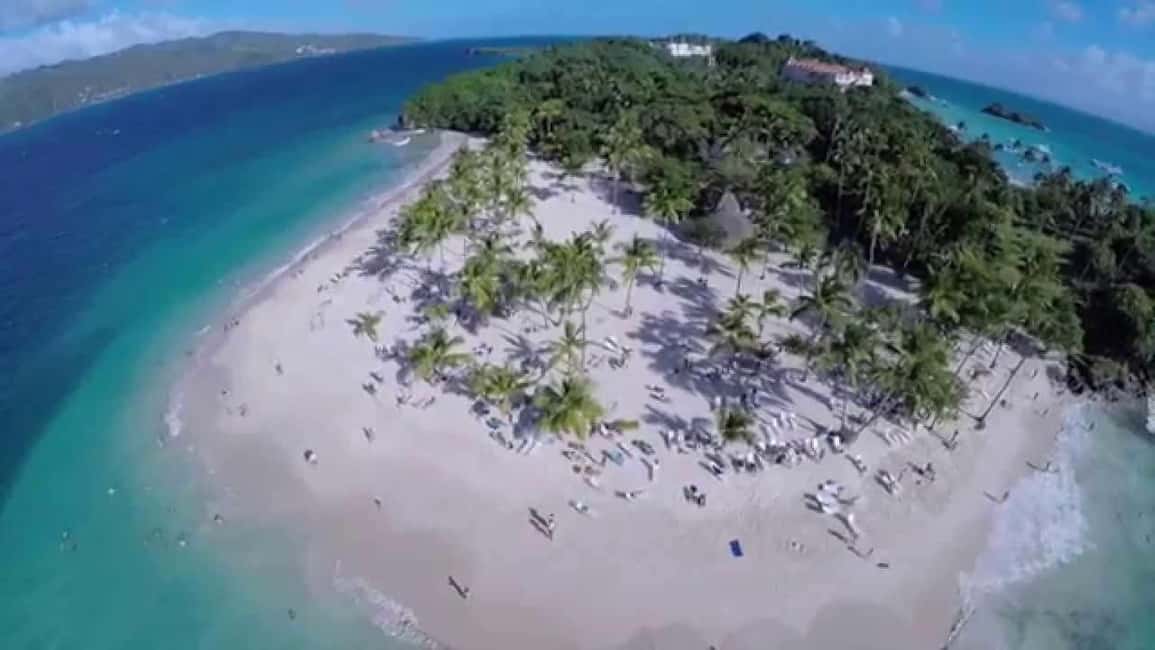
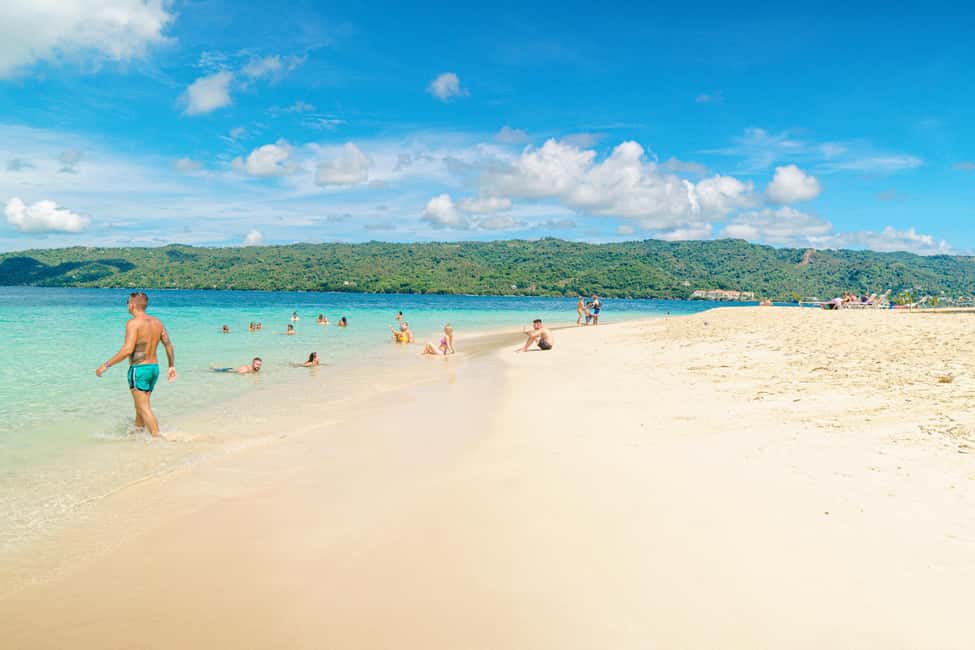
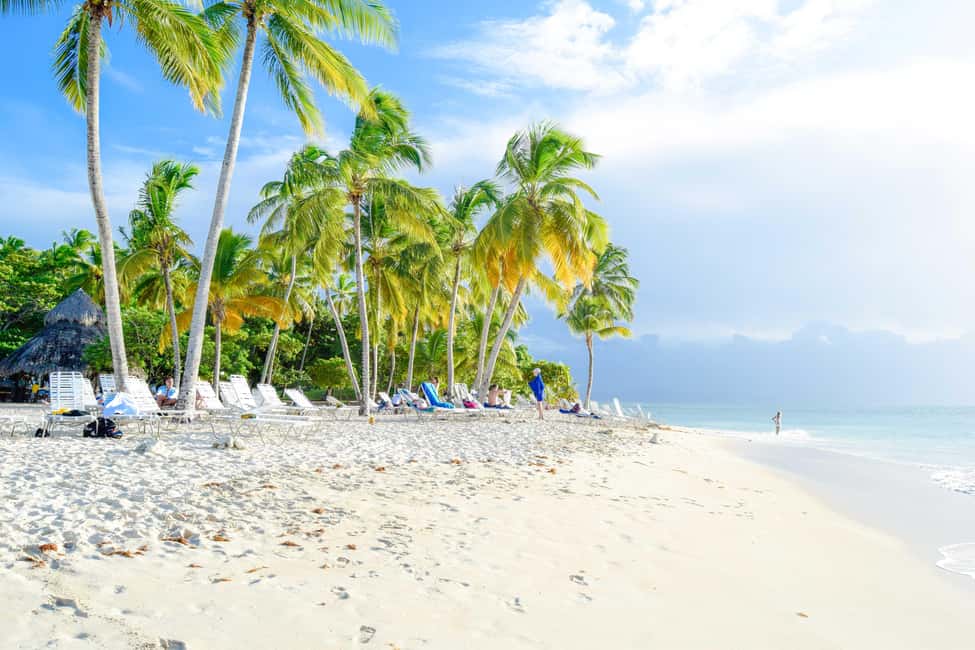
After the whale portion, the tour heads to Cayo Levantado, also known as Bacardi Island. If you’ve seen photos, you’ll recognize the look immediately: white sand, clear water, and a beach that feels built for swimming.
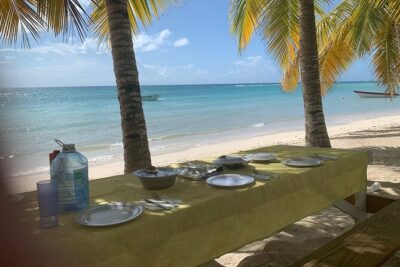
This is where the day shifts from action to downtime. The tour includes a typical Dominican lunch and drinks on the beach, plus sunbeds. That combination is genuinely useful. It turns the island stop into a real break instead of just another stop where you’re hungry and stuck in the heat.
What I like about this part of the itinerary is the timing and pacing. You get enough sea time to chase the whales, then you decompress with a meal and a stretch on the sand. It’s the best kind of balance for a one-day trip.
One realistic note: Cayo Levantado is popular. On busier days, you may be sharing the island experience with a lot of other people. Still, it’s a big enough space to enjoy yourself. Keep your expectations focused on the basics: swim, relax, eat, and soak up the view without overthinking it.


Price and Value at $160: What You’re Paying For
At $160 per person, this isn’t a throwaway afternoon. But it also isn’t just a ticket for a boat ride. The included cost covers:
- Land and sea transportation
- Entrance fee to the National park
- Breakfast and lunch, plus drinks on the beach
- Sunbeds
- A guide
That’s the real value calculation. Whale tours can get expensive fast, especially when transport and park entry are included. Here, you’re paying for a full-service day: getting you to the port area, getting you out on the water, and then feeding you and setting you up on the beach afterward.
If you price out those pieces separately—transport, meals, and boat time—the total starts to make sense. If you’re comparing against cheaper whale tours, check what they actually include. For this one, the food and beach setup are part of why the day feels complete.
Guide and Languages: Who Runs the Day Matters
The tour includes a live guide with language options: Italian, Spanish, English, German, and French. That’s important because whale watching has a lot of instructions you’ll want to understand quickly, especially when everyone is moving and the boat is changing direction.
In one trip experience, the guide Miguel was highlighted for going above and beyond on safety and helping everyone have a good time. Even if your guide is someone else, the key idea holds: choose the tour because it provides real leadership, not just a ticket. When the sea and schedule matter, a confident guide is worth a lot.
Also, since the day is long and the steps can feel fast, pay attention when the guide explains the whale-spot rules and where you should be on the boat.
Who Should Book (and Who Should Skip)
This tour fits best if you:
- Want a true whale-watching season trip (Jan–Mar)
- Can handle time on the water
- Enjoy a structured day with transport, meals, and beach time included
- Want a mix of nature and relaxation, not just one or the other
This tour is not suitable for:
- Pregnant women
- People with back problems
- Non-swimmers
- People prone to seasickness
Be honest with yourself here. Motomaran conditions can vary, and the comfort level is a personal thing. If you’re in any of those categories, you’ll likely be happier finding a different kind of excursion.
What to Bring: Simple Gear That Saves Your Day
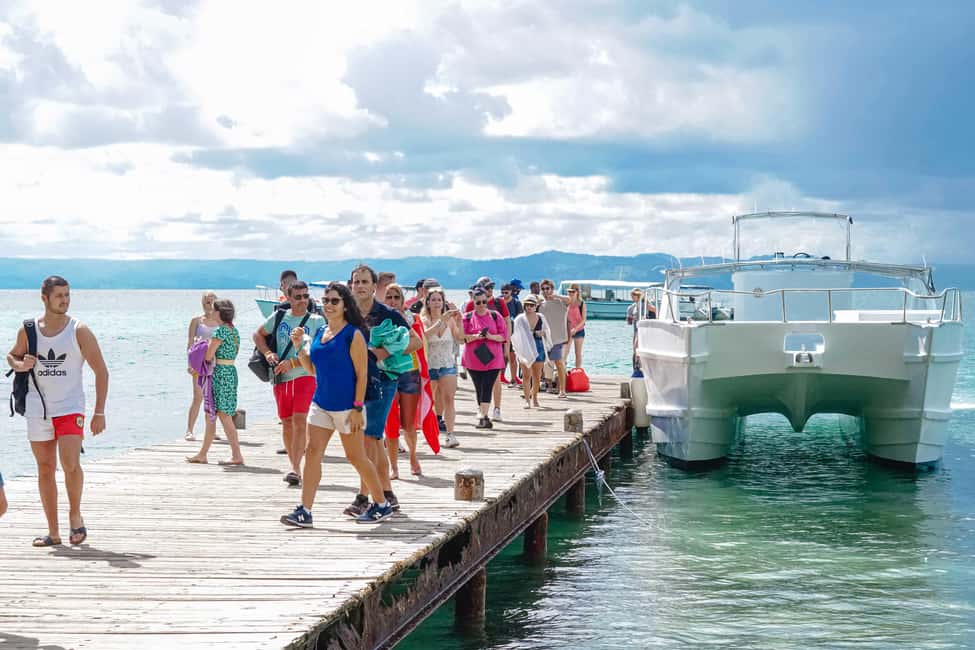
Bring what you actually need for sun, water, and boat movement. The tour list is solid, and I’d follow it closely:
- Sunglasses
- Hat
- Swimwear
- Towel
- Water
- Comfortable clothes
- Sunscreen
- Camera (ideally something you can protect)
- A waterproof camera setup if you want whale shots without stress
Also, wear comfortable clothing and shoes that work for walking on the beach. You don’t want to fight wet sand and slippery steps after lunch.
One more practical thought: pack in a way that lets you grab essentials fast. Once you’re on the island and ready to swim, you’ll be glad you didn’t bury everything at the bottom of your bag.
Final Thoughts: Should You Book This One?
If your dream trip is seeing humpback whales during the right season and finishing with a proper beach day on Cayo Levantado, this tour is a strong pick. The value is real when you factor in transportation, park entry, meals, sunbeds, and a guide.
I’d book it if you:
- Are traveling in January to March
- Know you can handle boat movement
- Want a one-day plan that doesn’t leave you hungry or scrambling
I’d skip it if:
- You get seasick easily
- You can’t swim
- You fall into the listed unsuitability categories (pregnancy, back problems)
If you’re on the fence, be honest about your comfort level on the water and your expectations for whale behavior. You’re not buying a guaranteed spectacle. You’re buying a chance to be in the right place at the right time with the right support—and then to end the day on white sand with a Dominican lunch.
FAQ
How much does the Samaná Whale Watching and Bacardi Island tour cost?
It costs $160 per person.
How long is the tour?
The tour runs for 11 hours.
Where does the tour operate?
It’s in Samaná Province, Dominican Republic, starting from Bayahibe.
When is the tour available?
It is available from January to March.
Is whale watching guaranteed?
No. Whale watching depends on weather conditions, and sightings cannot be guaranteed.
What stops are included during the day?
You go whale watching in open waters, then you visit Cayo Levantado (also known as Bacardi Island) for lunch and beach time.
What meals and drinks are included?
The tour includes breakfast, lunch, and drinks on the beach.
What is included in the price?
Land and sea transportation, National park entrance fee, breakfast and lunch with drinks, sunbeds, and a guide.
What languages are the guides available in?
The live tour guide is available in Italian, Spanish, English, German, and French.
What should I bring and what is not allowed?
Bring sunglasses, hat, swimwear, towel, camera, sunscreen, water, and comfortable clothes. Smoking and feeding animals are not allowed.
Is there free cancellation?
Yes. You can cancel up to 24 hours in advance for a full refund.