REVIEW · LA ROMANA
Bayahibe Countryside Safari from La Romana
Book on Viator →Operated by Runners Adventures · Bookable on Viator
Sugarcane day beats the beach. This 8-hour Bayahibe-area safari from La Romana mixes country work and town culture, including sugarcane harvesting to rum, a school and village stop, and a visit to Nuestra Sra. de Altagracia Catedral. I like two things most: the sugarcane-to-rum learning and the Anamuya Mountain buffet lunch with panoramic views. My only caution is timing—the day starts early, so you need to be up and ready before you’re fully awake.
What makes this tour practical is that it runs like a full day with fewer loose ends. You get hotel pickup and drop-off, a professional guide, beverages plus bottled water, and a buffet lunch—so you’re not scrambling for food or directions once you leave La Romana. The group is capped at 31, which keeps it social without feeling like a moving bus terminal.
You’ll also get a nice “people to place” contrast. Rural stops bring you close to what locals grow and do, and then the schedule shifts into Dominican crafts and faith, including learning how Dominican cigars are made before heading to the cathedral. If you want a structured day off the sand that still feels real, this one fits.
In This Review
- Key highlights worth your attention
- Why this sugarcane-to-rum safari is more than a bus ride
- Getting there: 7:30am pickup and an 8-hour rhythm
- Sugarcane fields and the rum connection you can actually picture
- A local school and village visit: fruit, coffee, cacao, and real daily life
- Anamuya Mountain buffet lunch with views that justify the early start
- Cigars and craft: what you learn before the cathedral stop
- Value for $85: what you’re really paying for
- How the day might feel in real life
- Who should book this safari (and who should skip it)
- Should you book the Bayahibe Countryside Safari from La Romana?
- FAQ
- How long is the Bayahibe countryside safari from La Romana?
- What time does the tour start?
- What’s included in the price?
- Do I need to bring lunch or drinks?
- How big is the group?
- What stops are included besides the countryside?
- Is this tour good for families?
- How far in advance should I book?
- What is the cancellation policy?
Key highlights worth your attention
- Sugarcane to rum education in the middle of real fields and farm work
- School and village visit with a chance to sample local fruits, coffee, and cacao
- Anamuya Mountain buffet lunch with views that make the early start feel worth it
- Cigar-making stop that explains how the craft works before you move on
- Nuestra Sra. de Altagracia Catedral as a strong cultural finale
Why this sugarcane-to-rum safari is more than a bus ride
Most beach days are about rest. This day is about context. You leave La Romana and spend the morning and early afternoon in the countryside outside Bayahibe, where sugarcane isn’t a symbol on a bottle—it’s tall stalks, active harvesting, and the chain of work that leads to rum.
The best part is that the tour doesn’t just point at things. It links the steps: how sugarcane is grown, how it’s harvested, and how it’s processed into products for export, including Dominican rum. That step-by-step flow makes the country feel understandable instead of like a blur of photos.
Then you get a cultural “left turn” at the end. The schedule keeps things from turning into a single-theme lecture by adding a school and village experience, learning about cigars, and finishing with a cathedral visit. It’s not random. It’s a day built around how Dominican life connects—work, craft, and community.
You can also read our reviews of more tours and experiences in La Romana
Getting there: 7:30am pickup and an 8-hour rhythm
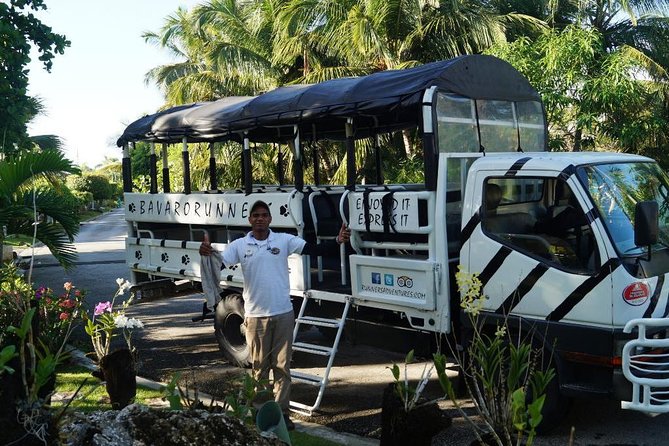
Start time is 7:30am, and pickup is offered from La Romana hotels. In practice, that means you should set your alarm with extra padding. You’re going to be on the road early, and you’ll likely spend more time traveling than you expect—this is an 8-hour tour, after all.
The good news: the transport is described as a comfortable vehicle, and the day is paced with real stops rather than nonstop driving. You’ll have a professional guide, bottled water, and beverages, which helps you stay comfortable through the day.
Also note the group limit: up to 31 travelers. That size is big enough to meet other people easily, but small enough that you shouldn’t feel lost in a crowd. If you prefer quieter tours, this is a middle ground—less intimate than a private excursion, but not a mega-tour either.
Sugarcane fields and the rum connection you can actually picture
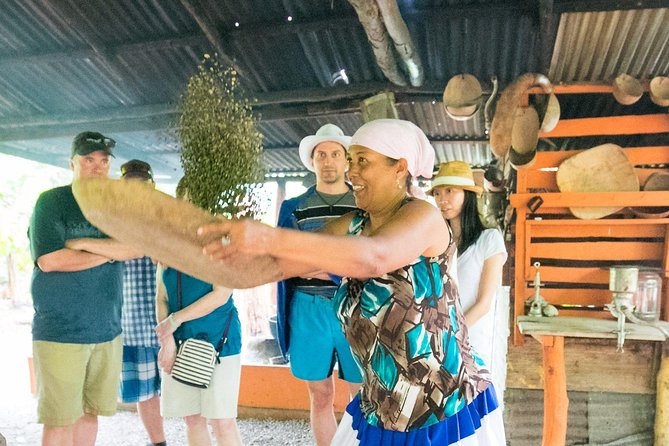
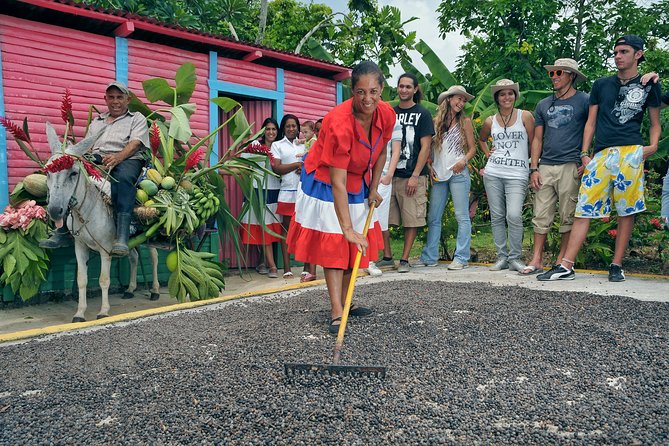
This safari’s core is Dominican agriculture, specifically sugarcane. You’ll arrive in a rural area dotted with sugarcane fields and meet local people while learning how sugarcane moves from field to factory output.
What you’ll take away is a clearer mental map of the rum story. The tour focuses on the actual sequence: planting and growing, harvesting, and then processing into products for export. Even if you don’t remember every detail, you’ll come away with something useful: why the rhythm of work matters and how the finished rum connects to real farm labor.
If you’re the type who likes to understand what you’re tasting later, this stop pairs well with any rum you try during your trip. You won’t be starting from scratch—your guide’s explanation gives you the background for the bottle on your shelf.
Practical tip: wear breathable clothing and plan for sun. Rural stops often mean waiting outdoors between moments of instruction, and you’ll want to stay comfortable for photos and conversation.
A local school and village visit: fruit, coffee, cacao, and real daily life
After the sugarcane focus, the schedule shifts toward people and everyday life. You’ll stop by a local school and a small village, which is a different kind of “learning.”
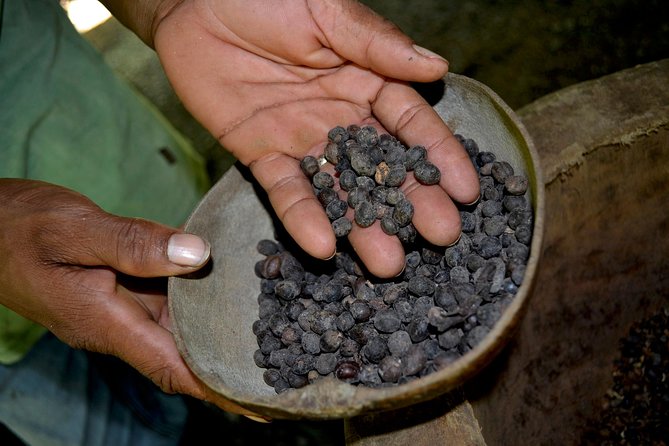
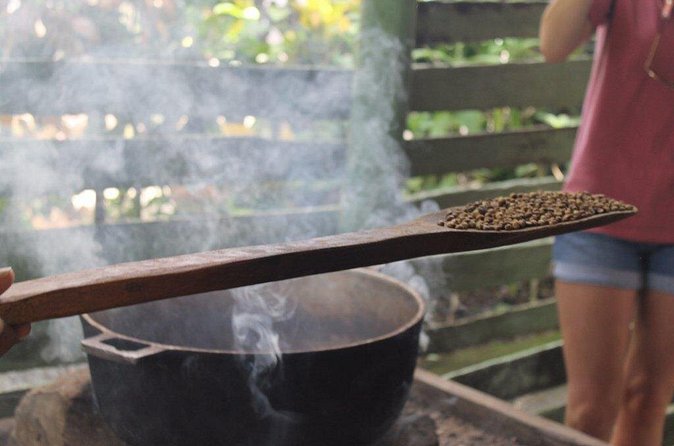
This part matters because it turns agriculture into human scale. Instead of only seeing production, you get a glimpse of community spaces and the kinds of products that show up in local diets and markets. You can also sample locally grown items such as tropical fruits, coffee, and cacao. That tasting element is simple but powerful—it lets you experience the flavors that come from the land you just saw.
The school and village stop also makes the day feel less like sightseeing. You’re not just consuming attractions. You’re meeting the world that lives alongside them.
A small consideration: school visits can be more emotional than typical tourist stops. If you’re sensitive about that kind of experience, take it slowly and stay respectful in how you observe and photograph.
Anamuya Mountain buffet lunch with views that justify the early start
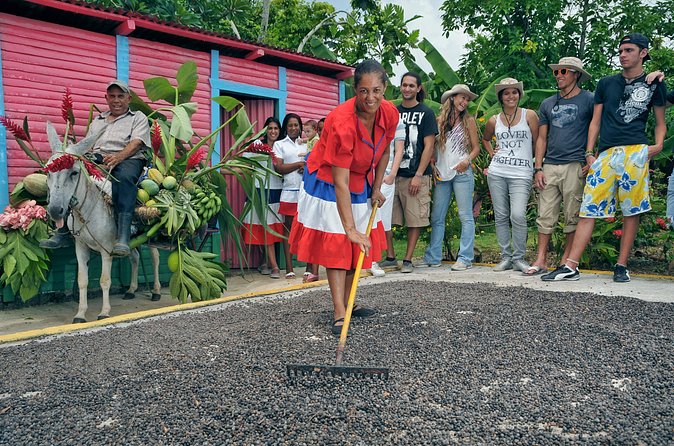
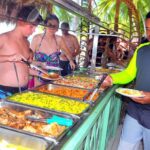
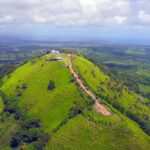
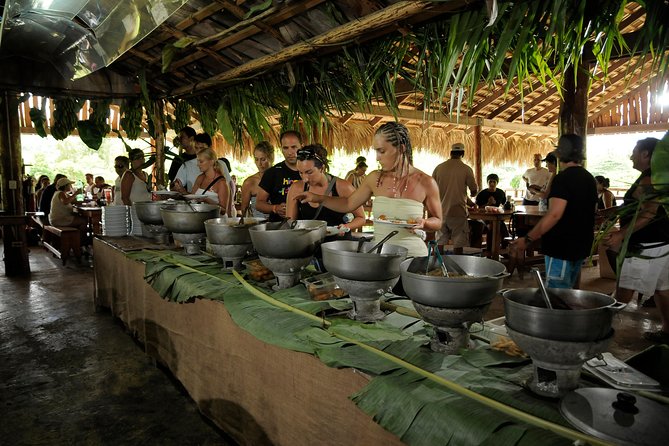
Lunch is served as a buffet, and it’s tied to a mountain viewpoint at Anamuya Mountain. The tour description specifically calls out traditional Dominican food with panoramic views, so this isn’t just a meal stop. It’s a break in the day that gives you air, height, and a wider view of how the countryside sits beyond the fields.
A buffet is usually a practical choice on tours: you can eat at your own pace and pick what looks most appealing. Here, it also helps because the rest of the day includes tastings (fruits, coffee, cacao). You’re building a “food story,” and lunch becomes the main chapter.
What I like about this setup is that it protects your energy. A mountain lunch stop means you can recharge, hydrate, and reset before the final cultural sequence.
Practical tip: keep your camera handy, but also keep water handy. You’ll likely want to enjoy the views without rushing, and hydration helps on sunny days.





Cigars and craft: what you learn before the cathedral stop
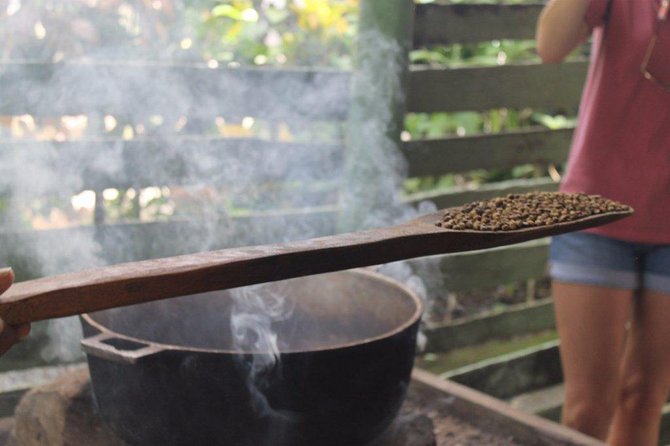
Before the cathedral visit, the schedule includes learning how Dominican cigars are made. This is a nice pacing choice. By the time you reach the cigar-making explanation, the day has already covered agriculture and community. Now you see another bridge between work and export: craft production.
The value here is understanding process. Cigars can feel mysterious if you’ve only seen them boxed and branded. When a guide explains how they’re made, you’re not just observing an object—you’re learning the steps behind the final product. It’s also a culture stop that doesn’t require you to be a historian. You can just follow along and ask questions.
Then you head to Nuestra Sra. de Altagracia Catedral. That final stop gives the day emotional variety—religion and community space after rural work and industrial craft. It’s a good ending point because cathedrals often anchor your sense of place. Even if you don’t linger long inside, the stop helps you connect the dots between Dominican daily life and major cultural landmarks.
Value for $85: what you’re really paying for
At $85.00 per person for about 8 hours, this is priced like a full guided excursion rather than a short add-on. The best way to judge value is to look at what’s included.
You get:
- hotel pickup and drop-off in La Romana
- a professional guide
- bottled water plus beverages
- a buffet lunch
- multiple structured stops: sugarcane learning, school and village, mountain lunch, cigar-making lesson, and a cathedral visit
That package matters because the biggest cost on day trips isn’t only admission. It’s transport time, guide time, and organizing a sequence of places that actually makes sense together. Here, the tour is built as a route, not a collection of random stops.
Also, with a maximum group size of 31, you’re paying for a guided experience with some breathing room. It’s not a private tour price, but it’s also not a barebones “here’s the bus” situation.
Who gets the best value? People who want a contrast day—something beyond the resort bubble—without planning or driving themselves. If that sounds like you, this price is easier to justify.
How the day might feel in real life
This is a full-day outing with a lot of topics in one run. You’ll move from agriculture to community spaces to food to craft to cathedral. That can be great, or it can feel packed, depending on your travel style.
If you like variety and don’t mind being on the go, you’ll probably enjoy the momentum. If you prefer slow travel with long free time, you may wish you had booked something with more downtime.
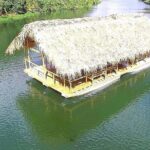
One more thing: some optional or additional elements may show up depending on how the day is arranged. For example, one highlight mentioned in feedback is a brief Chavón River cruise early in the experience. If that’s something you care about, it’s worth asking the operator when you confirm your pickup details.
Who should book this safari (and who should skip it)
This tour is a strong fit for:
- couples who want an active, culture-forward alternative to another beach day
- families with older kids who can handle a full day out (children must be accompanied by an adult)
- anyone curious about how Dominican products connect—from sugarcane to rum and from craft production to export
It might be less ideal if:
- you hate early mornings
- you want lots of free time to wander on your own
- you prefer deep, single-topic experiences rather than a mixed route
If you’re the kind of person who likes to come home with more than photos—something you can explain to friends—this safari-style format tends to work well.
Should you book the Bayahibe Countryside Safari from La Romana?
If you want an organized, guided day that mixes Dominican agriculture, food, community, and a major cultural landmark, I’d book it. The sugarcane-to-rum learning plus the mountain lunch views make it feel like more than a check-the-box tour, and the included pickup and lunch reduce the hassle.
I’d hesitate only if your priority is pure relaxation, because this is a long day that starts at 7:30am. But if you’re traveling to see more than resort scenery, this is a solid value use of time.
If you do book, go in with the right mindset: this is a process-focused day. Ask questions, slow down for the tastings, and enjoy the fact that you’re learning how the country works—not just how it looks.
FAQ
How long is the Bayahibe countryside safari from La Romana?
It runs about 8 hours.
What time does the tour start?
The start time is 7:30am, with hotel pickup offered in La Romana.
What’s included in the price?
The tour includes beverages, bottled water, a buffet lunch, a professional guide, and hotel pickup and drop-off.
Do I need to bring lunch or drinks?
No. Lunch is provided as a buffet, and beverages plus bottled water are included.
How big is the group?
The tour has a maximum of 31 travelers.
What stops are included besides the countryside?
You’ll visit a local school and village, stop at Anamuya Mountain for lunch, learn how Dominican cigars are made, and visit Nuestra Sra. de Altagracia Catedral.
Is this tour good for families?
Children must be accompanied by an adult. Most travelers can participate.
How far in advance should I book?
On average, this is booked 6 days in advance.
What is the cancellation policy?
You can cancel for a full refund up to 24 hours before the experience starts. Free cancellation is offered within that window.