REVIEW · PUNTA CANA
Group Surf Lessons Punta Cana– Fun, Easy & Beginner-Friendly
Book on GetYourGuide →Operated by Macao Surf Camp · Bookable on GetYourGuide
Macao Beach makes surfing feel possible. You get a convenient hotel pickup and a guided route straight to Macao Beach, then jump into a focused surf lesson designed for true first-timers. The pace is casual, the instruction is hands-on, and the setting is pure Punta Cana.
My favorite part is the small-group setup. You’re capped at a maximum of 3 students per instructor (and the total group stays small), so you’re not just watching others do it. You also get real coaching on the basics—balance, paddling, and wave-catching—plus on-the-water support that helps you get back out for another go.
One thing to consider: the session is short. If you nail the rhythm quickly, you may still want more time once the 2 hours at the beach are over, and pickup timing can be a bit tight.
In This Review
- Key reasons this Macao Beach surf lesson works
- Entering Macao Beach: Why this surf spot fits beginners
- Price and value: What $115 buys you in real learning time
- Pickup in Punta Cana: Faster start, less stress, fewer decisions
- What happens before you touch the board
- Onshore skills: Balance, paddling, and the timing nobody teaches at home
- In the water: How the lesson keeps you safe and progressing
- Small-group coaching: Why max 3 students per instructor matters
- Gear and what to bring so the day stays easy
- Morning vs afternoon sessions: Picking the right moment
- Extras: Photos, videos, and beach-side comfort
- Instructor support and languages: Get clarity fast
- Who should book this Macao Beach surf lesson
- Should you book? My practical take
- FAQ
- How long is the surf lesson?
- Do I get hotel pickup and drop-off?
- What’s included in the price?
- What languages are the instructors available in?
- Is this lesson suitable for complete beginners?
- What should I bring with me?
- Can I choose a morning or afternoon session?
Key reasons this Macao Beach surf lesson works
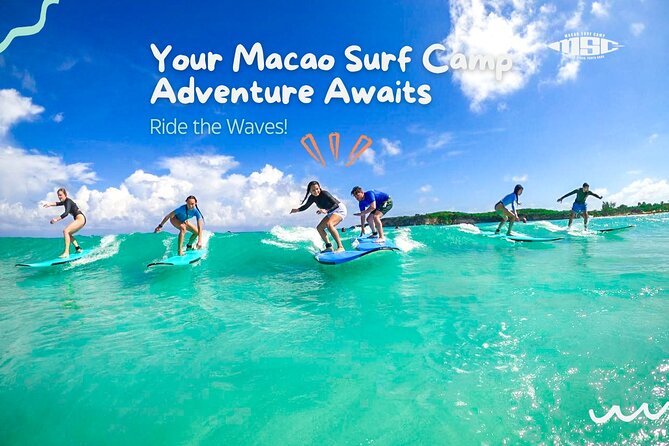
- Max 3 students per instructor so you get coaching, not crowd control
- Macao Beach has learning-friendly waves, plus bigger ones for improving surfers
- All gear included (surfboard + rash guard), so you travel light
- Hotel pickup and drop-off from Bávaro, Uvero Alto, Punta Cana, and Macao areas
- Multi-language instruction options including English, Spanish, Italian, Russian, and Ukrainian
- Extras on site like coconut water on request, and photos/videos for purchase
Entering Macao Beach: Why this surf spot fits beginners
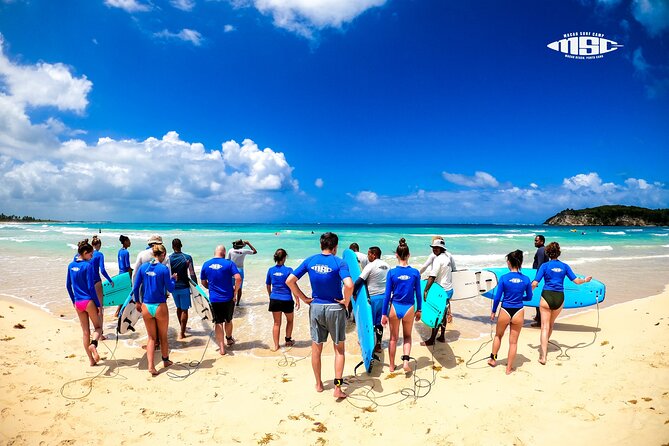
If you’re staying in Punta Cana and you want one activity that feels both sporty and beachy, Macao Beach is a smart choice. It’s the kind of coastline that makes sense for a lesson: you’re not stuck in a pool-like calm zone, but it’s also not a chaotic free-for-all for people who’ve never stood on a board before.
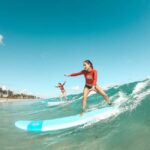
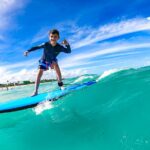
What you’ll notice when you arrive is how the day is structured around learning. The instructors guide you through the basics first, then shift you into the water with support so you can try, fall, reset, and try again. One review highlighted that the beach area has a quieter section for learning, while more skilled surfers can access larger waves later. That matters because beginners don’t need one giant leap—they need reps.
Even if you’re nervous, this kind of environment helps you trust the process. You’re not doing surfing “blind.” The goal is simple: feel the board, learn paddling and balance, and catch at least enough waves to understand how it all clicks.
You can also read our reviews of more tours and experiences in Punta Cana

Price and value: What $115 buys you in real learning time
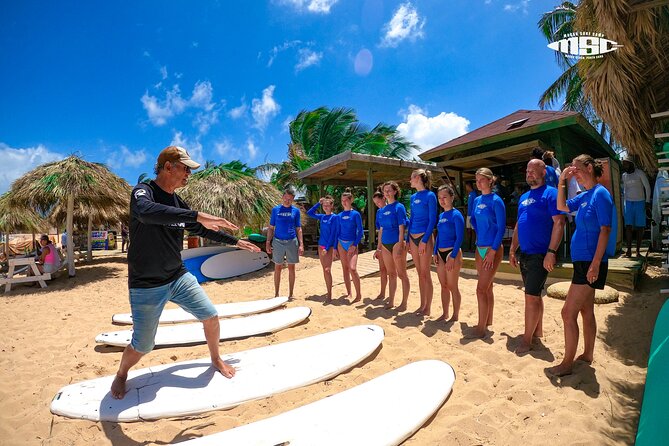
At $115 per person for a 2-hour surf lesson, the value comes down to two things: time in the water and how much attention you get while you’re there.
Here’s what’s included:
- Hotel pickup and drop-off
- Group lesson
- Professional instructor
- Surfboard and rash guard
- Coconut water or bottled water upon request
That’s important because surfing can get expensive fast if you’re renting gear, paying for instruction, and then dealing with transport on your own. With this setup, you’re paying for the experience as a package: logistics are handled, equipment is provided, and the instruction is built for beginners.
Also, because the lesson is small-group (up to 10 participants overall and max 2–3 students per instructor), you’re far more likely to get quick corrections. In practical terms, that can save you from the classic beginner loop: you paddle a little, you stand at the wrong time, you fall, and no one adjusts your timing.
Could it be more expensive if you add photos/videos? Yes. But those are optional. If you’re mainly here to learn, you can keep spending under control.
Pickup in Punta Cana: Faster start, less stress, fewer decisions
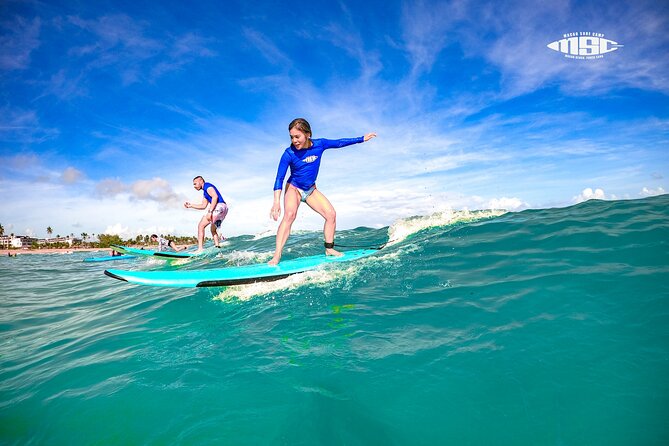
One reason I’d steer you toward a lesson with pickup is that you can stop doing vacation math. You don’t have to arrange taxis, locate a beach meeting point, or worry about how long transfers take.
This one offers four pickup options around the Punta Cana area: Bávaro, Punta Cana, Uvero Alto, and Macao. After the lesson, there are four drop-off options matching those zones. That flexibility helps if you’re staying at a resort, a villa, or an Airbnb.
When you book, you’ll be asked for your room number (for resorts) or exact address (for villas/Airbnbs). Then you get your precise pickup point, which might be the resort main gate, lobby entrance, or a designated pickup zone. You’ll know what to look for: a driver with your name on the list.
The ride to Macao Beach is listed at about 30 minutes. That’s short enough that you won’t feel like the day got eaten by transit, but long enough that you arrive properly set to surf, not still half-asleep.
What happens before you touch the board
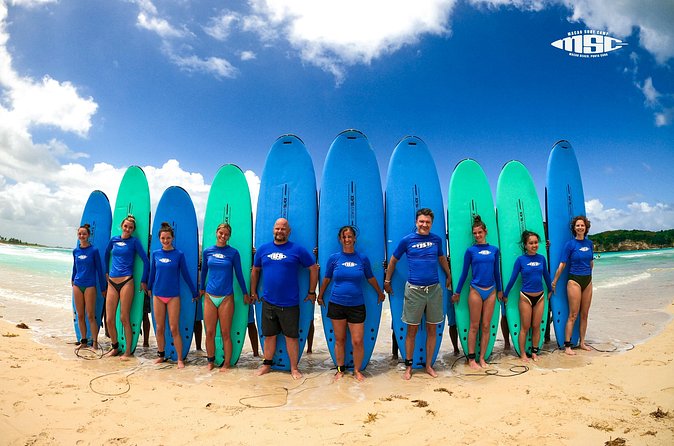
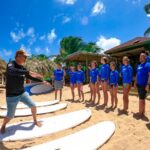
The sequence is pretty clear and beginner-friendly. You start with the pickup, then head to the beach. Once you arrive, you meet your instructor and get your equipment, including a surfboard and rash guard.
Then comes the part that makes or breaks a first lesson: the onshore coaching.
You’ll get a quick lesson covering:
- balance basics
- paddling technique
- how to position yourself to catch a wave
This isn’t just theory. It’s usually the difference between standing up immediately versus figuring out the small body mechanics that help you stand at the right moment. If you learn those cues on land, you’ll understand what you’re trying to do once you’re in the water.
One practical tip that comes through from the way the experience is run: the instructors set you up so you can repeat attempts. That means you’re not stuck waiting around—when you’re ready, you go back out and try again.
Onshore skills: Balance, paddling, and the timing nobody teaches at home
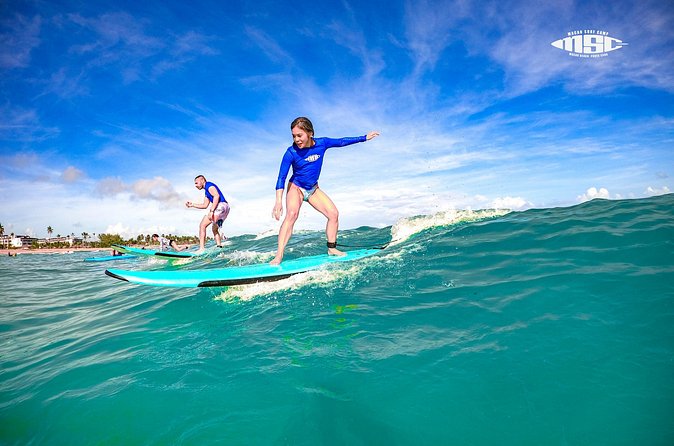
Surf lessons often fail because they skip the basics or rush them. This lesson focuses on the core moves that help you progress even if you’re starting from zero.
Think of it as three learning blocks:
Balance
You learn how to stay stable on the board and how to position your body. This matters because beginners typically try to stand with too much tension or they shift weight too late. If your stance is off, every attempt feels harder than it should.
Paddling
You’ll learn how to paddle efficiently so you can get into position. Many first-timers tire out quickly, then can’t catch anything. Better paddling helps you conserve energy and ride more consistently.
Wave-catching technique
This is the timing piece: when to get up, where to look, and how to move with the wave instead of fighting it.
Even if you don’t fully master it during the session, the advantage is that you leave with a mental checklist. Next time you’re on a board, you’ll know what to focus on instead of guessing.
And yes, you’ll probably fall. That’s normal. The key is that the lesson is designed to keep you trying, not freezing you out after the first wipeout.






In the water: How the lesson keeps you safe and progressing
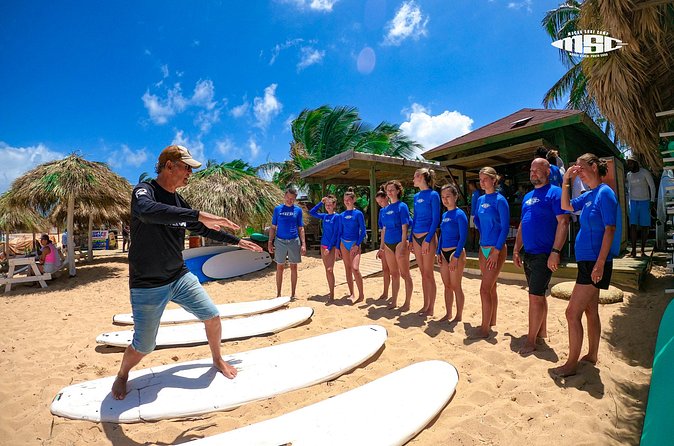
Once you’re in the water, you’ll be under the instructor’s watch. The experience is set up for beginners, which means you’re not thrown into the deep end with zero support.
A standout point from a detailed review: the instructor-to-student ratio was described as extremely close, with additional helpers assisting you with paddling your board back out so you can get another round. That kind of practical help reduces frustration and helps you focus on technique instead of wrestling the board.
There’s also the learning-wave logic. One review specifically noted a section with quieter waves for learning and larger waves for anyone who had developed more skill for their next attempt. That’s a smart way to keep everyone challenged without forcing beginners to “man up” on day one.
You’ll get chances to practice:
- paddling out
- positioning for waves
- popping up when the wave timing lines up
The goal is not perfection. It’s to leave with the sensation of catching a wave and a clearer understanding of what to repeat next time.
Small-group coaching: Why max 3 students per instructor matters
The difference between a surf lesson that feels fun and one that feels chaotic usually comes down to group size.
This one is capped at a maximum of 3 students per instructor. That’s the kind of limit that actually changes how the lesson feels. You’re more likely to get quick adjustments—tiny changes to stance, paddling, or timing—when it matters most.
When group sizes get larger, instructors have to split attention. You end up waiting or guessing. Here, the structure supports fast feedback.
You’ll also see how that affects your confidence. If you feel like someone is watching you and helping you correct mistakes, you’ll try more. And in surfing, trying is half the lesson.
Gear and what to bring so the day stays easy
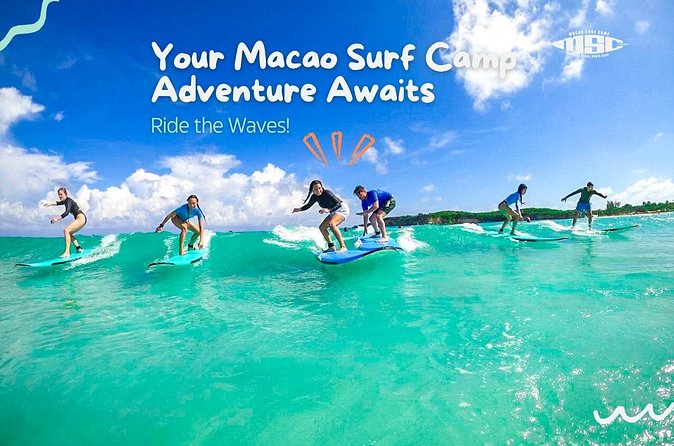
Good gear makes the first session smoother. You don’t have to shop or rent anything ahead of time because the surfboard and rash guard are provided.
Still, you should show up ready for beach sun and water time. Bring:
- swimwear
- towel
- sunscreen
- cash
The cash part is practical: photos and videos are available for purchase, and lunch can be purchased at the beach. If you want those extras, having cash helps you avoid scrambling once you’re already wet and sandy.
Also, sunscreen is a must. Even with short sessions, you’re outdoors and reflecting off the water. If you’re prone to burning, pack extra protection and reapply when appropriate.
Morning vs afternoon sessions: Picking the right moment
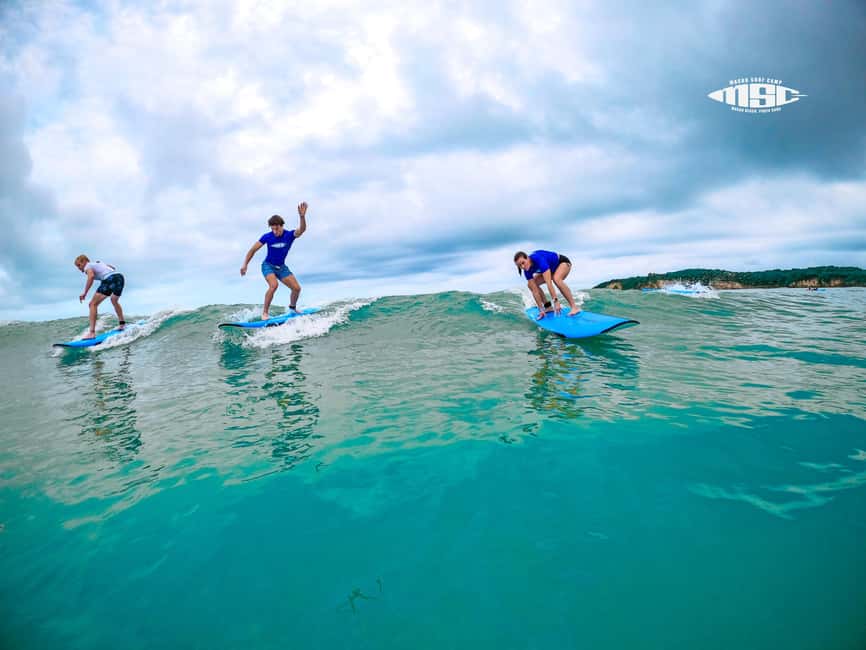
The lesson offers a choice of a morning or afternoon session to fit your schedule. The “best” time depends on your energy level and how the day is planned around the rest of your stay.
If you’re the type who wants to get active early, a morning surf can be a great anchor activity. You’ll have the rest of the day after, and you’ll start feeling like you’re living in vacation mode.
If you prefer a slower start, the afternoon session can work well too. Just keep in mind that you’ll want a little time after surfing to dry off, shower, and settle back into your resort.
Either way, the lesson duration at the beach is listed as 2 hours, with pickup and travel time added.
Extras: Photos, videos, and beach-side comfort
Surf lessons are fun even without documentation, but it’s smart to know what’s available.
You can purchase:
- photos
- videos
One review also mentioned a photographer named Rodolfo, and described him as very good and also knowing surf. That’s exactly what you want if you’re paying to capture action shots—you want someone who understands where to stand and how the waves move.
You can also request:
- coconut water or bottled water
And if you get hungry, lunch is available for purchase at the beach.
If you’re budgeting, decide ahead of time whether you want media or food during the session. It’s easy to overspend on vacation, so a simple plan helps.
Instructor support and languages: Get clarity fast
The instruction is led by professional instructors, and language options are listed as English, Russian, Italian, Spanish, and Ukrainian. That’s useful if you want to understand the technique cues clearly without language friction.
One review specifically praised an instructor named Guillermo for teaching quickly. Another review tied in equipment and guidance plus a photography add-on. These details point to the same theme: the team handles both the learning and the little extras so you don’t have to manage the day yourself.
Even if you don’t speak the same language as your instructor, surf technique relies heavily on demonstration. Still, having language options makes the explanations easier to absorb.
Who should book this Macao Beach surf lesson
This lesson fits best if you’re:
- a complete beginner who wants structure
- someone who prefers small-group attention
- a vacationer who doesn’t want the hassle of transporting gear or finding a meeting point
It’s also a nice choice if you’re traveling with someone else but want a guided, social atmosphere rather than a private lesson.
Who might consider something else:
- If you already surf regularly and want a long session or advanced coaching, 2 hours may feel short.
- If your schedule is extremely tight, keep in mind that pickup timing depends on your exact pickup point and the session slot.
For most first-timers, though, this is a practical way to try surfing without turning it into a stressful project.
Should you book? My practical take
If you want a surf experience that’s beginner-ready, well organized, and focused on actually getting your turns in, this Macao Beach lesson is an easy yes.
Book it if you care about:
- hotel pickup and drop-off that removes logistics stress
- a true beginner pace with small-group limits
- coaching on balance, paddling, and wave-catching
- included gear so you can travel lighter
Skip or rethink it if you’re looking for a long surf adventure, advanced technique training, or you’re extremely photo/video focused and don’t want extra spending.
If flexibility matters, the experience offers free cancellation up to 24 hours in advance and a reserve-now-pay-later option, which makes it easier to fit into a Punta Cana itinerary without locking yourself in too early.
FAQ
How long is the surf lesson?
The surfing portion is listed at 2 hours.
Do I get hotel pickup and drop-off?
Yes. Pickup and drop-off are included, with options in Bávaro, Punta Cana, Uvero Alto, and Macao.
What’s included in the price?
The price includes a group lesson, a professional instructor, hotel pickup and drop-off, a surfboard, a rash guard, and coconut water or bottled water upon request.
What languages are the instructors available in?
Instructors are listed as available in English, Russian, Italian, Spanish, and Ukrainian.
Is this lesson suitable for complete beginners?
Yes. It’s designed as a fun, safe, beginner-friendly lesson focused on balance, paddling, and wave-catching.
What should I bring with me?
Bring swimwear, a towel, sunscreen, and cash.
Can I choose a morning or afternoon session?
Yes. You can choose either a morning or afternoon session based on availability.