REVIEW · SHOPPING TOURS
Learn How to Make Chillo al Coco & Taino Concept Store
Book on Viator →Operated by Oliver Lab - Rum Experience, by Taino Gourmet · Bookable on Viator
Cooking snapper with coconut is surprisingly fun. In Punta Cana, this hands-on class teaches Dominican and Taino recipes, then you sit down and eat what you make with drinks and tastings included. It’s not just a show and it’s not just dinner.
I love the small-group feel (up to 20 people) and the step-by-step coaching that helps even people who don’t cook much finish a real, edible meal. I also like that you get practical take-home know-how, not vague food talk.
One thing to consider: the end-to-resort timing can run a bit slow. If you’re stuck on resort schedule, you might feel the wait before the return van.
In This Review
- Key Things I’d Focus On
- Why This Cooking Class Feels More Like a Real Evening Than a Tour
- Getting To the Class in Punta Cana (Pickup, Meeting Point, and Real Timing)
- From Tastings in the Taino Concept Store to the Back-Room Cooking
- The store stop: flavors before you cook
- Moving to the cooking room
- The Hands-On Part: Making Chillo al Coco and More
- What you’ll likely cook (based on how sessions run)
- Chefs and teaching style
- The Meal: Sit Down, Eat Together, and Actually Taste the Results
- What’s included at the table
- Bring-Home Value: Recipes You Can Recreate (Not Just a Memory)
- Price and Value in Plain Numbers
- Who Should Book This Cooking Class (and Who Might Skip It)
- Quick, Practical Tips Before You Go
- Should You Book Chillo al Coco & the Taino Concept Store?
- FAQ
- Where does the tour start in Punta Cana?
- What time does the experience begin?
- How long is the cooking class?
- Is hotel pickup offered?
- What will I learn and eat?
- What’s the maximum group size and is it family-friendly?
- Is there a refund if plans change?
Key Things I’d Focus On
- Chillo al coco with red snapper and coconut sauce (the main event)
- Taino Concept Store tastings first, including chocolate, coffee, tea, mamajuana, and rum
- Hands-on instruction with chefs such as Rudy and Ruth (and more, depending on your date)
- Beverages during class, with wine or beer mentioned in multiple sessions
- Extra practical skills, like peeling yuka, plus sides such as avocado salad
- Maximum 20 travelers, so you get real attention while you cook
Why This Cooking Class Feels More Like a Real Evening Than a Tour
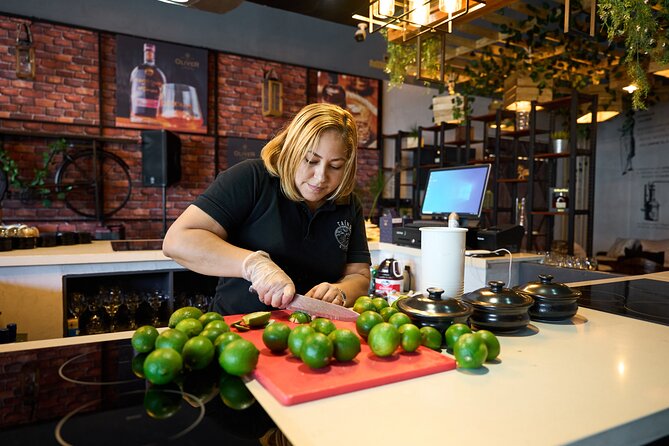
If you like Dominican food but you also like understanding how it’s built, this class hits the sweet spot. You’re learning why ingredients work together, not just copying a recipe on a printed sheet.
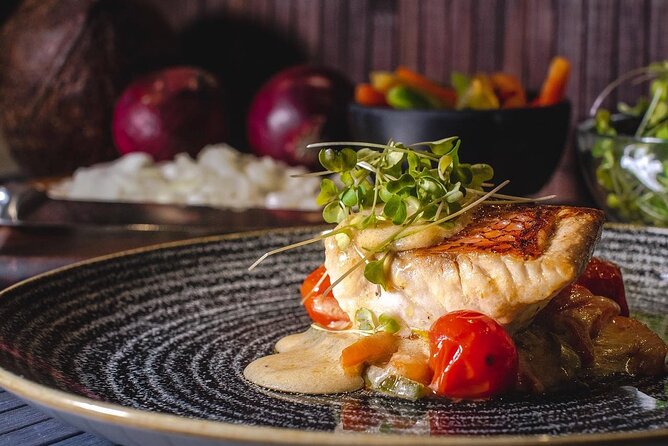
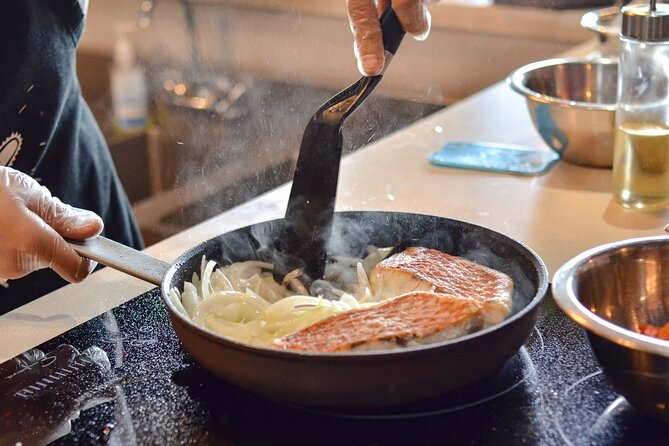
The star dish is chillo al coco: red snapper cooked with coconut sauce. It’s the kind of Dominican plate you’d normally expect at a friendly dinner with people you know. Here, you’re doing the cooking part yourself, then eating your results together.
And there’s another layer that makes it different. Before the cooking room, you spend time in the Taino Concept Store and sample items like chocolate and coffee. It turns the meal into something bigger than the food on your plate.
You can also read our reviews of more shopping tours in Dominican Republic

Getting To the Class in Punta Cana (Pickup, Meeting Point, and Real Timing)
This experience runs about 2 hours and starts at 1:00 pm. It’s a point-to-point format that ends back at the meeting point.
There’s also hotel pickup and drop-off in Punta Cana, so you’re not stuck figuring out local transport. In a few accounts, the drivers were described as safe too, which matters if you’re starting the day already tired from travel.
The practical part: after the class, you may have a little waiting time before you’re returned. One review specifically called out about an hour of downtime on the way back, which lines up with the idea that vans often bunch groups together. If you want a tight evening schedule, plan for some flexibility.
Meeting point:
Cormont Plaza IIHJP7+P47, Carretera Higüey – Miches, Punta Cana 23000, Dominican Republic
You’ll return there at the end.
From Tastings in the Taino Concept Store to the Back-Room Cooking
Most sessions flow like this: you arrive, you spend time in the gift-store area, then you move to the cooking space.
The store stop: flavors before you cook
You start with tastings that can include:
- chocolate
- coffee
- tea
- mamajuana
- rum
It’s a nice warm-up because you’re not only tasting food in isolation. You’re getting a sense of how Dominican producers think: strong coffee, deep chocolate, and local spirits like mamajuana show up in everyday life as much as in special occasions.
You’ll also have some time to look around. People mention shopping for items after the class too, which is useful if you want something to remind you of your day besides a photo.
Moving to the cooking room
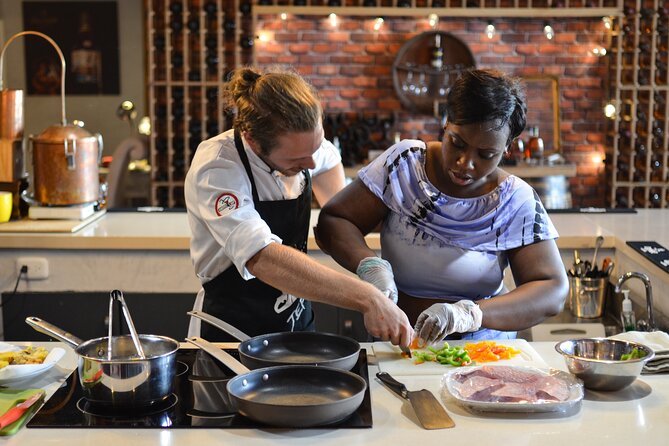
Then you go to the back room where the class happens. The vibe is more practical than formal. You’re in an actual kitchen setup, not a demo stage, and instructors guide you through the steps while you work.
You’ll see the emphasis on local basics: fish handling, sauce-building, and side prep. That matters because it’s how you end up with something you can reproduce later at home.






The Hands-On Part: Making Chillo al Coco and More
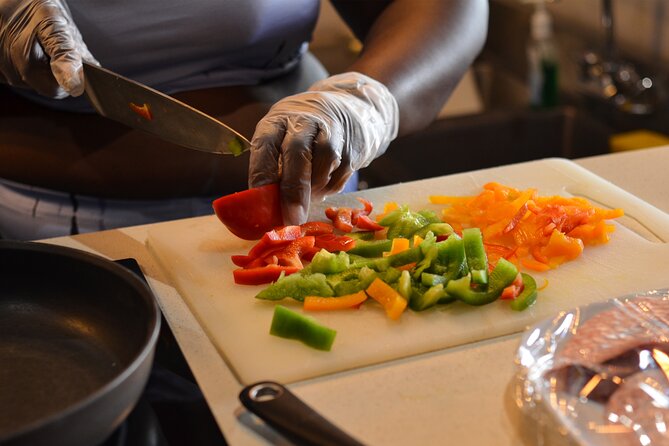
The class centers on chillo al coco. In plain terms: red snapper cooked with a coconut sauce.
You don’t just watch the fish cook. You’re taught how to handle ingredients and cook the dish so it comes out right.
What you’ll likely cook (based on how sessions run)
Across sessions, people describe cooking red snapper, plus sides such as:
- avocado salad
- learning practical prep skills like peeling yuka (a starchy root used in Dominican cooking)
You’ll also get real guidance on timing and technique. That’s the difference between a “tour” meal and a skill you can repeat. When you learn the steps yourself, you don’t have to guess later.
Chefs and teaching style
Instructors named in past sessions include Rudy, Ruth, Rose, Amelia, and others (names can vary by date). What stays consistent is a hands-on teaching approach.
One theme in feedback: the instructors are patient with first-time cooks. People who said they were new to cooking still finished a meal they enjoyed, which is exactly what you want from a class like this.
The Meal: Sit Down, Eat Together, and Actually Taste the Results
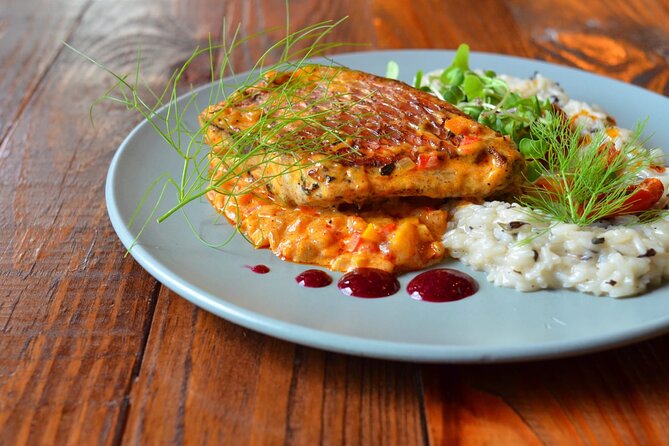
Once you’ve cooked, the experience shifts into the best part: a sit-down meal where you eat what you made.
This is where the “class” earns its keep. If the lesson didn’t end in a feast, you’d be left with half the fun. Here, you get to compare expectations to reality: does the coconut sauce taste like the Dominican version you’ve been hoping for? Does the fish come out right? Does the salad balance the plate?
What’s included at the table
You can expect:
- beverages and food tastings
- the meal you cooked
- drinks during the session, with wine or beer mentioned in multiple experiences
That combination helps you relax while you’re eating. You’re not “touring food.” You’re having dinner made by your own hands.
Bring-Home Value: Recipes You Can Recreate (Not Just a Memory)
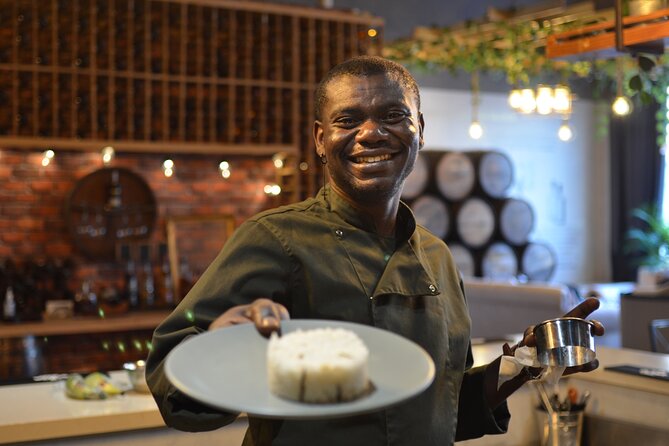
The experience is designed so you can learn Dominican and Taino recipes to take home and recreate. That’s a big deal for value, because you’re buying skills, not only a one-night meal.
And they lean into ingredients that feel doable. Several people noted that the items used were familiar enough to resemble what they might use at home. That doesn’t mean every ingredient is guaranteed to be easy to find locally, but the class focuses on what to look for and how to make the dish work.
One extra advantage: you get the chance to ask questions while you’re actively cooking. If you try a recipe later and you’re stuck, you’ll be relying on memory. Here, you can clear up confusion immediately.
Price and Value in Plain Numbers
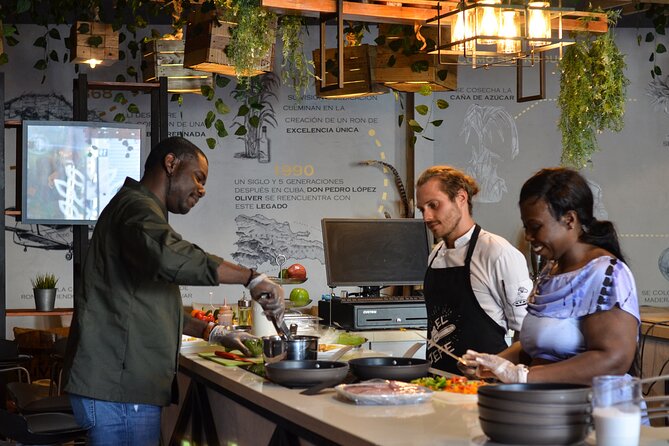
At $98 per person for about 2 hours, you might wonder if it’s pricey. Here’s how it stacks up logically:
You’re paying for:
- instruction in Dominican and Taino cooking
- a specific meal outcome (the chillo al coco dish and sides)
- beverages and food tastings
- hotel pickup and drop-off in Punta Cana (when that option applies)
- a small group size (maximum 20), which makes the teaching time more meaningful
If you were to do the “eat dinner + buy drinks” plan on your own, you’d still need to figure out transport and you’d get no recipe skills. If you take multiple excursions during a beach trip, this one is different because it produces both a meal and a takeaway skill.
Put simply: it’s not cheap, but it’s not just a meal ticket either.
Who Should Book This Cooking Class (and Who Might Skip It)
This class fits best if you:
- want an indoor excursion or a plan that isn’t only beach-and-sunscreen
- like food experiences where you actually do the cooking
- enjoy learning Dominican flavors and want a dish you can recreate later
- travel with friends or family who want something social without being loud or chaotic
You might not love it as much if you:
- have a super tight schedule and can’t tolerate any waiting time on the return
- expect a long multi-course gourmet event (the focus is the cooking lesson and the shared meal)
- hate fish-based cooking entirely, since the center dish is built around red snapper
For most people, though, it’s a sweet spot: fun, practical, and cultural in a way that’s measured in real food.
Quick, Practical Tips Before You Go
- Come hungry. Even with tastings, the meal you cook is the main event.
- Wear clothes you don’t mind getting a little kitchen-scented. You’re working in a cooking room.
- If you’re curious about ingredients like yuka or how the coconut sauce is built, ask while you’re cooking. That’s when the answers stick.
And if you’re the kind of person who loves to take home a “how-to,” you’ll appreciate the recipe learning focus.
Should You Book Chillo al Coco & the Taino Concept Store?
I think you should book it if you want more than dinner in the Dominican Republic. This is one of those experiences where the time makes sense: you learn a specific Dominican dish, you cook it with guidance, and you eat together right after.
It also has strong signs of consistency: near-perfect ratings, a repeatable flow (store tastings, cooking, shared meal), and instructors who can handle beginners. The only real downside I’d plan around is possible extra waiting on the way back.
If you’re in Punta Cana and you have a free afternoon, this is a solid use of $98.
FAQ
Where does the tour start in Punta Cana?
The start point is Cormont Plaza IIHJP7+P47, Carretera Higüey – Miches, Punta Cana 23000, Dominican Republic. The activity ends back at the meeting point.
What time does the experience begin?
It starts at 1:00 pm.
How long is the cooking class?
It lasts about 2 hours.
Is hotel pickup offered?
Yes, hotel pickup and drop-off in Punta Cana are included (when that option applies).
What will I learn and eat?
You’ll learn Dominican and Taino recipes and focus on making chillo al coco, which uses red snapper cooked with coconut sauce. The experience ends with a feast of the creations you make, and you’ll sit down with classmates to eat.
What’s the maximum group size and is it family-friendly?
The class has a maximum of 20 travelers. Children must be accompanied by an adult.
Is there a refund if plans change?
Free cancellation is available up to 24 hours in advance for a full refund. If you cancel less than 24 hours before the experience starts, the amount paid is not refunded.
If you want, tell me your travel month and whether you’re fish-friendly. I can help you decide if this is the best slot in your Punta Cana day.