REVIEW · PUNTA CANA
Punta Cana: Monkey Land Half-Day Safari and Plantation
Book on GetYourGuide →Operated by Runners Adventures · Bookable on GetYourGuide
Monkeys on your shoulder is the whole point. This half-day Punta Cana outing blends Monkeyland animal time with a hands-on Dominican plantation stop for coconut, coffee, and cacao tastings, plus mountain-and-village views along the way. You’ll often get a lively drive with local storytelling from guides like Emilio, Gregorio, and Sammy.
I especially like the up-close squirrel monkey interaction—trained to sit near you, eat from your hands, and even pose for photos. I also like the second half because it’s not just a quick look: you visit a typical home setup, learn how coconut oil is made at Casa del Coco, and try foods like roasted coffee, cacao, and fresh fruits (and you may even sample items like mamajuana when offered).
One drawback to consider: you may spend a chunk of your morning/afternoon riding to the site, and the transfer can be in open-air vehicles, so wind can be a factor. Also, the tour is not suitable for certain health conditions or pregnancy, and the team asks you not to wear sunscreen or insect repellent before the monkey interaction.
In This Review
- Key things worth knowing before you go
- Punta Cana Pickup and the Scenic Drive to Monkey Land
- Monkeyland Squirrel Monkeys: The 45-Minute Shoulder-and-Hands Experience
- Casa del Coco: A Typical Dominican House and Coconut Oil Lessons
- Coffee, Cacao, and Potential Mamajuana Tastings on the Plantation
- Photo Strategy and Souvenir Shopping Without Getting Sold To
- Safety Rules You Actually Need to Know (Sunblock, Bags, and Medical Limits)
- Price and Timing: Is $95 a Good Value for This Half-Day?
- Who Should Book This Punta Cana Safari and Plantation Tour?
- Should You Book Monkey Land Half-Day Safari and Plantation?
Key things worth knowing before you go
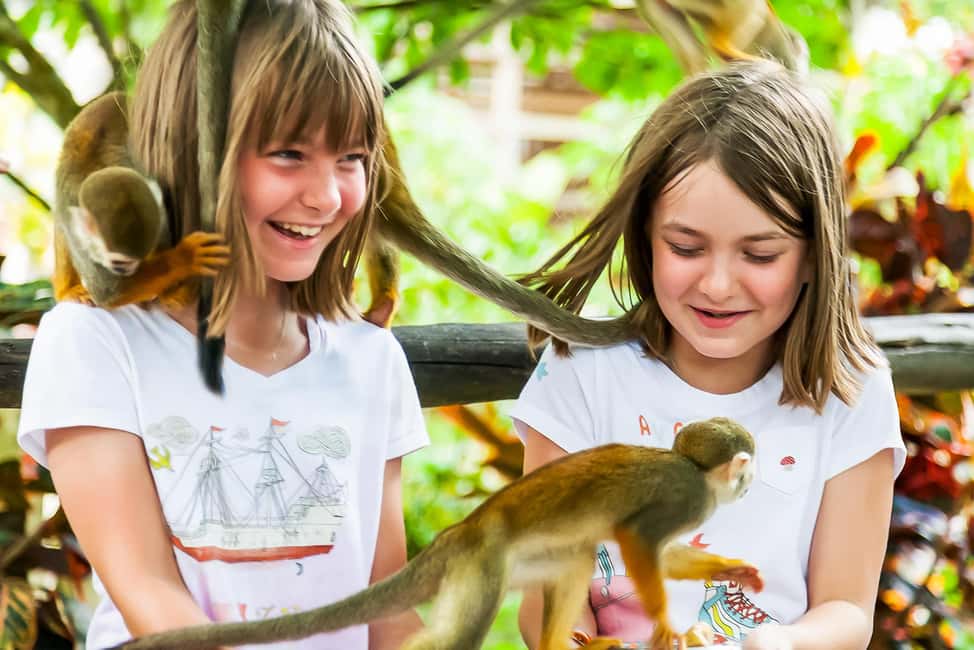
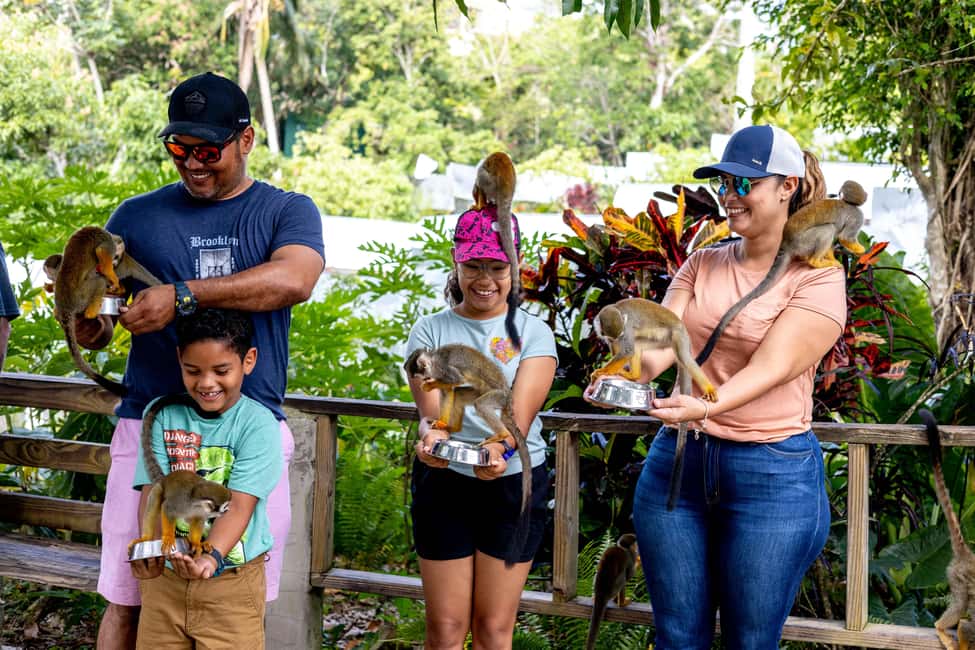
- Monkey time is real interaction: expect about 45 minutes getting close, including hand-feeding and shoulder moments.
- Monkeys are trained and guided: the program is run with years of animal-human training (including experience linked to the Toronto Zoo).
- Casa del Coco teaches coconut oil production and gives you edible tastings from the island.
- Coffee and cacao are shown step-by-step and you’ll get to sample different forms.
- Bring dark, practical clothes: the team may suggest you dress in ways you won’t mind getting messy for photos.
- Photo packages are optional: you can buy professional shots, but you’re also free to take your own.
Punta Cana Pickup and the Scenic Drive to Monkey Land
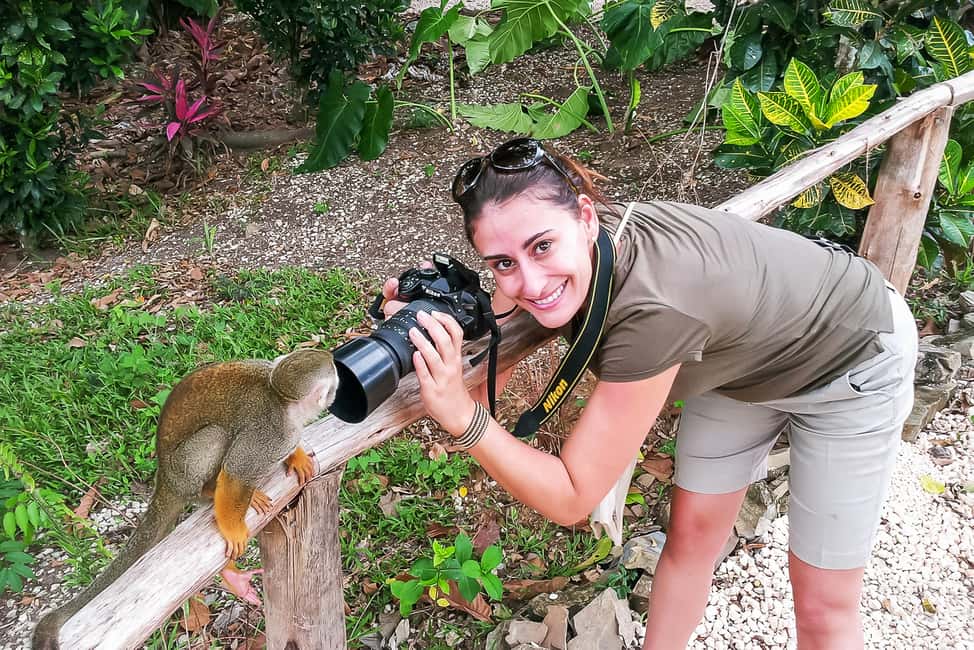
The day starts with hotel pickup in the Punta Cana, Bavaro, Macao, Uvero Alto, and Cabeza de Toro area. Morning pickup usually lands between 7:00 AM and 8:10 AM, with an afternoon option between 1:00 PM and 2:10 PM. The whole experience runs about 5 hours, so it’s a true half-day plan, not a full-day production.
Here’s the practical part: you’re riding out of the resort zone toward La Altagracia. Multiple guides in the program share local context on the drive—some focus on Dominican life, some sprinkle in the region’s broader history (one guide even covers DR and Haiti stories). That matters because it helps you see the plantation stop as more than a theme set.
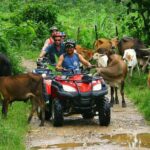
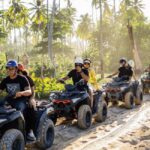
One thing to plan for is the vehicle feel. Some pickups are in open-air trucks or similar transport. If you’re sensitive to wind or you hate feeling tossed by road gusts, bring a light layer and sunglasses. It’s not about comfort perfection—it’s about preparing for the real-world drive time so you don’t spend the first hour annoyed.
You’ll also get the benefit of the scenery the route offers: Eastern mountain views and glimpses of local villages show up along the way. It’s a nice reminder that Punta Cana isn’t only beaches—this area has hills and rural life close by.
You can also read our reviews of more tours and experiences in Punta Cana
Monkeyland Squirrel Monkeys: The 45-Minute Shoulder-and-Hands Experience
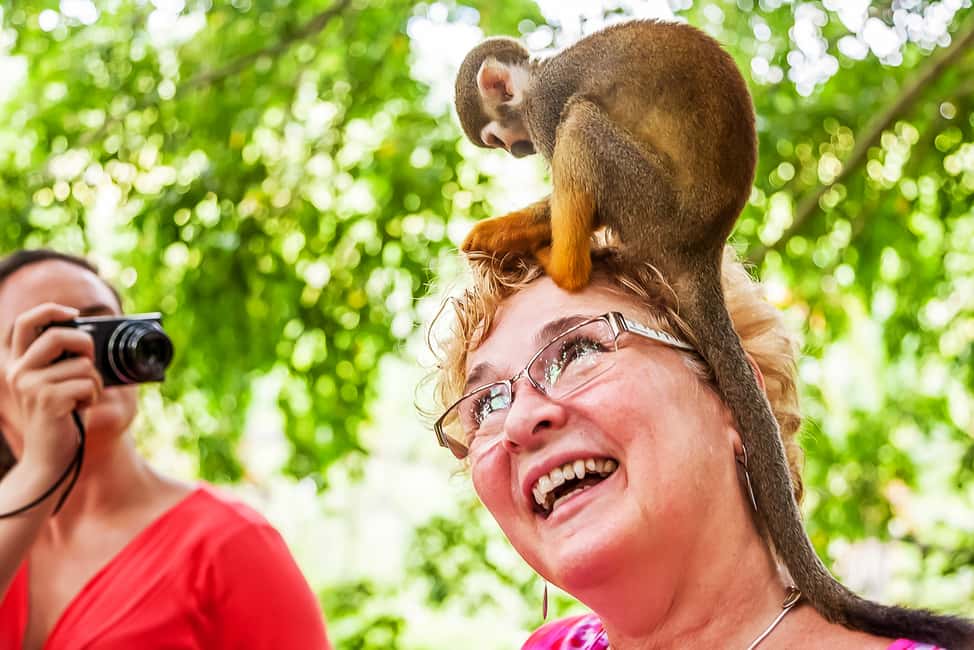
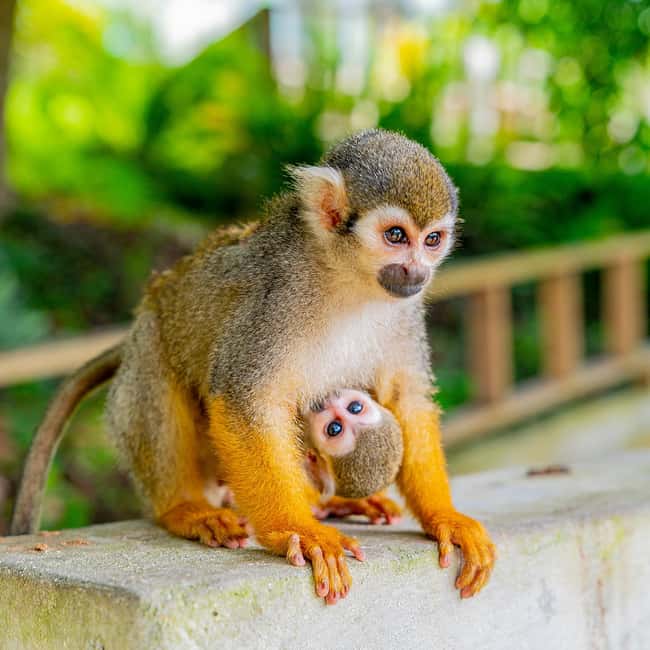
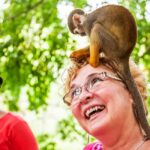
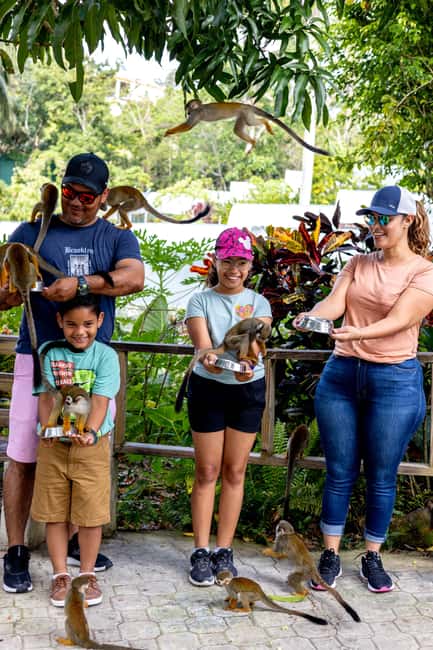
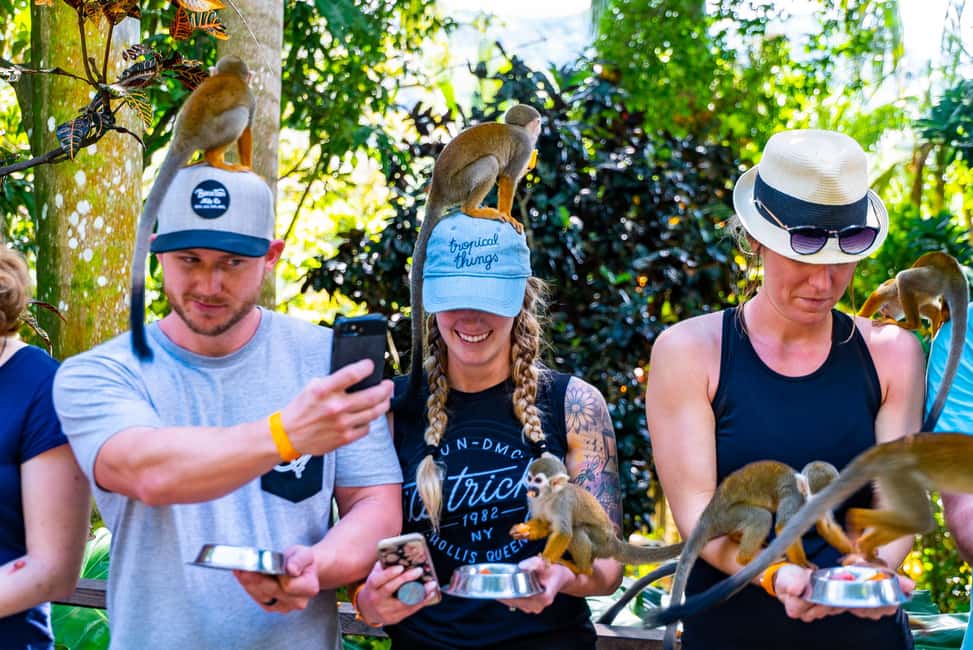
Monkeyland is where the whole tour earns its keep. You’ll spend roughly 40–45 minutes in the monkey enclosure area, and this is the part most people remember: squirrel monkeys that come down from the trees to sit near you, eat from your hands, and happily move into camera-friendly positions.
What makes this more than a standard zoo stop is the human-animal training story behind it. The monkeys were trained by a Canadian couple with 35+ years working with animals, including 12 years at the Toronto Zoo teaching monkeys how to interact with humans. The result is a calmer vibe. You’re not dealing with frantic grabbing or fear-based chaos.
From a visitor standpoint, the big wins are:
- Close proximity without constant crowd pressure. The keepers help manage spacing so you can get photos and still follow the staff’s guidance.
- Hand-feeding moments where you feel like part of the scene instead of watching from behind barriers.
You should still treat this as animal time, not a petting zoo. The keepers guide you on how to stand and where to put your hands. You’ll likely notice rules aimed at keeping both sides safe, including restrictions on what you bring in.
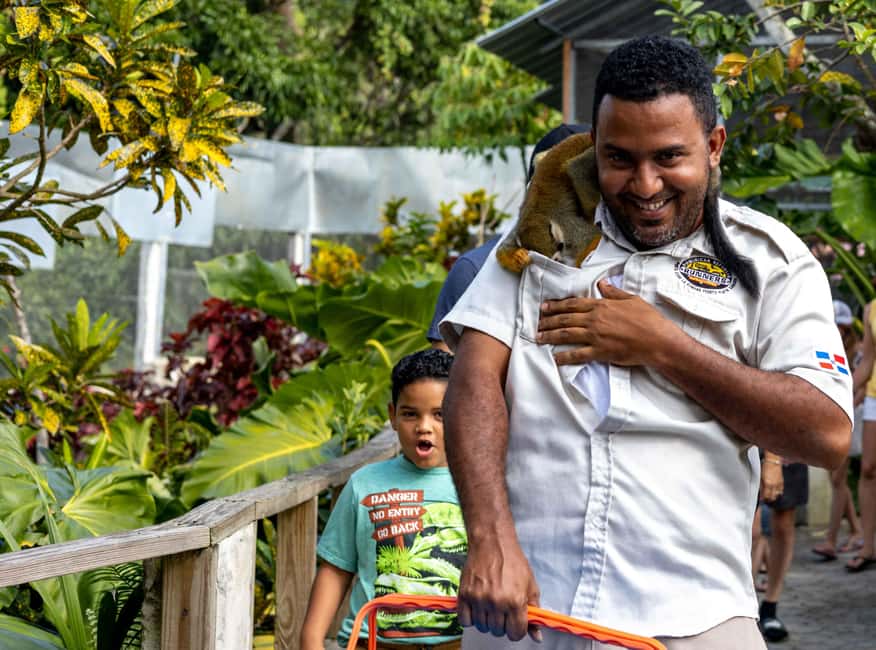
Also, plan your camera moments. The monkeys love selfies and camera attention, but you’ll get the best results if you’re not fighting your way for space. The keepers often help shift people to improve views and keep groups out of direct harsh sun—use their guidance. One practical tip: if you’ve got a hat, don’t be surprised if a monkey decides it’s a great seat. That’s cute, but it can be distracting if you came for perfect hair.
The tour team may also reassure you about health routines for the monkeys (one report noted the monkeys are vaccinated twice a year). Even if you don’t know the details, it’s a good sign that the staff is actively managing animal care.
Casa del Coco: A Typical Dominican House and Coconut Oil Lessons
After the drive, you’ll shift from animals to culture and food production. The tour visits a coconut-focused stop, commonly called Casa del Coco. This part is designed to show how coconut products are made, not just sell a jar on a tray.
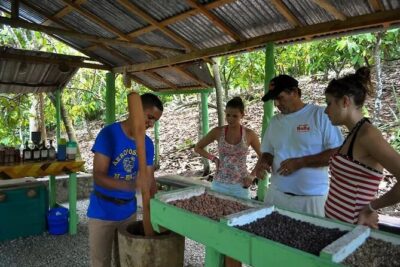
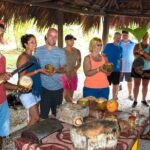
Expect a guided walk-through on how coconut oil is produced, plus tastings of local fruit and coffee/cacao items associated with the plantation process. For many people, this is where the experience turns from fun photos to a meaningful sense of place. Punta Cana visitors often expect beaches and cocktails; Casa del Coco gives you a peek at how Dominican households think about everyday ingredients.
The structure is simple and practical:
- You learn what happens to coconuts through the production steps.
- You taste what comes out of it—this is usually where you realize the flavors are bigger than anything you’ve had in a hotel gift shop.
You also get a chance to ask questions. If your Spanish (or other language) is limited, the guides in this program work in German, Spanish, English, and French, which makes the storytelling easier to follow.
Coffee, Cacao, and Potential Mamajuana Tastings on the Plantation
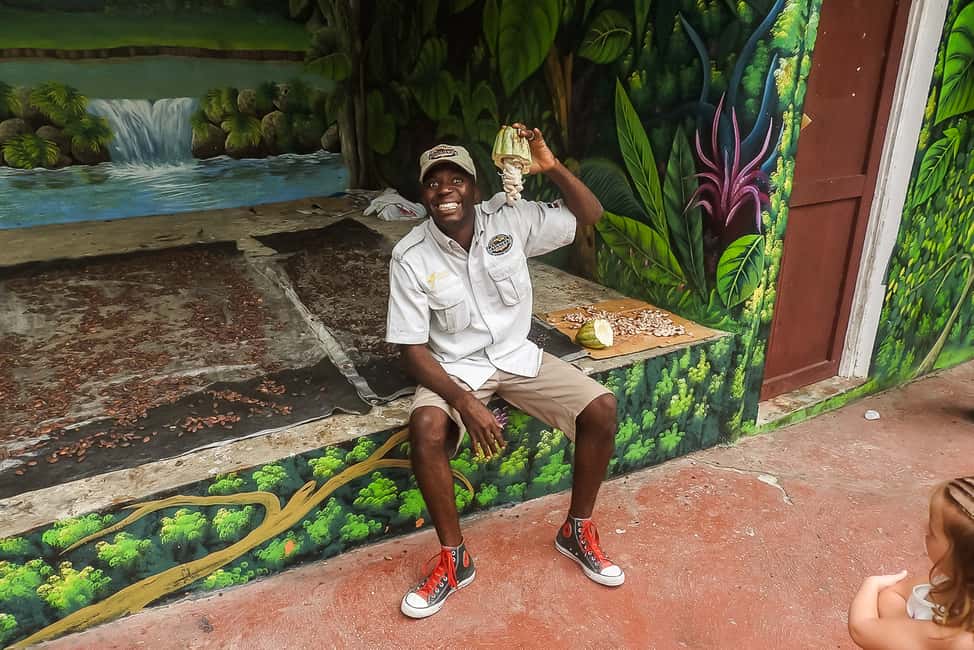
Then comes the plantation portion—short but active. You’ll see how coffee and cacao are handled and processed, and you’ll taste products at different stages. One of the most common highlights is getting cacao that ranges from fresher forms to something closer to hot chocolate style preparation.
The best part for your decision-making: this isn’t purely a viewing tour. The tastings help you connect what you’re learning to what you’re actually eating. If you’re the type who likes souvenirs you’ll use later, this section helps you buy with confidence rather than guessing.
A few tastings you might run into during this stop include:
- roasted coffee
- cacao in multiple forms (including a hot-chocolate-style taste)
- fresh tropical fruits
- and, when offered, tasting related products such as mamajuana
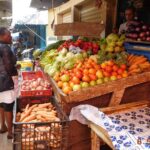
Now, about shopping: the plantation stop is a place where purchases are available. The positive sign in the feedback is that buying isn’t treated like a hard sell. You can taste first, decide if you want to take anything home, and then do the shopping at your pace.
One more practical note: if you want to avoid overpaying, keep your eyes open on packaging sizes. Some people later wished they had grabbed bigger quantities sooner, because once you’re back in the resort zone it’s harder to re-stock at the same price.
Photo Strategy and Souvenir Shopping Without Getting Sold To
Photography is part of the plan here. You can take your own photos during the monkey interaction, and the keepers also take professional-style shots you can purchase later. That’s a smart setup if you’re traveling with teens or family members who want high-quality pics without constant camera fiddling.
In the field, there are usually two choices:
- Take your own video and photos on your phone or camera while the monkeys are active.
- Buy a photo package after, taken by the site photographers.
Several reports peg the optional photo packages around 40 photos for about 40 euro (price varies by package and exchange rate), and at least one person said the professional photos were emailed afterward. Since one person reported missing emailed photos after a few days, it’s worth keeping an eye on your inbox and following up quickly if you don’t receive the link when you expect it.
For souvenirs, bring a bit of extra cash. The tour is built around coconut/coffee/cacao products, and you’ll see items like coffee, cacao derivatives, and other plantation-related goods. The good news is that purchases seem reasonably priced compared with resort shop markups, at least based on multiple experiences shared.
You can also read our reviews of more tours and experiences in Punta Cana
Safety Rules You Actually Need to Know (Sunblock, Bags, and Medical Limits)
This tour comes with real restrictions, and you should take them seriously.
First, the not-suitable list:
- not available for pregnant women
- not permitted for people with heart conditions
- not permitted for people with epilepsy
- not permitted for guests with upper respiratory infections
- not suitable for people with mobility problems, including wheelchair users
If any of those apply, don’t force it. It’s not just a rule on paper—it affects how the tour can be operated safely.
Second, the “please do not” rules that matter on the monkey side:
- Do not wear sunscreen or insect repellent before the monkey interaction.
Some staff explanations in the field tie it to safety for the monkeys. Either way, follow the request. If you need sun protection, plan it after your monkey session or use strategies that don’t involve applying chemicals right before you’re in close contact.
Third, plan for what you can carry. Bags typically don’t go into the enclosure area with you. The tour notes that there are lockers available for rent. One practical detail from the ground: a shop padlock may be required (reported as around $5), so either bring a small lock or be prepared to rent one.
Also, wear clothes you won’t mind for photos. Monkeys are curious. Fruits and coffee are part of the tasting process. You’re outdoors for a while. Simple, comfortable clothing beats your “nice outfit” every time.
Price and Timing: Is $95 a Good Value for This Half-Day?
At $95 per person for a 5-hour tour that includes hotel pickup/drop-off and entrance to Monkeyland plus water, the value is strongest if you want two things together: animal interaction and local food production learning.
If you only wanted a monkey photo stop, you might find cheaper options. But the price makes more sense because you get:
- transport to and from your hotel area
- dedicated guides for both animal and plantation segments
- multiple tastings tied to local production (coconut, coffee, cacao, and possibly mamajuana)
- a set amount of time in the enclosure for real interaction
Timing is the other value factor. People mention the drive can take about 50–90 minutes each way depending on pickup and where you’re staying. Since the whole day is only about 5 hours, that drive time is part of your “cost.” If you’re prone to motion sickness or you really want to maximize on-site time, pick the departure slot that fits your energy best—morning for some is calmer, afternoon for others feels less early-morning stress.
Finally, this tour has a high satisfaction score: 4.6 out of 5 across 1,205 reviews. That doesn’t mean every moment is perfect, but it suggests the format consistently lands well.
Who Should Book This Punta Cana Safari and Plantation Tour?
I think this tour fits best if:
- you want hand-feeding, shoulder-close interaction with squirrel monkeys
- you’re curious about how coconut, coffee, and cacao are actually produced and not just bought
- you like guided explanations, even if your main goal is photos
- you enjoy food tastings and don’t mind that some products are available to buy
It’s also a good family option as long as everyone meets the health and mobility limits. Several family groups reported great experiences, including kids enjoying the learning and the animal time.
What I’d avoid if you’re not a fit:
- if you can’t follow the “no sunscreen/insect repellent” rule around the monkey interaction
- if you’re dealing with respiratory illness or have a listed health condition
- if you hate outdoor riding and you’re stuck on “resort comfort only”
Should You Book Monkey Land Half-Day Safari and Plantation?
If your ideal Punta Cana day includes real animal interaction plus a tasting-focused Dominican production lesson, this is a strong booking. The tour’s structure makes sense: you get the monkey highlight (where time matters) and then you finish with Casa del Coco and coffee/cacao education so the day feels like more than a photo session.
Before you book, do three quick checks:
- Confirm the tour is safe for your situation (pregnancy, heart conditions, epilepsy, respiratory issues, mobility limits are deal-breakers here).
- Plan your clothing so you’re ready for outdoor conditions and you can skip sunscreen/bug spray right before the enclosure.
- Decide in advance how you’ll handle photos: take your own for free moments, then consider the optional professional package only if you want the convenience.
Book it when you want hands-on culture in the middle of a resort vacation. Skip it if your priority is quiet, fully cushioned comfort.